

This guide defines what it means to save money for real life: keep more cash each month, cut high-cost habits, and build usable savings. Over half of Americans expect prices to rise in 2026, so a clear, realistic plan helps maintain progress.
We start with goals and cash flow, then walk step-by-step: budgeting, automation, better accounts, emergency funds, debt moves, big-bill cuts, daily spending rules, and ways to handle windfalls. This order matches common U.S. challenges like uneven pay and rising costs.
The fastest way to improve results is to pair a clear plan with automation and one or two big-bill reductions. Pick one action for this month and one for the year so progress feels doable and measurable.
For extra guidance and resources, visit this practical hub.
Key Takeaways
- Define a realistic goal and track cash flow first.
- Start with small wins to build momentum.
- Automate and cut one big bill for fast impact.
- Follow the step-by-step structure in the guide.
- Choose one action this month and one this year.
Set clear savings goals and track your cash flow
Start with a simple target this month, then layer on a larger year-long objective to build momentum. Short-term wins make long-term progress realistic and keep you motivated.

Choose a realistic savings goal: try $20 per week for six months instead of one intimidating total. That monthly rhythm is easier to keep and adds up over a year.
Calculate cash flow by subtracting your expenses from your income. This simple math is the foundation of any working budget and shows how much you can direct toward priorities.
- Tracking options: a paper notebook, your bank’s built-in tools, or budgeting apps—pick what you will use.
- Set categories (groceries, restaurants, utilities, subscriptions) and review totals monthly to spot leaks.
- Prioritize multiple goals: start an emergency fund, keep retirement savings (especially employer match), and plan for big purchases.
Use separate buckets or sub-accounts so funds for each goal do not blend. For example, split $60 a month into $30 emergency, $20 retirement, and $10 toward a planned purchase to build consistency over time.
Build a budget that works with your income and expenses
Make a budget that works like a map for your cash, guiding choices without feeling like punishment. A good budget is a supportive plan for where your money goes, not a list of bans.

Try the 50/30/20 approach
The 50/30/20 rule splits take-home pay into clear buckets: 50% necessities, 30% wants, and 20% for savings or extra debt payments above minimums.
This makes savings a habit because that 20% covers both rainy-day cash and faster debt reduction.
Adjust with alternatives
If fixed costs are high, use 60/30/10. That gives more to essentials and keeps a smaller, steady savings share.
You can tweak categories instead of abandoning the plan—shift a bit from wants to essentials when needed.
Use the envelope system
Try a cash envelope for categories like dining or fun. Set a limit, spend from the envelope, and stop when it’s empty. This physical step helps curb impulse buys.
Spot patterns and stay realistic
Quick method: categorize purchases weekly, then review monthly totals. Look for repeating charges that quietly drain cash.
Don’t go overboard cutting every fun thing—budgets work best when they are realistic and allow some treats. Budgeting is one reliable way save consistently because it turns intention into numbers.
| Method | When to use | Primary benefit | Example split |
|---|---|---|---|
| 50/30/20 | Average fixed costs | Balanced saving & spending | 50% needs / 30% wants / 20% savings |
| 60/30/10 | High rent or bills | More room for essentials | 60% needs / 30% wants / 10% savings |
| Envelope system | Impulse control | Stronger spending limits | Cash per category until empty |
| Weekly tracking | Pattern spotting | Find hidden drains | Categorize purchases; review monthly |
Automate saving with direct deposit and recurring transfers
Use direct deposit and scheduled transfers so a portion of each paycheck moves out of reach right away. Automation is the easiest and most effective way to build savings over time.

Pay yourself first: treat a transfer like a bill. Schedule it the day you are paid so funds hit a savings account before discretionary spending starts.
Split your paycheck for consistency
Ask your employer to set up a split direct deposit so part of your paycheck goes straight to a savings account and part to checking. That keeps funds out of sight and out of mind.
Recurring transfers that match your pay schedule
Choose weekly transfers if your income varies, or monthly if you have a steady paycheck. For variable income, automate a smaller weekly transfer and top up when you can.
Example: depositing $25 per paycheck builds real savings each month without pain. Automation pairs well with goal tracking, so you focus on progress instead of daily choices.
| Action | When to use | Benefit | Example |
|---|---|---|---|
| Split direct deposit | Every payroll | Out of sight savings | $25 per paycheck to savings account |
| Weekly transfers | Variable income | Steady habit | Small weekly deposits after payday |
| Monthly transfer | Regular paycheck | Simpler tracking | One transfer on payday each month |
| Auto top-up | After variable months | Flexible growth | Add extra when cash allows |
For practical tips on fast-start techniques and mindset tools, see instant money manifestation.
Choose the right savings account to earn more interest
Picking the right account can boost what your deposits earn without extra effort.

Use a high-yield savings account to grow deposits faster
High-yield savings accounts offer above-average interest rates compared with traditional accounts. That higher interest compounds over time and helps your balance grow faster with the same deposits.
Keep emergency cash liquid
Emergency funds should live in a place you can access quickly. Good options include checking, a regular savings account, or a money market account or fund.
Avoid locking emergency cash in investments that limit withdrawals or charge penalties.
- Checklist for choosing an account: competitive interest rate, no or low fees, easy transfers, and strong online tools.
- Compare access: checking often has a debit card; savings and money market may limit transfers but usually allow quick withdrawals.
- Keep emergency cash separate from other savings to prevent accidental spending.
| Option | Typical interest | Access speed | Common perks |
|---|---|---|---|
| High-yield savings | Higher | Same-day transfers to bank | Higher rate, FDIC insured |
| Checking | Low | Immediate (debit/ATM) | Bill pay, debit card |
| Money market | Moderate | Quick, sometimes limited transfers | Check access, higher limits |
Rates change, so review your bank and account options at least once a year to keep earnings competitive.
How to save money by building an emergency fund
A practical emergency fund shields your goals and reduces the need for high-interest credit when surprises hit.
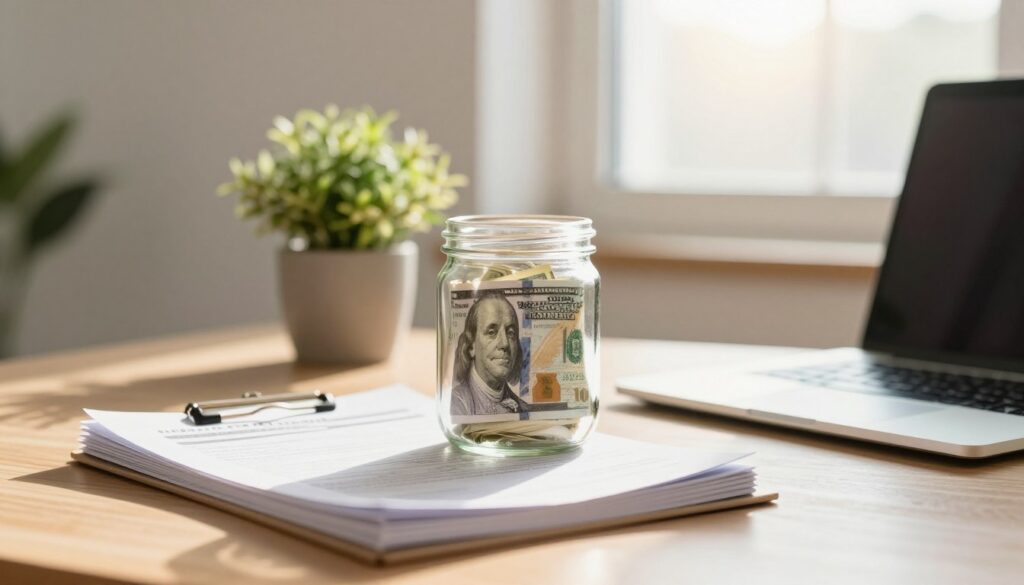
Start with a $500 goal—America Saves calls this the right first step. That target is small enough to reach quickly and gives real breathing room.
- Define an emergency: car repair, urgent medical bill, home fix, or short job loss — not routine purchases.
- After $500, build toward three to six months of expenses using steady, repeatable contributions.
- Replenish the fund promptly after any withdrawal so one event doesn’t become long-term debt.
- Use separate buckets or accounts to keep emergency cash distinct from other savings goals.
Choose the right months target
| Situation | Months target |
|---|---|
| Stable job, single adult | 3 months |
| Variable income or larger household | 6 months |
| Hybrid risk (freelance + benefits) | 4–5 months |
Small, steady steps make a big difference over a year. For extra ideas on directing windfalls to your account, see attracting wealth.
Pay down debt and manage credit cards to cut interest costs
Carrying a high credit balance can quietly drain your monthly budget faster than you realize.
Pay credit cards in full each month whenever you can. With typical card interest near 17% while many savings accounts pay around 1%, carrying a balance costs far more than you earn. Paying in full also preserves rewards without interest eating the benefit.

Reduce high-interest balances while still building savings
Keep a starter emergency fund, then direct extra dollars to the highest-interest debt. This balanced plan protects you from setbacks while cutting long-term interest.
Use auto-pay to avoid late charges
Set up auto-pay for minimums and schedule extra payments when possible. Auto-pay prevents late fees and some lenders offer a small interest rate discount for on-time, automated payments.
Check your credit report and get help when needed
Review free annual credit reports to catch errors that can raise borrowing costs for mortgages, auto loans, or insurance.
If payments feel unmanageable, contact a nonprofit like Consumer Credit Counseling Services (CCCS). Typical sessions run 45–90 minutes and can produce a repayment plan and creditor negotiations at no charge.
- Quick tip: review statements and due dates weekly so bills clear on time and your credit stays strong.
Reduce your biggest monthly bills for faster savings
Big recurring bills usually offer the largest opportunities to improve your cash flow. Target housing, insurance, utilities, and connectivity first for the biggest, sustainable wins.

Lower housing costs with mortgage refinance when it makes sense
Refinancing a mortgage can cut hundreds per month if rates drop. Check fees and a clear break-even time before you act.
Example: dropping a 15-year, $100,000 loan from 7% to 6.5% can reduce total interest by roughly $5,000 over the life of the loan.
Shop and compare insurance for home and auto
Don’t let policies auto-renew by default. Compare homeowners and auto insurance annually to find better coverage or discounts.
Cut utility costs with an energy audit and weatherproofing
Request a free or low-cost home energy audit. Seal drafts, add caulk or weatherstripping, and use smart thermostat habits to reduce heating and cooling bills.
Negotiate or downgrade internet, cable, and phone plans
Review your plan, drop unused features, or call retention to ask for lower pricing. Even a $40 monthly downgrade adds up over time.
- Focus on the largest bills first — you’ll see faster progress.
- Immediately funnel the monthly difference into savings so lifestyle creep doesn’t erase the gain.
Cut everyday spending without sacrificing your quality of life
Small changes to routine spending add up fast and keep daily life enjoyable.

Grocery strategy that works: check your pantry first, plan a few meals, and write a short list before you shop. Use store loyalty programs to stop buying duplicates and lean on weekly specials for reasonable swaps.
Make restaurant habits gentler on your budget
Try eating out one fewer time per month as a start.
Order water, skip appetizers or dessert, and avoid delivery fees by picking up orders when possible.
Lower home costs without feeling deprived
Buy essentials in bulk only when unit pricing shows a real benefit.
Swap paper towels for washable cloths and streamline cleaning supplies to cut recurring buys.
Enjoy free local entertainment
Your public library often offers e-books, audiobooks, streaming access, classes, and even tool lending.
Check community calendars, Facebook events, or Eventbrite for no-cost activities that keep weekends full.
Plan gifts to protect your budget
Create a simple calendar for birthdays and holidays, set family spending limits, and choose low-cost ideas like home-baked treats, handmade art, or shared experiences.
Tip: redirect what you keep each month into visible cash goals so progress feels real. Even a small transfer to a dedicated account builds momentum and reduces stress without cutting joy.
| Area | Small change | Immediate benefit |
|---|---|---|
| Groceries | Pantry check + list + loyalty | Fewer duplicates; lower grocery costs |
| Dining out | One less meal out/month; order water | Lower restaurant bills; fewer fees |
| Home supplies | Bulk buys when cheaper; reusable cloths | Reduced recurring purchases |
| Entertainment | Library + free events | Low-cost leisure and resources |
For practical tools and more ways to grow your savings, visit this resource.
Stop impulse buys with simple rules and smarter shopping tools
A small pause before checkout protects your budget and reduces buyer’s remorse. Impulse spending can quietly break a plan by adding many small purchases that add up over weeks and months. A cooling-off routine shields your goals without relying on constant willpower.

Use short and long cooling-off rules
The 24-hour rule handles small temptations: wait one day before you hit purchase. If you still want it, decide then. For larger buys, try the 30-day rule: delay for a month and track how often you still want the item.
Tip: each time you delay, move the would-have-spent amount into a savings account. That builds balance and reduces regret.
Make online spending harder
Create friction so buying is deliberate. Remove saved billing and card details, log out of retail sites, and delete shopping apps so each purchase takes extra effort. Unsubscribe from marketing emails and texts to cut temptation from promos and timed offers.
Confirm deals with price tracking and coupon tools
Check price history with tools like Camelizer (Camelcamelcamel) to confirm a discount is real. Use coupon and cash-back extensions such as PayPal Honey to apply codes automatically.
Warning: these tools help only if you buy things you already planned. Relying on extensions can legitimize impulse purchases unless you stick to your rules.
- Why this works: delays reduce impulsive urges within days, letting rational choices win.
- Practical habit: funnel delayed-purchase amounts into savings or use side gig ideas to boost funds for planned purchases.
Use windfalls, side income, and community resources to boost savings
Unexpected funds and extra work can accelerate progress when you direct them with purpose. A simple rule and a few reliable options turn windfalls and side income into lasting gains instead of quick upgrades.
Windfall rule: when a bonus, tax refund, or raise arrives, send a preset percentage to your savings account before spending. Try a 50/50 split for balance or 70/30 if debt repayment is a priority. That habit protects longer-term goals and keeps lifestyle creep in check.

Round-up and cash-back apps
Round-up apps move spare change into an investment or savings account automatically. Cash-back tools return a small percentage of purchases.
“These apps help only if you pay credit card balances in full,” a core safety rule to avoid interest costs.
Rule: use these apps only when you avoid carrying a credit balance. Otherwise rewards are erased by interest.
Side income and practical boosts
Even modest side earnings speed up progress. Direct extra paychecks to the bank account you use for emergency funds or to cut debt. This focused use of side income delivers measurable change faster than trimming small daily expenses alone.
If funds are tight
Dial 2-1-1 or visit 211.org to find local assistance for housing, food, healthcare, and crisis support. Call lenders and service providers to ask about hardship options, deferred payments, or rebates before accounts fall behind.
| Source | Action | Primary benefit |
|---|---|---|
| Bonus / refund / raise | Deposit preset % to savings account | Protects long-term goals; reduces impulse upgrades |
| Round-up / cash-back apps | Auto-transfer spare change to account | Passive growth if no credit balance |
| Side income | Direct earnings to savings or debt | Speeds payoff and builds reserves |
| 211 / provider calls | Seek assistance or payment plans | Immediate relief and lower costs |
Consistency wins: combine windfall rules, side income, and community options to amplify progress. Small, repeatable steps often produce faster results than cutting daily treats.
For practical side-hustle ideas to boost your account, see side-hustle.
Conclusion
A clear ending checklist helps turn all the tips in this guide into a simple, lasting habit. Track cash flow, build a workable budget, automate transfers, choose a high-yield account, and protect progress with an emergency fund. These steps make it easier to save money and reach realistic goals.
Paying down high-interest debt and cutting large monthly bills often frees the most cash fast. Keep retirement and retirement savings in view, and use employer matches when available.
Do one thing today: set a recurring transfer or split direct deposit. Do one thing this week: review expenses or negotiate a bill. Revisit your plan each month as income or expenses change so it stays realistic over time.
For tools and ongoing guidance, check resources for success. A solid plan creates fewer surprises, more flexibility, and better progress toward long-term goals this year.
FAQ
How do I set a realistic savings goal for this month and year?
What’s the easiest way to track expenses?
How does the 50/30/20 budget work?
Can the envelope system help with cards and bills?
What does “pay yourself first” mean?
How often should I schedule automatic transfers?
Which account type earns the best interest while staying accessible?
How large should my emergency fund be to feel secure?
What’s the best approach to handle credit cards while building savings?
When should I refinance a mortgage to lower costs?
How can I lower insurance and utility bills without sacrificing coverage?
What are simple ways to cut grocery and dining costs?
How do I stop impulse buys without losing convenience?
How should I use bonuses, tax refunds, or side income?
Are round-up and cash-back apps worth using?
Where can I find help if I’m struggling to keep up with bills?


