

Curious what a day looks like for someone who chooses life on the move? This introduction walks you through a real-world snapshot of a digital nomad who balances work remotely with travel and personal freedom.
Many people today trade a fixed office for cafés, co‑working spaces, RVs, or short‑term rentals. In 2024, 18.1 million Americans called this lifestyle home, often working as programmers, designers, or content creators.
Expect honest scenes: morning rituals, picking a reliable workspace, carving deep work blocks, then stepping out to explore a new city. We’ll show café work sessions, beachside lunches, and weekend trips tied to a responsible schedule.
You’ll also see the tradeoffs — time zones, boundaries, and occasional loneliness — and learn practical coping strategies. Along the way, we’ll highlight tools, vetted city guides, community platforms, and visa pathways that make location independence sustainable.
Stick around: this section previews real examples and facts, and the article ends with a clear getting‑started plan so you can map your own path.
Key Takeaways
- Modern digital nomads mix remote work with travel and simple living.
- There are over 18 million Americans in this lifestyle as of 2024.
- Common roles include programmers, designers, developers, and creators.
- Daily routines blend focused work blocks with time to explore.
- Support systems—community platforms and city guides—aid long‑term success.
- Challenges exist, but practical strategies help manage time zones and isolation.
A day in the life: a friendly, real-world look at the digital nomad lifestyle
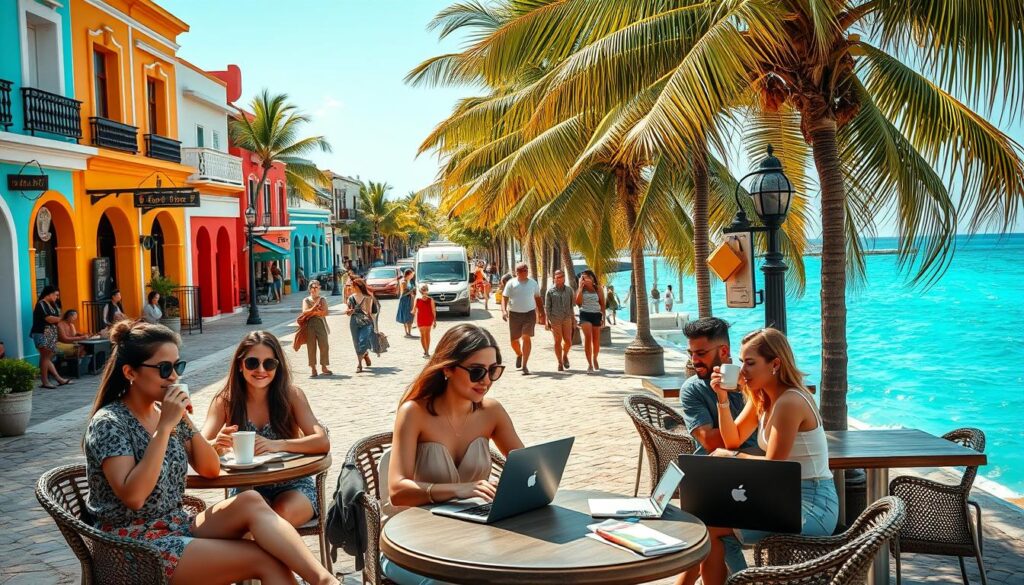
Brittany’s typical Playa del Carmen day mixes steady work with seaside breaks and small‑town rhythms.
She wakes early, stretches or does a short yoga flow, and writes a quick plan for the day.
Morning hours often happen on a shaded balcony or at cafés like Mi Dogo and Choux Choux, where focused sprints tackle deadlines. Then comes lunch by the beach or a walk down 5th Avenue to sample local flavors.
Afternoons are reserved for deep work blocks. Brittany uses timers and single‑task routines so progress stays steady while she’s on the move. A late‑day gym session or another yoga class around 5 pm acts as a hard boundary to prevent burnout.
“Design your hours to match energy, not to chase a perpetual vacation.”
Evenings are for connecting with place — wandering side streets, returning to a favorite spot, or simply unplugging. Weekends bring cenotes, beach clubs, Tulum ruins, Chichen Itza, and trips to Valladolid.
For many people living this lifestyle, the key is balance: treat responsibilities seriously and leave time to explore the location and culture. Similar routines appear in cities around world, proving that thoughtful planning helps life and travel fit together well.
What is a digital nomad today? Definitions, jobs, and who’s doing it
Working while moving from place to place has become a mainstream way to earn a living for many professionals. A digital nomad is someone who does paid work online while changing locations. They often travel light and rely on Wi‑Fi, hotspots, cafés, co‑working spaces, libraries, hotels, or RVs.

Popular roles
Most nomads hold roles that adapt well to remote workflows. Common jobs include programmers, designers, developers, and content creators.
Why these roles work: they need only a laptop, reliable internet, and collaboration tools. That setup keeps the team productive across time zones.
Styles of the lifestyle
People adopt different rhythms. Some are perpetual travelers who change countries often.
Others prefer slowmad stays, lingering for months to learn a place. Many people try part‑time nomad life, alternating a home base with travel.
By the numbers
In the U.S., 17.3 million remote travelers were counted in 2023, rising to 18.1 million in 2024. That jump reflects a 131% rise since 2019 and steady momentum into the present years.
“Years of mobile tools and collaboration platforms have made living digital careers far more accessible.”
Demographics vary: adults across ages and backgrounds do this work, depending on skills and risk tolerance. The rest of this article shows daily routines, tools, and community supports that help make the lifestyle sustainable.
Morning routine on the road: structure that fuels freedom
A calm, repeatable start helps you protect time and energy when your place changes often.
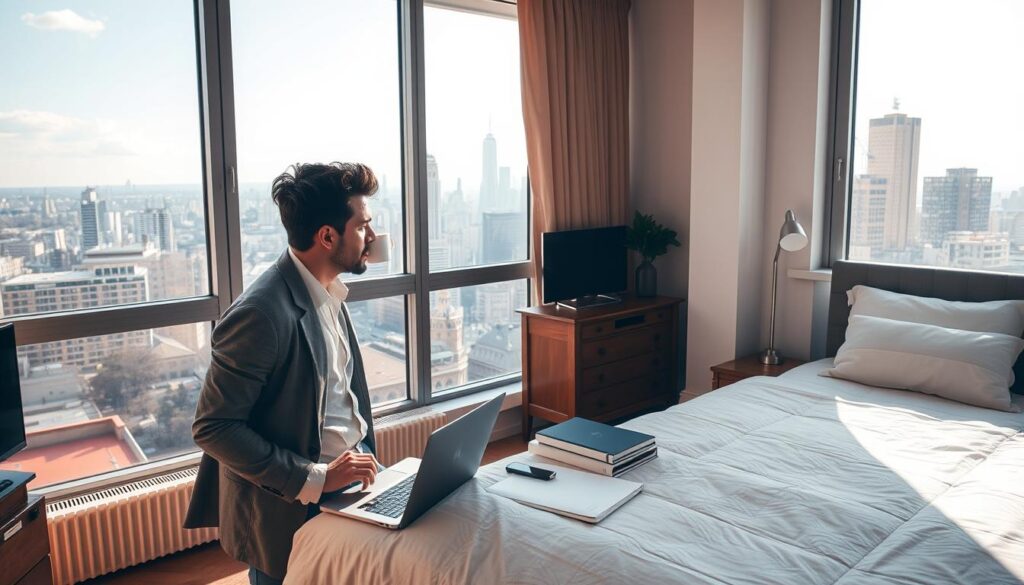
Wake, stretch, plan. Brittany sets her alarm for 6:50 am, makes the bed, and spends 15 minutes stretching or doing yoga while coffee brews.
She uses breakfast to map the day: a short to‑do list, one quick email scan, and a plan for the first work block. Work usually begins around 9 am from a sunny balcony.
Simple habits that steady a moving life
- Set an alarm and make the bed to signal a fresh start.
- Stretch neck, shoulders, and hips for ergonomic relief before long laptop hours.
- Keep mornings distraction‑light: scan messages, then batch replies later.
- Schedule the first block for high‑focus tasks so progress is reliable.
“Small consistent habits beat perfect routines when you’re on the move.”
Why this matters: mobility demands intention. A short ritual creates stability for your work, preserves energy for exploration, and gives you more freedom to enjoy the rest of the day.
Choosing your workspace: balcony, café, co-working, or library
Picking the right spot to work can make or break a productive day on the road.
Where you set up affects noise, power access, and internet stability. Below are quick comparisons and a checklist to help you decide fast.
Connectivity essentials: Wi‑Fi, hotspots, and backup plans
Connectivity checklist:
- Test venue Wi‑Fi speed before important meetings.
- Carry a mobile hotspot with ample data and a charged phone.
- Have a fallback: local SIM, hotel ethernet, or an offline plan for brief outages.

Café culture vs. co‑working: productivity trade‑offs
Cafés bring ambient energy and chances to discover new spots. They are great for light tasks and short calls.
Co‑working spaces offer dedicated desks, meeting rooms, and stronger network reliability. They suit team calls and longer deep work sessions.
“Find a balance: rotate spaces to stay inspired, but keep a default spot to reduce decision fatigue.”
| Workplace | Noise | Power & Wi‑Fi | Best for |
|---|---|---|---|
| Balcony | Low (if quiet building) | Depends on outlets; bring strips | Short focused bursts, email |
| Café | Moderate (ambient) | Variable; test speed | Creative work, casual calls |
| Co‑working | Low to moderate | Reliable; meeting rooms | Long deep work, client calls |
| Library | Low (quiet zones) | Good; limited hours | Research, focused writing |
Practical tips: sit near power outlets, test speed before client calls, use a privacy screen, and pack a travel power strip.
Security basics: use a VPN on public Wi‑Fi, keep encrypted backups, and run regular updates on your computer.
Map the area in advance for quiet libraries, late‑hour cafés, and reputable co‑working chains in the city or area you visit. Use productivity sprints and noise‑canceling headphones to protect deep focus.
Midday moments: live, work, and savor local culture
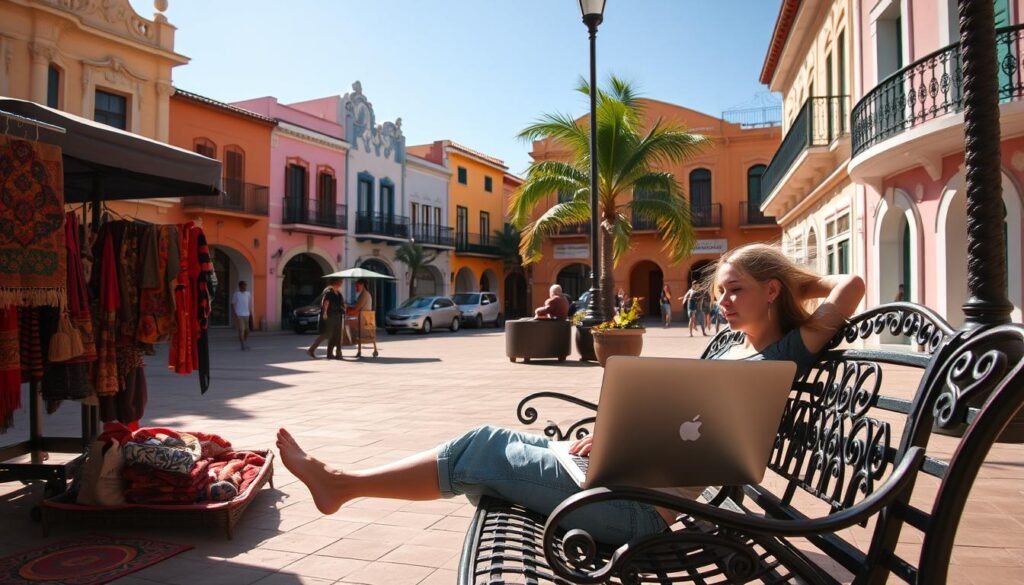
Lunch and short breaks can reset your focus and make the day feel human again. A walk in the sun, a quick taco, or a bench by the sea separates morning tasks from the afternoon and restores concentration.
In Playa del Carmen many people grab a beachside lunch, stroll bustling 5th Avenue, or find a favorite taco spot. These choices let you live work rhythms that keep momentum without rushing your meal or calls.
Schedule client calls before or after your main lunch window. That small change prevents missed connections and makes meal time truly a break.
- Take a ten-minute walk for sunlight and better posture.
- Choose light meals and hydrate to sustain energy for afternoon focus.
- Capture quick notes about standout cafés and streets for your personal city guide.
“Short rituals — a phrase in the local language, a page of reading, or a friendly chat — help a place feel like home.”
These mid‑day routines protect your time and boost productivity. Weave work into the day, not over it, and your lifestyle will feel balanced and more rewarding.
To learn how creators shape routines that support travel and income, see what is a content creator.
Afternoons are for deep work: focus, sprints, and staying on task
The afternoon is prime time for concentrated effort, when ideas turn into deliverables.
Brittany spends these hours at Nomads Embassy creating content, strategizing, and collaborating. She uses structured sprints to move priority projects forward before the evening routine.
How to design a sprint:
- Set a single priority and aim for 90–120 minutes of focused work with minimal notifications.
- Use calendar interlocks and do‑not‑disturb mode so meetings can’t interrupt flow.
- Batch similar tasks to preserve cognitive energy and speed execution.
Block your afternoon for strategic projects or deliverables that need extended focus. Track output over weeks to spot peak hours and plan tougher tasks when you’re sharpest.
Protect your calendar by grouping calls on designated days and use lightweight tools like Trello or Notion to keep tasks aligned while you travel.
Recover between sprints: stand, hydrate, and take short screen breaks to stay productive through the day.
“Consistent afternoon focus is why many nomad professionals sustain results year after year.”

For quick creative boosts, try creative prompts during short prep windows.
Community matters: platforms and city guides that support nomads
A good network can turn a one-week trial into a months-long stay that feels like home. Strong ties speed planning, lower risk, and make new places livable fast.
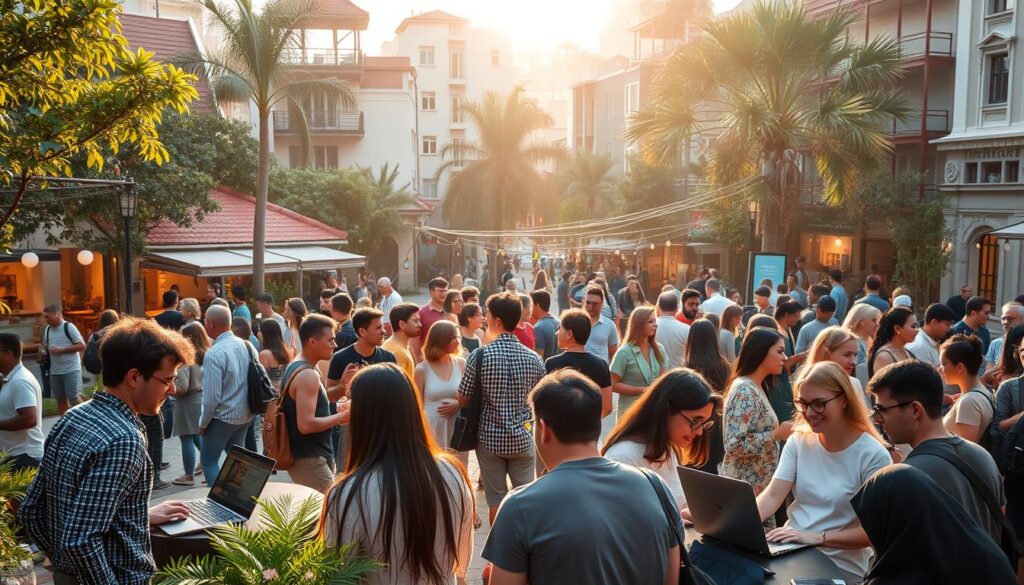
Digital Nomad World is a go-to platform where nomads find city guides, remote job leads, and member-only discounts on co‑living, co‑working, and travel insurance.
Expert advisors and real-world value
Ask nuanced questions: advisors there help with visas, taxes, or choosing the right country and city for your work and life.
Find your people
- Attend meetups, co‑working events, language exchanges, and hobby clubs.
- Partner on projects, swap local intel, or form accountability groups.
- Use researched guides to pick neighborhoods, SIM options, and safe lodging.
“Community channels cut decision fatigue and prevent common mistakes when moving between countries.”
Scale and authenticity: the community counts 45,134 members and was founded by Amichai Ben David and Yair Sterman, with Becca Marsh as community manager. That blend of scale and hands‑on leadership helps people connect quickly and stay rooted while they travel.
Benefits of the lifestyle: freedom, lower costs, and productivity gains
Choosing a life that blends work with travel reshapes priorities and daily choices. Many people find clear, practical advantages when they move and work from new places.
Why people become nomads
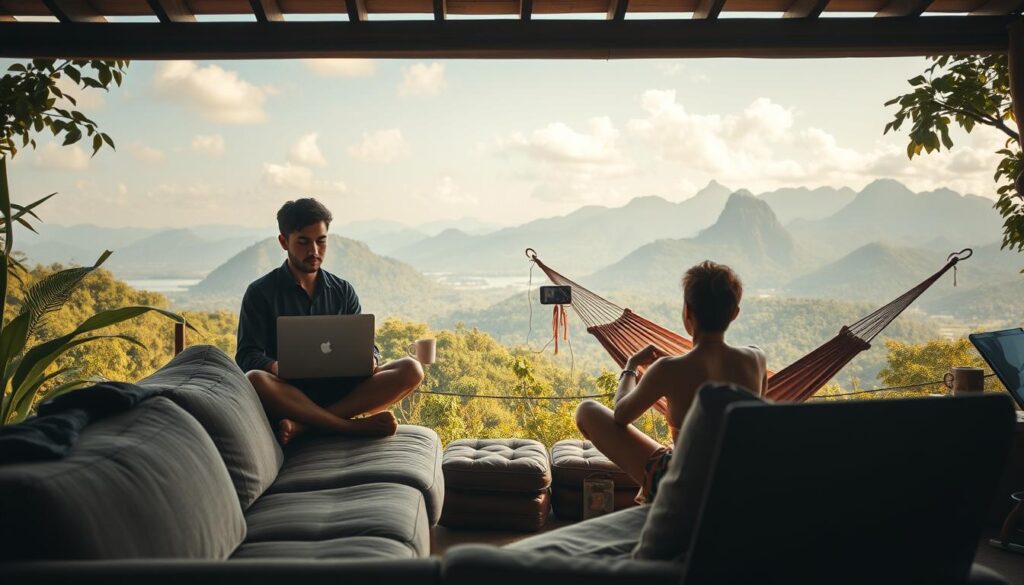
Motivations include travel, location independence, and lower living costs. A 2021 study found a 4.4% productivity boost for workers allowed to work from anywhere. That gain often comes from fewer commutes and better schedule control.
Local impact and broader gains
Workers who move typically spend more than 35% of income locally. That spending supports housing, food, transport, and services, so hosts in many countries see a direct lift.
| Benefit | How it helps | Who gains | Example |
|---|---|---|---|
| Freedom | Choose where and when you work | Freelancers, founders | Pick a low-cost coastal town for a season |
| Lower costs | Extend financial runway | Early-stage founders | Reduced rent and services |
| Productivity | Better focus and schedule control | Knowledge workers | 4.4% productivity increase (2021 study) |
| Local economy | Boosts service sectors | Host communities | 35%+ local spending |
Exposure to new cultures broadens perspective and creativity. These benefits are available around the world, but they work best with planning and good habits. Practical routines from earlier sections help unlock the upside without losing performance.
Challenges on the move: loneliness, burnout, and boundaries
Life on the move brings big rewards, but it also creates real social and logistical challenges.
Loneliness is the most cited struggle. Face-to-face friendships matter for mental health. Join local meetups, co‑working events, or short courses to meet people fast.
Burnout follows when travel and work stack up. Schedule regular rest days and plan sustainable pacing across years instead of sprinting every week.
Time zone gaps and spotty connections can break routines. Use shared core hours, async workflows, and calendar buffers when working with teams across countries.
Money ups and downs are common. Build an emergency fund, balance steady retainer clients with project work, and track cash flow across slow days.
Clear boundaries keep work from overtaking leisure. Set stop times, claim a dedicated workspace, and practice device hygiene to protect evenings.
Also attend to logistics: global health insurance, local tax rules, and valid work paths matter. Seek professional advice for visas and obligations before long stays.
“Take mental health as seriously as deliverables — strong routines and real connections make this lifestyle sustainable.”

Mental health and building quality, face-to-face relationships
- Make one local plan per week: coffee, language class, or a hobby group.
- Keep contact rituals with close friends back home to reduce isolation.
- Book occasional longer stays to deepen local ties and reduce churn.
Time zones, inconsistent income, and separating work from leisure
| Issue | Quick fix | When to use | Benefit |
|---|---|---|---|
| Loneliness | Weekly meetups or co‑living | First 1–2 weeks in a new city | Faster social integration |
| Burnout | Planned rest days, shorter sprints | Every 7–14 days | Better stamina over years |
| Time zones | Core hours + async docs | Global teams, cross‑country clients | Fewer missed calls, calmer days |
| Income swings | Emergency fund + retainer mix | Variable months | Improved cash stability |
For practical tips on staying focused and upbeat while remote, see the guide to stay motivated while working from home.
digital nomad
A mobile professional balances client deadlines with exploration, putting work first and travel second.
Being a digital nomad means you earn reliably from anywhere, using mobile internet and light packing. This identity puts paid tasks before sightseeing. It anchors the lifestyle in consistent output and good habits.
This is not a permanent vacation. Treat days like office days: set hours, protect focus, and plan rest. Minimalism helps—carry only what enables productivity and comfort so moves are simple and low stress.
Find your style: slow stays for deep roots, seasonal moves for variety, or short hops to test places. Small routines—wake time, a work sprint, and an evening unwind—make the life enjoyable and sustainable.

- Adaptability: respect locals and learn basics of each place.
- Check-ins: reflect monthly—are goals, finances, and wellbeing aligned?
- Legal note: visas and permits shape where you can stay long term.
“A clear routine keeps curiosity from becoming chaos.”
Ready to map a plan? Start with a short course to structure your path: Your free course.
Visas and legality: from gray areas to clear digital nomad visas
Before you book a long stay, understand how visas shape what you can legally do while abroad.
Tourist status can be a gray area. Many travelers enter on short tourist permits that technically prohibit paid work. Always research local rules before relying on a stay to bill clients.

Tourist visas vs. working legally
Some countries now offer a clear path: a digital nomad visa or nomad visa that lets remote professionals live and work for foreign clients.
- Typical requirements: proof of income, health insurance, background checks, and clean criminal records.
- Processing times and fees vary; plan for delays and gather documents early.
Special programs, taxes, and e‑Residency
Estonia pioneered e‑Residency (2014) and added a nomad visa in 2020 for stays up to one year. These options let you register a business and operate compliantly for set years.
“Choose legal paths that fit your business model to minimize risk as you move between countries.”
Tax rules differ: non‑resident status, treaty benefits, or local filing triggers can apply. Make a checklist for applications and consult an advisor or vetted community resources when rules are unclear.
Spotlight: Spain digital nomad visa and why cities attract remote workers
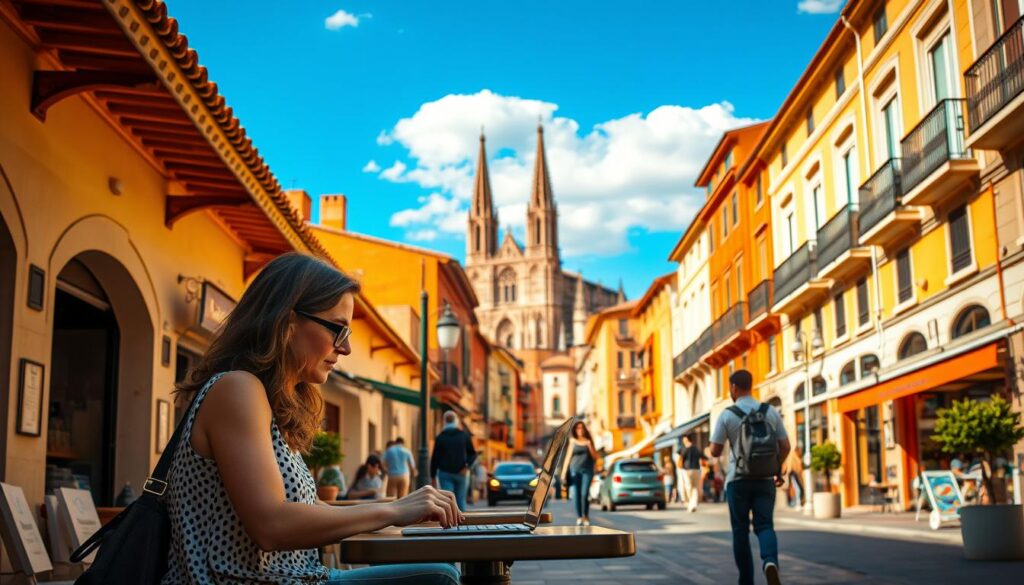
Spain’s Startup Act created a visa route that makes long stays and tax breaks realistic for many remote workers. The initial permit is valid for up to 12 months and can be renewed to allow residence for up to five years. Applicants can also qualify for a reduced tax rate under the new rules, which helps make longer stays financially viable.
Early traction and what it means
In its first ten months, Spain issued 7,368 permits. That early volume signals growing processing capacity and a fast‑forming community—the country now counts about 753,000 people in this lifestyle.
Application checklist and timelines
Prepare proof of steady income, international health insurance, clean background checks, and clear ID documents. Expect variable timelines and plan applications several months ahead.
Why Iberian cities pull remote workers
Iberian cities offer walkable neighborhoods, strong café culture, frequent flights, and dense co‑working options. Barcelona brings cosmopolitan energy and broad services, while Lisbon combines lower cost and a lively startup scene.
“Book longer stays, learn basic language phrases, and scout co‑working spaces before committing to a year.”
Tip: Track evolving visa rules and local application procedures as Spain refines processes. That vigilance prevents surprises and keeps plans on course.
Costa Rica and Portugal: popular paths to live and work remotely
Two popular options—Costa Rica and Portugal—offer clear visa paths and friendly hubs for people who want to live and work abroad.
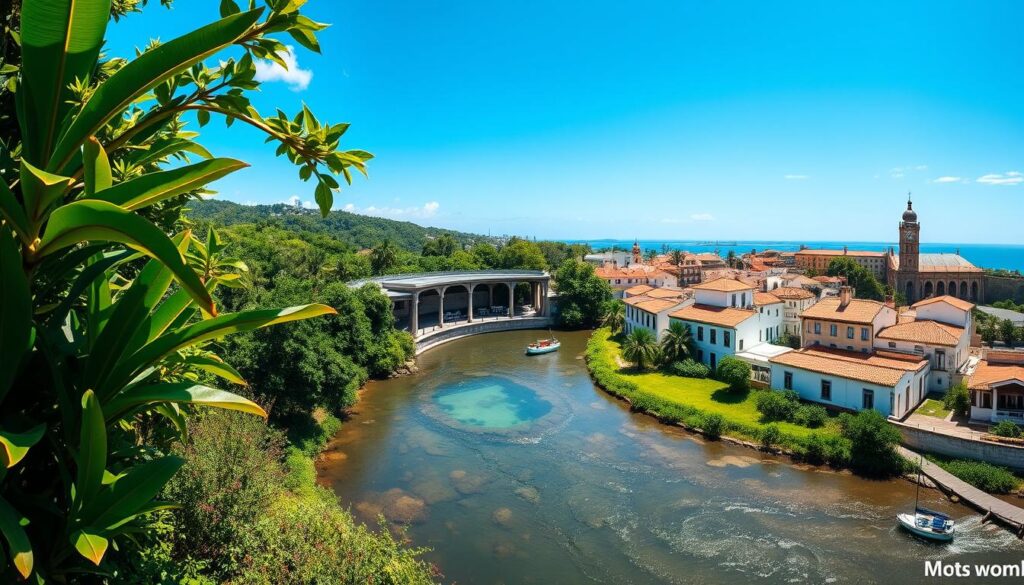
Costa Rica: the law grants a one‑year visa for remote workers, extendable for up to two years. Income requirements are explicit: more than US$3,000/month for individuals and US$5,000/month for families.
Why it appeals: time zone alignment with the Americas, abundant nature, and a broad local service ecosystem make settling simple.
Application checklist
- Recent bank statements showing required income
- International health insurance and a clean criminal record
- Translated documents if requested by authorities
Portugal: hubs and impact
Portugal began accepting Remote Work/digital nomad visa applications in October 2022. Lisbon and Porto have strong communities—Lisbon hosted about 16,000 nomads in 2023—plus walkable cities, dense co‑working, and good flight links.
Processing times and required documents vary by country. Prepare applications early, buffer extra time, and choose neighborhoods near transit and co‑working spaces. Compare taxes, cost of living, and language fit to pick the best place for your needs.
Destination diaries: Playa del Carmen (Del Carmen), cafés, beaches, and balance
A morning cup at a lively café often defines how the rest of the day flows in Del Carmen.
Morning cafés and lunch by the sea: Mi Dogo, Choux Choux, 5th Avenue
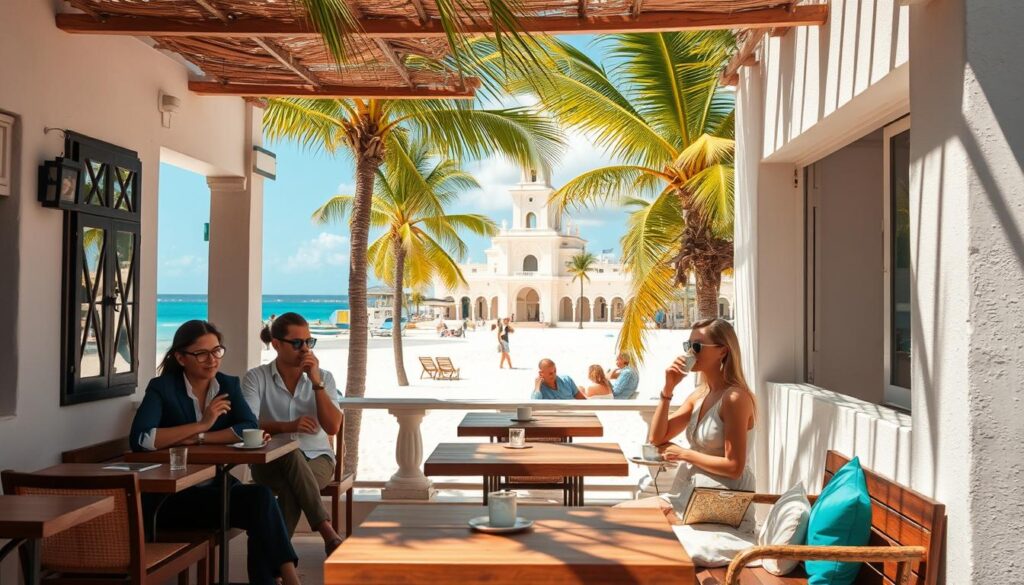
Start at Mi Dogo or Choux Choux for strong Wi‑Fi, good coffee, and a friendly local vibe. These spots work well for early emails and a focused first sprint.
Break for a beachside lunch to reset your mind before the afternoon push. A short walk and fresh air recharge focus without derailing deliverables.
Map a simple walking loop through the city center and along 5th Avenue. Combine errands, steps, and small discoveries in one efficient route.
- Safe call pockets: look for small hotels, quiet side streets, or library corners for client calls.
- Build a micro‑community: chat with baristas and regulars to meet other people who share routines.
- Alternate venues: switch from café to beach to co‑working to keep energy high while staying reliable.
Weekly ritual: catch sunset at a favorite beach bar to mark progress and enjoy a small celebration.
“Respect local customs and support independent businesses — they are what make the area memorable.”
| Spot | Best time | Why it works |
|---|---|---|
| Mi Dogo | Morning | Strong Wi‑Fi, coffee, friendly staff |
| Choux Choux | Morning to midday | Bright space, steady outlets, local crowd |
| 5th Avenue | Afternoon stroll | Lunch options, shops, easy transit |
| Beach bar (sunset) | Evening | Relaxation ritual, social chance |
These small choices help you live work balance better while you travel and enjoy the city lifestyle.
Gear and setup: your mobile office on the road
Good gear turns any temporary spot into a dependable office. Keep your kit light, reliable, and focused on productivity so you can finish tasks and still enjoy the day.
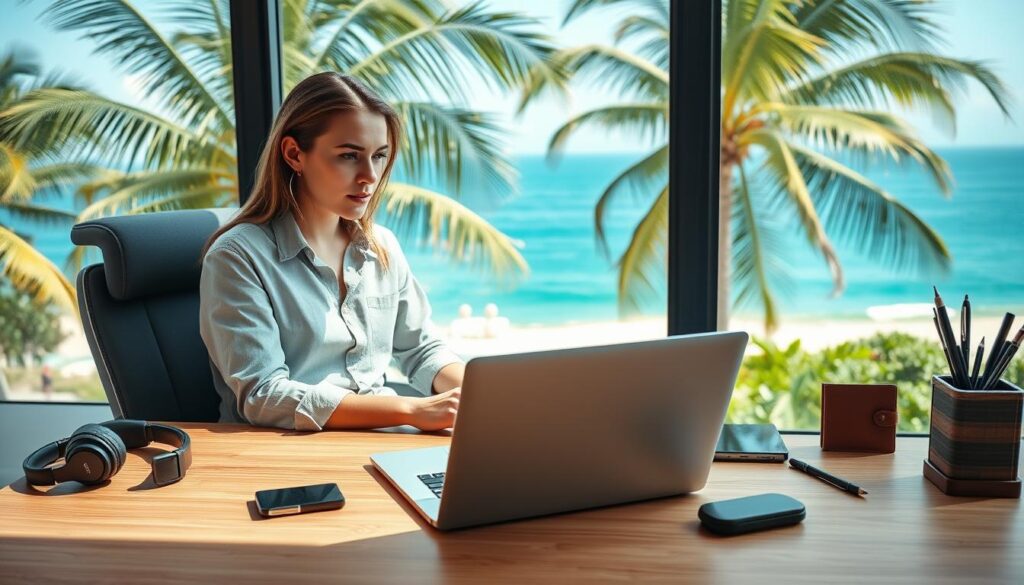
Laptop, phone, hotspots, and ergonomic must-haves
Essentials: a lightweight laptop, an unlocked phone, and a multi‑band hotspot or SIM strategy make staying connected simple. Add noise‑canceling headphones for calls and focus.
Ergonomics matter: a foldable stand plus an external keyboard and mouse prevent strain over years of travel.
Security, backups, and power: keeping your work safe
Power reliability starts with a compact surge protector, multi‑country adapters, and a high‑capacity power bank. Test outlets and bring a small travel strip for shared spaces.
- Layered backups: cloud sync, encrypted external drives, and file versioning for critical files.
- Security hygiene: VPN on public Wi‑Fi, auto‑updates, a password manager, and 2FA across key applications.
- Do quick pre‑arrival research on carriers, eSIM options, and fair‑use policies for your next location or country.
Run a packing audit every few months to keep the kit minimal and mission‑focused. A stable setup protects client trust and helps you ship work anywhere in the world.
For gear that also helps content creators, see a recommended camera guide at best camera for blogging.
Weekends and downtime: exploring cities and nature around the world
Weekends are when the map opens and weekend plans turn the city into a classroom for local culture.
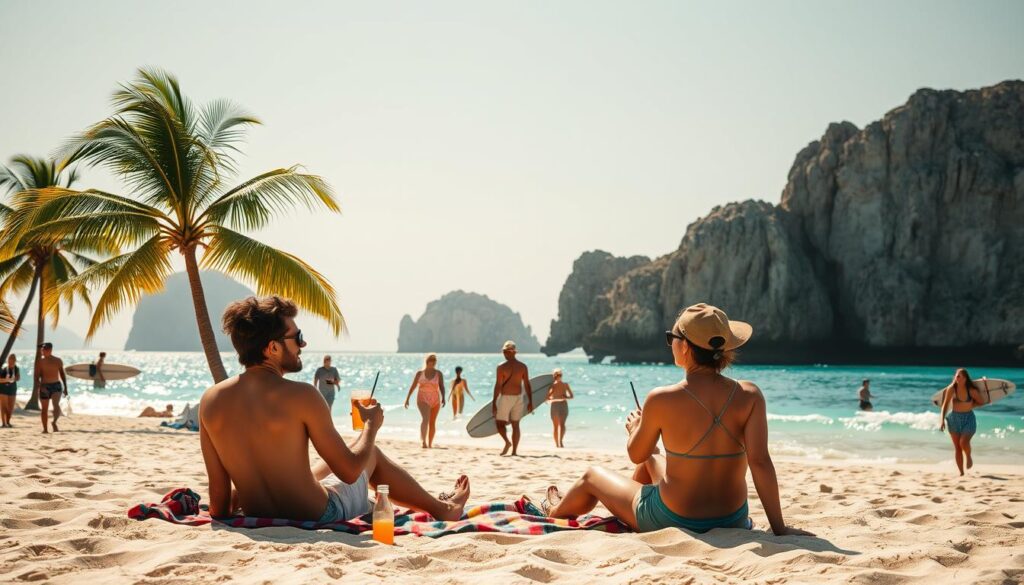
From del carmen, common day trips include cenotes, Tulum’s ruins, Chichen Itza, Valladolid, and relaxed beach clubs. Treat these outings as chances to learn about local history and food, not just to tick boxes.
Plan low‑friction trips: start early, download offline maps, and check weather so you use limited days well.
Clever weekend habits
- Alternate active adventures with slow recovery days to protect your lifestyle and energy.
- Bookmark vetted operators and community guides for safe, reliable trips.
- Travel light: daypack, water, sunscreen, portable charger, and a compact towel.
- Budget for meaningful experiences—memories usually beat souvenirs.
“A short trip with good planning can refresh your week and strengthen local friendships.”
| Activity | Best time | Why it works |
|---|---|---|
| Cenote swim | Early morning | Fewer crowds, cooler water, great photos |
| Tulum ruins | Morning or late afternoon | Historical depth, scenic views |
| Chichen Itza | Day trip | Iconic site; book a guided tour |
| Beach club | Sunset | Relaxation and social time |
Return Sunday evening with a short Monday plan to protect your work readiness. That small habit helps you start the week focused and refreshed.
From pandemic shift to mainstream: how remote work reshaped nomad life
The pandemic rewired how teams operate and made remote work a default for many employers.
COVID‑19’s impact:
COVID-19’s impact: more traditional workers going remote
In 2020, 10.9 million American workers identified as digital nomads — a 49% jump from 2019 as offices closed.
At the same time, traditional employees who went remote nearly doubled to 6.3 million. That pushed many people to test location flexibility while keeping the same job.
Domestic nomadism in the United States:
Domestic nomadism in the United States
Travel restrictions and uncertainty drove longer stays within national borders. U.S. residents favored road trips, seasonal moves, and slower rotations near home.
Multiple countries reacted by launching new visa programs for remote professionals. That response made longer international stays more feasible once borders reopened.
“Remote work moved from perk to mainstream operating model for many companies.”
| Metric | 2019 | 2020 | Effect |
|---|---|---|---|
| Americans identifying as remote workers | 7.3M | 10.9M | 49% increase in one year |
| Traditional employees working remotely | ~3.2M | 6.3M | Nearly doubled |
| Visa programs launched | Few | Multiple countries | More legal pathways for longer stays |
Lasting effects: better async tools, broader employer openness, and normalized flexible hours make nomads remote roles sustainable.
Now is a good moment to negotiate flexible terms that support travel goals. Pair that with steady routines and local planning to stay effective while you move.
Getting started: research, applications, and building a support network
Begin by naming your top priorities—cost, climate, visa ease, or a strong local community. Let those priorities guide which country and location you shortlist.

Pick a country, check visa options, and plan your process
Do focused research on visas and timelines. Many countries now offer specific visa routes; requirements vary by income, insurance, and paperwork.
Lay out a simple process: define priorities, shortlist a country, compare visa options, and set realistic timelines for applications. Prepare core documents in advance—proofs of income, health insurance, and background checks—to speed the applications.
Join a platform to stay informed and connected
Sign up for a reputable platform that bundles city guides, job listings, and expert advisors. Digital Nomad World provides vetted city guides, remote job leads, discounts, and advisor access to answer legal and travel questions.
Test the lifestyle with a short domestic or international stay. Use that trip to validate your routines, connectivity needs, and daily rhythm before longer commitments.
- Checklist: budget template, emergency fund, and a gear upgrade plan.
- Network early: join online groups, local meetups, and co‑working spaces.
- Scale up: many people start part‑time and gradually become digital professionals.
“Start small, prepare paperwork, and build community—those three moves cut risk and speed success.”
Conclusion
A lasting travel-based life grows from repeatable habits, clear boundaries, and reliable work. Keep mornings simple, pick dependable workspaces, block deep focus time, and make room for meaningful local moments.
To succeed: aim to work remotely with steady output, build community, and explore legal pathways like a digital nomad visa when it fits your plan. Let sustainable pacing over the years guard against burnout.
Start small: research a country, outline your process, and connect with peers and platforms. Try short stays, learn fast, and iterate your approach.
Ready for the next step? Consider a practical side project to test rhythms — start a side hustle — then design the version of this life that suits you and the world.
FAQ
What is the lifestyle described in this guide?
What jobs let people work while traveling?
How does a typical day look when you work remotely overseas?
Where can I work when I’m away from home?
How important is internet access and what are backup plans?
How do you stay productive while changing locations frequently?
How do people find community and support on the road?
What are the main benefits of this lifestyle?
What challenges should I expect when living and working remotely?
Do I need a special visa to work while abroad?
What should I know about the Spain remote work visa?
How do Costa Rica and Portugal differ for remote workers?
Are there popular destinations with good infrastructure for work and play?
What gear should I pack for a mobile office?
How do I protect work and data while traveling?
How did remote work trends change after the pandemic?
What are the first steps to start living and working abroad?


