

Planning a remodel can feel overwhelming, but smart choices keep your home project on track and the budget intact. A recent study found 34% of homeowners exceed budgets partly because products and services cost more than expected. Median spending rose from $15,000 in 2020 to $18,000 in 2021, so smart planning matters.
This guide centers on practical, real-world money saving tips when renovating a house. You’ll learn how to plan, track costs, and prioritize work to avoid rework and delays. Saving isn’t only about buying cheap goods — it’s about choosing quality that lasts and prevents early failures.
Expect room-by-room tactics plus universal rules you can apply across any renovation. Topics include permits, DIY vs pro decisions, shopping strategies, reuse and refinish ideas, and timing work to score better rates. If you’re a US homeowner mid-planning or just starting, this guide helps you finish proud of the result.
Key Takeaways
- Plan and track costs to reduce the risk of overspending.
- Prioritize durable choices to avoid costly rework.
- Mix DIY with pro work for safe savings and quality.
- Use reuse, refinish, and resale strategies where possible.
- Time purchases and permits to get better rates and availability.
Start With a Realistic Renovation Budget (and Protect It From Surprises)
Begin with a granular budget so you can spot surprises before they derail the project. List every line: labor, materials, permits, and the everyday costs that pop up when rooms are unusable.

Build a line-by-line plan
Organize costs by room or phase. That way you see the true cost of each choice before you spend. Include life disruption items like takeout or a short hotel stay.
Set a contingency and monitor price changes
Target a 10%–15% buffer. Lean toward 15% for older homes, plumbing moves, or structural work. Track product and subcontractor price changes and get quotes in writing.
- Weekly check-ins: compare planned vs actual spend.
- Separate must-haves from nice-to-haves to protect the core budget.
- Confirm lead times so time shifts don’t raise price or labor cost.
| Item | Included | Suggested Contingency | Notes |
|---|---|---|---|
| Kitchen | Labor, materials, temporary meals | 15% | High risk for price change on appliances |
| Bathroom | Fixtures, plumbing, tile | 12% | Plumbing moves increase contingency |
| Structural/Systems | Contractor, permits, inspections | 15% | Older homes often need higher buffer |
For more planning frameworks and checklists, see this helpful resource: detailed renovation checklist.
Don’t Let Permits and Paperwork Blow Up Your Timeline and Costs
Verify local permit requirements early to protect your timeline and avoid wasted materials. A short call to your city or county planning office can prevent major headaches later.
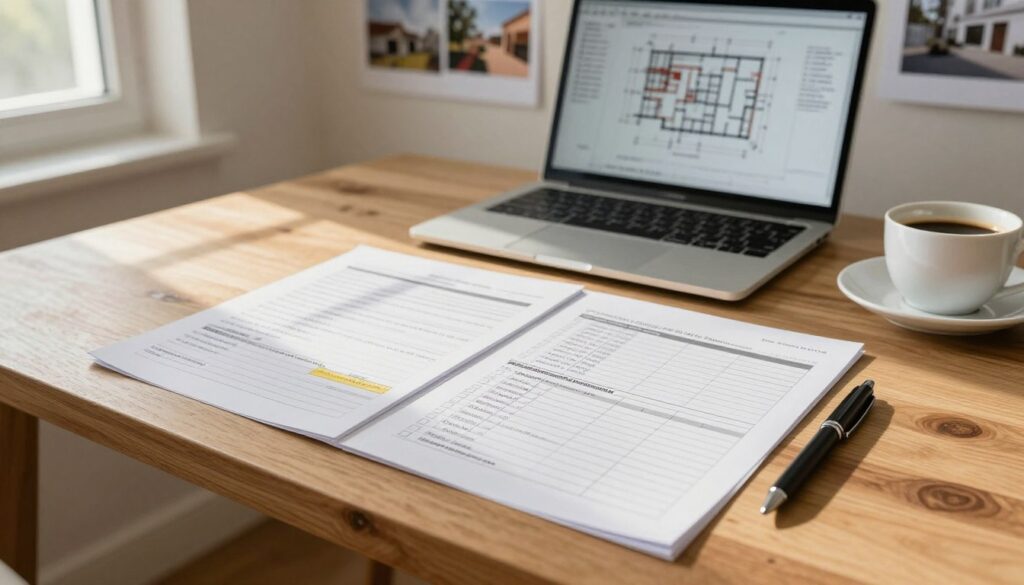
Check city and county requirements before any work starts
Confirm which jobs need a permit: electrical, plumbing, structural changes, and additions are common triggers. Ask what documentation and plans the authority requires.
Why missing permits can lead to redo work, lost time, and wasted materials
Starting without approvals risks a stop-work order or forced tear-outs. That outcome adds direct costs and eats into your schedule.
- Create a simple paperwork checklist: permits, inspections, HOA rules, and approval dates.
- Clarify with contractors who pulls permits and typical approval durations in your area.
- Remember hidden expenses: wasted materials, rebooking trades, storage fees, and extended daily disruption.
| Item | Action | Impact on costs |
|---|---|---|
| Electrical | Confirm permit & inspection schedule | High — failure may require rewiring and replacement materials |
| Structural | Submit plans before demo | High — stop orders or redesign raise costs |
| Plumbing | Verify licensed inspector | Medium — hidden material waste if removed |
Quick tip: Build permit milestones into your build calendar so approvals don’t stall the next phase of the project. For extra planning resources see this extra cash guide.
money saving tips when renovating a house That Work in Any Room
Focus on what you touch every day and let easy swaps wait. Choose durable surfaces and systems first. These are costly to change later and affect daily life the most.

Prioritize daily-touch vs easy later swaps
Hard-to-change things — floors, plumbing rough-ins, and built-in cabinets — deserve higher spend.
Easy swaps — paint, hardware, and accent lights — can be deferred without pain.
Split big jobs into phases
Phase larger projects to spread cost and give time to hunt sales.
Doing demo now and finishing finishes later often leads to better decisions and lower overall spend.
Track every purchase, even small items
Log receipts for every item: screws, caulk, delivery fees, and quick buys. Small charges add up fast and can wreck a tight budget.
- Weekly reconciliation: match receipts to bank transactions each Sunday.
- Use one spreadsheet: list vendor, item, cost, and which room it serves.
- Phase notes: mark which things can wait so you buy only what’s essential now.
| Project Type | Priority Items | Easy Later Swaps |
|---|---|---|
| Cosmetic refresh | Paint prep, patching, trim | Lighting, decor, rugs |
| Partial gut | Plumbing rough-in, subfloor, electrical | Cabinet hardware, faucets, mirrors |
| Full-house | Flooring, major systems, insulation | Window treatments, art, accent paint |
Where to Spend vs. Save for the Biggest Long-Term Payoff
Prioritize items that get the most daily use to protect long-term value. This simple rule helps you decide what deserves higher upfront investment and what can be simplified.

Spend on durable flooring and tiles
Floors and tiles take constant wear and are costly to replace. Invest in proven, durable flooring options for main traffic zones.
High-quality products resist scratches, stains, and moisture. That lowers future repair and replacement costs across your spaces.
Save on cabinetry with smart choices
Choose standard-size cabinetry boxes and simple door styles like shaker to cut cost. Save on construction and use upgrades for impact.
Focus upgrades on what people see: painted door fronts, pulls, and a standout island rather than custom boxes everywhere.
Spend on countertops and bathroom fixtures
Countertops face heavy daily use. Durable surfaces avoid chips and stains that force early replacement.
Bathroom fixtures made from solid brass or stainless steel resist corrosion and last longer than bargain pieces. Experts such as Michael Valente and Wendy Labrum recommend prioritizing these items to avoid “pay twice” failures.
Spend on hardware and switches
Hardware acts like jewelry for cabinets and doors. Choose durable metals (bronze, brass, or copper) to lift overall style.
Upgrading switches and outlets gives everyday tactile and visual improvements without changing layout or major costs.
| Category | Spend or Save | Why | Quick action |
|---|---|---|---|
| Flooring | Spend | High use; disruptive to replace | Choose durable planks or porcelain tiles |
| Cabinetry | Save | Standard boxes cheaper; faces can be refreshed | Buy stock boxes; upgrade doors and pulls |
| Countertops | Spend | Visible and high-contact surface | Pick durable stone or engineered quartz |
| Bathroom fixtures & hardware | Spend | Corrosion resistance extends life | Choose solid metals and quality finishes |
“Invest where daily use meets visibility; small visible upgrades can shift perception without large budget hits.”
Smart Kitchen Savings Without Sacrificing Style
A kitchen refresh can change the whole room without a full teardown. This approach keeps major costs down while lifting style and function.

Big cost drivers: cabinets, counters, and labor. If cabinet boxes are solid, the best way to save money is to keep them and update what you see.
Refresh cabinet doors with paint and new pulls
Prep well: remove doors, clean, sand, and prime. Then apply two thin coats of paint for an even finish.
Swap pulls or knobs to complete the look. This simple sequence—prep, prime, paint, hardware—creates an almost-new appearance without full replacement.
Use “simple cabinets, standout counters” to shift budget
Choose standard cabinet boxes with plain doors and spend more on a durable, eye-catching countertop. A strong counter surface lifts the whole design.
Consider ex-display kitchens for deep discounts
Ex-display kitchens can cut costs dramatically but read the tradeoffs: limited sizes, no manufacturer warranty, and possible DIY fitting.
Measure carefully and plan designs around available modules. Fitting to stock sizes keeps costs predictable and the final design cohesive.
| Decision | Benefit | Watch-outs |
|---|---|---|
| Repaint doors & new hardware | High visual impact, low cost | Requires good prep; hinges may need replacement |
| Simple cabinets + premium counters | High-end look, controlled spend | Counter selection must match cabinet heights |
| Ex-display kitchens | Large upfront savings | No warranty; sizes fixed; possible installation work |
For layout and budgeting ideas, check this internal resource: save money.
Bathroom Upgrades That Save Money Over the Life of the Home
A thoughtful faucet or showerhead choice pays off over years of daily use. Small decisions now can cut future repair needs and keep plumbing work to a minimum.
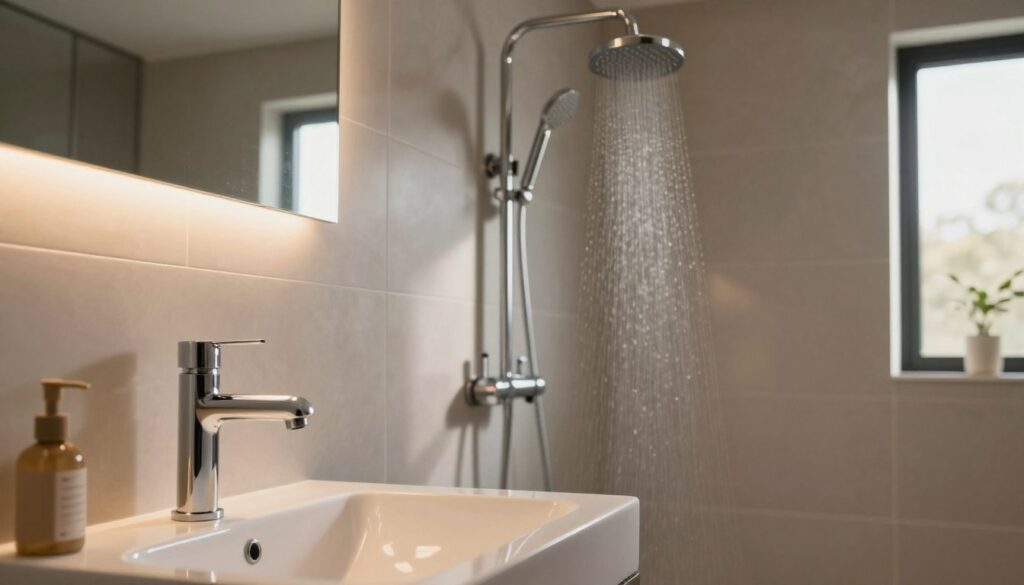
Choose corrosion-resistant faucets and showerheads
Prioritize solid brass or stainless steel. These materials resist corrosion and last longer than cheap plated pieces.
High-quality fixtures avoid leaks and the need for repeat plumbing calls. That reduces out-of-pocket costs over the home’s life.
When to reuse fixtures
If a fixture is solid, leak-free, and fits the new layout, keep it and redirect funds to visible updates.
- Check for leaks, worn threads, and finish wear.
- Confirm water-pressure compatibility with new valves.
- Reuse seals or replace them to refresh performance.
| Choice | Why it Pays | Quick Action |
|---|---|---|
| Solid brass faucet | Corrosion resistance, fewer replacements | Buy name-brand with warranty |
| Stainless-steel showerhead | Resists mineral buildup and wear | Choose serviceable models |
| Reused fixtures | Lower upfront spend, keep function | Inspect, clean, and reseal |
Tip: Pair reused pieces with fresh paint, new mirrors, and updated lighting so the space feels renovated without a full swap. For checklists and planning, see this renovation checklist.
DIY What You Can, Hire Out What You Can’t
Doing simple work yourself frees up budget for the specialized tasks that need licensed pros. This balance lowers overall costs and keeps the schedule cleaner.

High-savings DIY projects
Painting walls and ceilings is one of the best DIY wins. Proper prep and two thin coats give pro-level results.
Minor tiling repairs and basic trim work also save lots, especially if you practice cuts and layouts on scrap pieces.
Know when to call a pro
Hire a licensed contractor for plumbing, electrical, and any structural changes. These jobs carry code, safety, and insurance requirements.
Get at least three quotes and compare scope, timelines, and warranties — not just price — to avoid costly change orders later.
Safe demolition and prep
Do your own demolition to reduce labor hours, but stop if you hit load-bearing walls, live wiring, or unknown pipes.
Clearing rooms, carefully removing fixtures, and hauling debris can shorten paid work windows and cut invoiced hours.
“DIY where risk is low and returns are high; leave the technical, permitted work to licensed pros.”
| Task | DIY? | Why |
|---|---|---|
| Paint walls & ceilings | Yes | High savings; low risk with good prep |
| Minor tile repair | Yes | Saves labor; practice on scraps first |
| Trim and baseboards | Yes | Simple tools; big visual impact |
| Plumbing reroute | No | Code, permits, risk of major damage |
| Electrical panel or rewiring | No | Safety, inspections, insurance rules |
Shop Smarter for Materials, Flooring, and Finishes
A little planning before you buy materials can shave big chunks off overall cost. Start by listing exact quantities and finish dates so you buy only what you need.

Buy materials yourself when markup is high and you can compare vendors. This works well for tile, trim, and flooring that have clear specs. Avoid buying trade-only or warrantied items yourself if the contractor handles returns or warranty claims.
Practical shopping workflow
Build a finish schedule, measure twice, then get quotes for identical specs from several sellers. Ask for exact sku numbers so you compare real price and lead times.
Cut delivery fees fast
If items fit your truck or a short rental, schedule pickup to skip delivery charges. This is an easy way to save money right away and shave a bit off the invoice.
Where to find better deals
Check local building supply resellers and regional distributors. They often beat big-box price for the same grade, especially on flooring and tile.
Consider look-alikes — engineered quartz can mimic marble at a fraction of the cost. Ask sales staff about upcoming sales and markdown schedules so you buy at the right moment.
“Compare specs, buy smart, and time purchases — small choices add up to a lot of savings.”
| Action | Why it helps | Quick step |
|---|---|---|
| Buy materials yourself | Reduces markup | Get exact SKUs and receipts |
| Pickup vs delivery | Avoids fees | Rent a short-haul truck |
| Use resellers | Better price on same grade | Call local distributors |
Reuse, Refinish, Repair, and Resell to Cut Renovation Costs Fast
Before you demo, look for items and finishes that can be refreshed to keep value and lower expense. A quick inspection saves time and avoids throwing out solid pieces.

Refinish hardwood rather than replace
Refinishing a worn floor surface often costs far less than full replacement. Rent a buffer/sander, sand to bare wood, and seal with a durable finish for a near-new look.
Repair the bones, upgrade what shows
Keep good cabinets, plumbing, and structure. Then swap visible elements—handles, trim, fresh paint, and doors—to lift the room without heavy work.
Buy and sell secondhand materials and fixtures
Source leftover materials and used items that match your specs. Inspect pieces closely and measure before you buy.
Sell surplus materials and old fixtures on local marketplaces to recoup part of the budget and cut waste. Protect salvageable doors and fixtures during demo to increase resale value.
| Action | Why | Quick Step |
|---|---|---|
| Refinish floor | Lower cost; preserves character | Rent sander, sand, seal |
| Refresh visible items | Big visual impact | Replace handles, paint, trim |
| Resell surplus | Recoup funds | List locally; price fairly |
“Repair what’s solid and refresh what people see — it’s the fastest way to lower costs without losing quality.”
Save Time and Money by Timing Your Project and Renting Tools
Scheduling your remodel during slower months can unlock lower rates and better availability. That strategy saves both time and money while giving you more control over the calendar.

Renovate in winter for better contractor access
Winter is often an off-season for many contractors. Demand dips, so you can ask about reduced rates or more flexible start dates.
Talk to multiple crews about off-season pricing and typical lead times. Then lock your project dates to avoid rush fees and scheduling conflicts.
Rent or borrow big tools you’ll only use once
Buying specialty sanders or large table saws for a single job rarely pays off. Rent or borrow these items instead.
Coordinate rentals to arrive the exact day you need them. That prevents extra rental days and keeps the job moving on schedule.
- Ask contractors about off-peak discounts and firm start dates.
- Compare rental shops and tool libraries for the best cost vs. convenience.
- Include tool rental line items in your budget so true cost is clear.
| Strategy | Benefit | Quick action |
|---|---|---|
| Winter scheduling | Lower rates, better availability | Get written start dates |
| Rent big tools | Lower one-off expense | Reserve by date |
| Coordinate deliveries | Reduce idle days | Sync tool drop-off with phases |
“Time your work and rent smart — simple moves that cut cost and speed up any house project.”
For extra ways to fund small gaps or earn while you remodel, check this side-hustle guide.
Conclusion
, Finish strong by protecting your plan with clear priorities and firm approvals. Build in a 10%–15% contingency, confirm permits early to avoid redo costs, and choose durable, daily-touch upgrades first.
Prioritize flooring and tile, countertops, quality fixtures, switches/outlets, and hardware. For kitchens and bathrooms keep cabinet boxes where possible, use paint and new fronts, and shift funds to high-impact surfaces that resist early replacement.
Work in phases, track every purchase and change order, and buy time to compare prices. Next step: pick one room, write a line-by-line budget, mark where to spend vs save, then schedule the project to minimize disruption and wasted time.
FAQ
How do I set a realistic renovation budget and avoid surprises?
What permits should I check before work begins?
Which projects should I prioritize in any room?
Where should I spend more versus cut back for long-term value?
How can I update a kitchen affordably without losing style?
Which bathroom upgrades offer the best long-term savings?
What renovation tasks are good DIY, and which need a pro?
How can I shop smarter for materials, flooring, and finishes?
Is it worth refinishing floors instead of replacing them?
Can selling old fixtures or surplus materials offset renovation costs?
When is the best time to schedule a remodel to save on labor costs?
How do I track small purchases so they don’t blow the budget?
Are secondhand and leftover materials a safe choice?
How much contingency should I build into my project?


