

Welcome to a clear, action-focused look at how selling online works today. Digital channels let a business reach customers beyond physical stores with lower overhead and smarter distribution. In the U.S., retail e-commerce made up about 16% of total retail sales in Q2 2024, so opportunity is real.
This section helps you grasp core concepts and quick wins. You will learn how to choose the right model, boost conversions, and build loyalty. We also preview marketplaces vs. owned sites, logistics, payments, and data practices that matter.
Big platforms like Amazon set high bars for delivery speed, selection, and service. Amazon’s 2023 sales reached $574.79 billion with strong operating income, showing how scale reshapes customer expectations.
Expect practical tips on product pages, fast mobile shopping, secure payments, and metrics to track — conversion rate, AOV, LTV, and CAC — so you can plan measurable growth.
Key Takeaways
- Digital channels expand reach and lower overhead for stores and businesses.
- Focus on fast mobile experiences, clear product pages, and simple checkout flows.
- Use marketplaces and owned sites together to meet customers where they shop.
- Secure payments and trustworthy data practices reduce friction from browse to order.
- Track conversion rate, AOV, LTV, and CAC to guide growth decisions.
What Is E-commerce? A Plain-English Definition
Digital shopping moves classic mail-order ideas into fast, interactive experiences on modern devices.
E-commerce means the buying and selling of goods and services over the internet using computers, tablets, and smartphones. It covers transactions on websites, apps, and marketplaces and relies on payment systems, shipping, and storefront technology.
Think of shopping on Amazon or browsing Etsy, subscribing to a streaming service, or booking a repair online. Customers interact with businesses digitally every day, whether they buy a product or pay for a service online.

How electronic commerce differs from e-business
E-commerce focuses on the transaction—selling products and services and completing payments. E-business is broader. It includes back-office functions like customer support, HR, and inventory systems that run online.
Sellers can sell goods directly on their own websites or use marketplaces for wider reach. Each route has different control over branding, fees, and fulfillment complexity.
- Behind the scenes: payment gateways, inventory management, and fraud prevention keep transactions smooth.
- Customer benefits: wider selection, convenience, and reviews that guide buying decisions.
Tip: Map your products and services to a simple model before adding complex tech. Clear definitions help teams set goals, choose platforms, and measure sales and customer experience.
The Evolution of Online Buying and Selling
The rise of online trade traces a clear arc from industrial data links to today’s immersive shopping apps.
Electronic Data Interchange (EDI) in the 1960s first let companies swap invoices and purchase orders automatically. That back-office plumbing laid the foundation for later consumer-facing systems.
In 1994, NetMarket recorded one of the first known consumer transactions—a CD sale that proved secure payments could work for the public. That moment helped seed trust in online transactions.

Milestones That Shaped Modern Retail
- Early online retailers built trust with secure checkout, reviews, and reliable fulfillment, setting today’s service standards.
- By 2016, China led the world, accounting for about 42.4% of global retail e-commerce value; the U.K. once led per-capita spending, and the Czech Republic saw 24% company turnover via online channels by 2013.
- Broadband, smartphones, and app ecosystems accelerated adoption and enabled omnichannel experiences for customers and retailers.
- Free-shipping promises and fast delivery created new logistics investments and last-mile solutions that still shape expectations.
- Marketplaces expanded the long tail of sellers, while AR/3D previews and social platforms now drive discovery and conversions.
Look back to move forward: history shows that mobile-first design, immersive content, and trusted logistics keep winning. For practical next steps and side income ideas tied to selling products online, see side-hustle ideas.
Core Types of E-commerce Business Models
Not all online selling looks the same—models differ by buyer, volume, and rules.
B2C, B2B, C2C, C2B, and B2G at a glance
B2C is selling to end users. It rewards strong storytelling, fast fulfillment, and easy checkout.
B2B serves other companies with larger quantities, negotiated pricing, and recurring orders.
C2C enables peer-to-peer marketplaces like eBay and Etsy, where trust signals and ratings matter most.
C2B flips the flow—individuals offer services or content to companies, often via platforms or gigs.
B2G means contracting with government agencies and requires formal bids and documentation.
“B2B buyers now expect B2C-like speed; match convenience to the buyer and the sale will follow.”
Choosing the right business model for your products and services
Map your catalog and margins to a model that supports unit economics and repeat demand.
- Price: volume discounts for B2B, subscriptions or dynamic pricing for B2C, and platform fees for C2C/C2B.
- Compliance: B2G needs procurement paperwork; B2B may need procurement integrations.
- Platforms: own site for brand control, selective marketplaces for quick reach.
| Model | Best for | Key considerations |
|---|---|---|
| B2C | Retail brands, consumer products | Experience, speed, marketing ROI |
| B2B | Suppliers, bulk goods, services | Negotiation, specs, long sales cycles |
| C2C / C2B | Individual sellers, freelancers | Trust systems, platform fees, dispute rules |
| B2G | Companies selling to government | Bids, certifications, compliance |

Quick checklist: define your audience, map buying steps, assess logistics, note compliance needs, and pick channels that match margins and growth goals.
E-commerce Revenue Models That Work Today
Some sellers start fast with minimal inventory; others invest to control quality and branding.
Dropshipping lets you take orders, then pass fulfillment to a supplier who handles stock, packing, and shipping. It’s low-capital and fast to launch, but you trade off quality control and unboxing experience.
White label vs. private label: white label means rebranding an existing item. Private label lets you change specs and packaging for stronger differentiation. Both speed time-to-market, but private label demands tighter quality checks.

- Wholesaling: higher margins per unit but needs capital for MOQs, storage, and forecasting.
- Subscriptions: deliver goods on a cadence (meal kits, grooming). Focus on the first order experience to reduce churn.
Operational checkpoints: supplier SLAs for dropshipping, QC protocols for private label, and demand planning for wholesale. Use packaging and post-purchase messaging to build brand when direct control is limited.
“Track contribution margin by SKU and channel to see where each model truly wins.”
Decide using a simple matrix: speed to market, capital needs, brand differentiation, and logistics complexity. For more tools and templates that help choose a model, see resources for success.
Retail E-commerce vs. Marketplaces vs. Social Commerce
Choosing where to sell—your own store, a large marketplace, or social channels—shapes how customers discover and buy.
Owning your website vs. selling on marketplaces
Own site: you keep branding, customer data, and higher margins. Build loyalty with tailored experiences and bundles.
Marketplaces: offer instant reach and trust but add fees and policy risk. Amazon independent sellers averaged over $290,000 in U.S. sales in 2024, with 55,000+ surpassing $1M.
Social selling and trading communities
Social commerce turns discovery into checkout via shoppable posts, livestreams, and community recommendations.
Trading groups and peer-to-peer forums add liquidity for niche and secondhand items. Use short video, UGC, and AR snippets to boost conversion.

“Use marketplaces to validate demand while you build a branded destination that cultivates loyalty and higher margins.”
| Channel | Strength | Operational tip |
|---|---|---|
| Owned website | Brand control, data, better margins | Unify inventory and optimize checkout |
| Marketplaces | Large audience, trust, faster sales | Manage fees, reviews, and competitive positioning |
| Social & trading | Discovery, UGC, live selling | Invest in short video and conversational tools |
- Support tools: live chat, chatbots, and voice assistants lower friction at checkout.
- Measure channel profitability, not just top-line sales, to decide where to scale.
Pros and Cons: The Real-World Tradeoffs of Selling Online
Online selling blends convenience with scale, but it also brings its own tradeoffs. The upside is clear: stores open 24/7, customers can compare offers, and wide selection stays just a click away.

Convenience, selection, and global reach
Always-on shopping boosts sales potential. Small companies launch with lower startup costs because they skip rent and big inventories.
Sellers can reach international customers if shipping, duties, and checkout are clear. Data-driven personalization also improves recommendations and promotions.
Customer service limits, product evaluation, and competition
Drawbacks are real. Shoppers cannot touch goods before purchase, and shipping delays remove instant gratification.
High competition follows low barriers to entry. That means differentiation, strong customer service, and brand trust matter more than ever.
“Use rich media, clear return policies, and proactive communication to reduce buyer anxiety.”
- Mitigate tactile limits with photos, AR previews, and video demos.
- Protect uptime with reliable platforms and redundancy to avoid lost sales.
- Turn first-time buyers into repeat customers with friendly post-purchase support and clear shipping timelines.
Current E-commerce Trends in the United States
Retail behavior is shifting fast, and small changes add up to big effects on sales and loyalty.
Retail e-commerce now accounts for 16% of U.S. retail sales in Q2 2024, a clear sign that online channels are mainstream but still growing.

Mobile, AR/3D, and super-app influence
Mobile devices lead discovery and conversion. That makes mobile-first design, fast pages, and simplified checkout essential.
AR and 3D previews help customers try before they buy. Wayfair-style room views and virtual eyewear demos cut returns and boost confidence.
Super-app ideas—bundling shopping, payments, and local services—are shaping expectations. Integrated wallets, one-click pay, and push notifications raise repeat purchase rates.
“Invest in fast mobile experiences and in-app loyalty hooks to meet modern customer expectations.”
- Use short-form video and live shopping to drive urgency and community.
- Build mobile toolkits: wallet support, pay-over-time, and address auto-complete.
- Track mobile KPIs: scroll depth, tap heatmaps, and cart progression to find friction.
Accessibility and inclusive design widen reach and improve conversion for all customers. Treat these as core features, not extras.
Building an E-commerce Website That Converts
A high-converting site organizes product discovery, trust signals, and a fast checkout into one smooth path.

Product pages, categories, and reviews that sell
Product pages should lead with a clear title and benefit-led bullets. Use rich images or 3D previews and add sizing or fit details so customers can decide quickly.
Show prominent social proof: star ratings, verified reviews, and a short Q&A. Those elements reduce hesitation and lift conversion.
Checkout and mobile performance best practices
Keep checkout short. Offer guest checkout, wallet payments like Apple Pay and Google Pay, and show shipping and return costs early.
Optimize for mobile: tap-friendly CTAs, sticky add-to-cart, autofill, and lazy-loading images to keep pages fast and usable.
- Intuitive categories and filters that match shopping intent.
- Personalization: recently viewed items and complementary bundles to raise AOV.
- Accessibility: meaningful alt text, strong color contrast, and keyboard navigation.
- Testing: A/B titles, images, pricing displays, and trust badges.
- Capture intent: exit offers, back-in-stock alerts, and email/SMS opt-ins at checkout.
| Feature | Why it matters | Target |
|---|---|---|
| Page load & LCP | Faster pages cut bounce and boost conversion | Sub-2.5s LCP |
| Checkout fields | Fewer steps reduce abandonment | One-page or progressive form |
| Media | Optimized images and 3D lower returns | Responsive, lazy-loaded assets |
| Payment options | Convenience shortens time-to-order | Wallets + cards + clear shipping |
“Design for speed and trust—customers buy when finding and paying is effortless.”
Logistics, Fulfillment, and Last-Mile Delivery
Fulfillment choices shape costs, customer happiness, and how fast orders arrive.
In-house fulfillment vs. third-party partners: Small businesses often keep fulfillment in-house for control and quick fixes. Larger companies use 3PLs to scale, tap carrier discounts, and add multi-node coverage during peaks.

Inventory, packaging, and timely delivery
Use demand forecasting and buffer stock for top SKUs to avoid stockouts. Rationalize slow movers to free cash and space.
Right-size packaging to cut DIM weight, protect goods, and create a branded unboxing moment.
Setting expectations: shipping, returns, and service
Define SLAs for processing cutoffs and carrier pickups. Offer standard, expedited, local courier, and pickup points for flexibility.
Provide prepaid return labels, clear policies, and automated RMA flows. Shipment tracking and proactive notifications cut WISMO tickets and protect repeat sales.
Tip: Bring customer service into logistics workflows and plan 3PL support for peak events to keep promises and preserve loyalty. For more running examples, see affiliate marketing websites examples.
Data, Payments, and Transaction Security
A smooth checkout and visible security signals cut abandonment and build repeat business.

Secure payment processing and wallet options
Offer multiple fast payment choices—major cards, PayPal, Apple Pay, and Google Pay—to reduce cart dropoff. Use HTTPS sitewide and follow PCI-DSS rules.
Tokenization and 3D Secure add layers of protection without slowing checkout. Real-time fraud checks, velocity limits, and risk scoring flag risky transactions.
Protecting customer data and preventing fraud
Store the minimal information needed, encrypt data in transit and at rest, and rotate keys regularly. Publish clear privacy notices that explain what information you collect and why.
- Account safety: strong passwords, MFA, and login anomaly alerts.
- Compliance basics: FTC privacy enforcement and CAN-SPAM rules for commercial email.
- Operational hygiene: periodic audits, pen tests, and staff training.
| Control | Purpose | Benefit |
|---|---|---|
| HTTPS & TLS | Protects data in transit | Builds trust for customers |
| Tokenization | Removes raw card data | Reduces breach scope |
| Fraud scoring | Detects suspicious patterns | Fewer chargebacks, secure transactions |
“Have a breach plan: detect, contain, notify, and remediate quickly to preserve trust.”
Marketing Your Online Store for Sustainable Sales
Smart marketing blends visibility, conversion, and service to create steady revenue. Build a plan that moves people from discovery to repeat order without friction.

Search engine optimization for e-commerce websites
Start with keyword research mapped to category and product pages. Fix technical hygiene: fast pages, canonical tags, and mobile-first layout.
Use structured data for products, FAQs, and reviews so listings show rich results and higher click-through rates.
Email marketing, paid ads, and comparison shopping engines
Implement lifecycle flows: welcome series, browse/cart abandonment, post-purchase, and replenishment to drive repeat sales.
Balance paid media: search ads for intent, social ads for discovery, and comparison shopping engines for price-aware buyers. Amazon sellers should test Sponsored Products to boost discovery.
Customer loyalty, personalization, and live support software
Build loyalty programs with tiers, points, and exclusive access to raise AOV and retention.
Personalize content and recommendations using first-party data while respecting privacy choices. Add live support, chat, or a help desk to answer pre-purchase questions and cut bounce rates.
“Measure everything: attribution models, incrementality tests, and LTV-based bidding help scale profitably.”
Cross-Border E-commerce and Selling Around the World
Selling beyond your borders lets small businesses reach new buyers and niche markets, but it adds rules, costs, and service expectations.
Opportunities, challenges, and compliance considerations
Opportunity: New markets can lift sales, reduce seasonality, and let you exploit price and selection differences between regions.
Challenges: Import duties, VAT, and consumer protection laws vary by country and affect landed cost and margins.
Many nations now follow the UNCITRAL Model Law on Electronic Commerce to harmonize rules. International groups like ICPEN, Econsumer.gov, and APEC help handle cross-border complaints and privacy alignment.
- Track landed cost per order, international conversion, and cross-border return rates.
- Plan for taxes, customs paperwork, and clear return policies to avoid surprises for customers.
Localizing offers, payments, and customer support

Localize language, currency, sizing, and promotions. Offer local payment methods and transparent shipping times.
Staff multilingual support, set local hours, and publish escalation paths to build trust. Add extra fraud checks for cross-border cards and AVS mismatches.
Test first: Validate demand on marketplaces and use regional fulfillment nodes (DDP vs. DAP) before heavy local investment. For international marketing tactics, see digital marketing strategies.
“Start small, measure landed costs, and adapt offers to local rhythms and holidays.”
Regulatory and Compliance Essentials in the U.S.
Compliance keeps customers safe and your business out of trouble. Follow basic rules for ads, email, and privacy to build trust and avoid penalties. Start with clear policies, consent records, and routine reviews.

Truth-in-advertising and transparent pricing
The FTC requires ads to be truthful and non-deceptive. Avoid exaggerated claims, keep evidence for performance statements, and disclose material connections with endorsers.
Show total costs and limitations up front. Hidden fees, vague shipping estimates, or conditional discounts that confuse consumers can trigger complaints.
CAN-SPAM, email consent, and privacy basics
CAN-SPAM sets national standards for commercial email. Use accurate sender names and subject lines, include a valid physical address, and process opt-outs promptly.
Document consent for email and SMS programs, honor preferences, and keep clear unsubscribe records.
- Keep privacy policies accurate and easy to find.
- Limit data collection to what you need; adopt retention schedules.
- Require disclosures for influencer posts and user-generated content.
“Treat compliance as an operating practice, not a one-time task.”
Monitor state-level rules like California’s privacy laws and update terms, checkout, and subscription disclosures. Regular legal reviews of returns, subscriptions, and checkout language help avoid surprises.
If regulators or customers raise issues: acknowledge quickly, preserve records, escalate to legal counsel, and fix the root cause. Clear documentation and a prompt remediation plan reduce risk and protect reputation.
E-commerce
Online retail mixes digital downloads, physical shipments, and on-demand services into a single buying experience.
Electronic commerce covers sales of products and services across devices. It includes digital content, software, streaming media, retail goods, and service bookings like ride-hailing or food delivery.
Where it happens: owned websites, marketplaces, and social platforms that speed discovery and offer frictionless checkout. Aligning catalog, fulfillment, and service helps shoppers get consistent experiences across channels.
Enabling systems power every transaction. Inventory management, online transaction processing, and integrations sync catalog, pricing, and availability in real time.

Trust builders are vital: reviews, ratings, and user-generated content help customers judge fit and quality. Recurring models like subscriptions add convenience and steady sales.
| Category | Examples | Typical channels |
|---|---|---|
| Retail goods | Apparel, home goods, electronics | Owned sites, marketplaces, social shops |
| Digital content | eBooks, games, streaming | Websites, app stores, platforms |
| Services | Food delivery, ride-hailing, bookings | Apps, marketplaces, websites |
| Subscriptions | Meal kits, SaaS, replenishment boxes | Owned sites, third-party platforms |
Tip: Build a clear brand voice and memorable product presentation to stand out. Optimize each step from discovery to order confirmation and post-purchase support for sustainable growth.
Scaling from Startup to Online Retailer
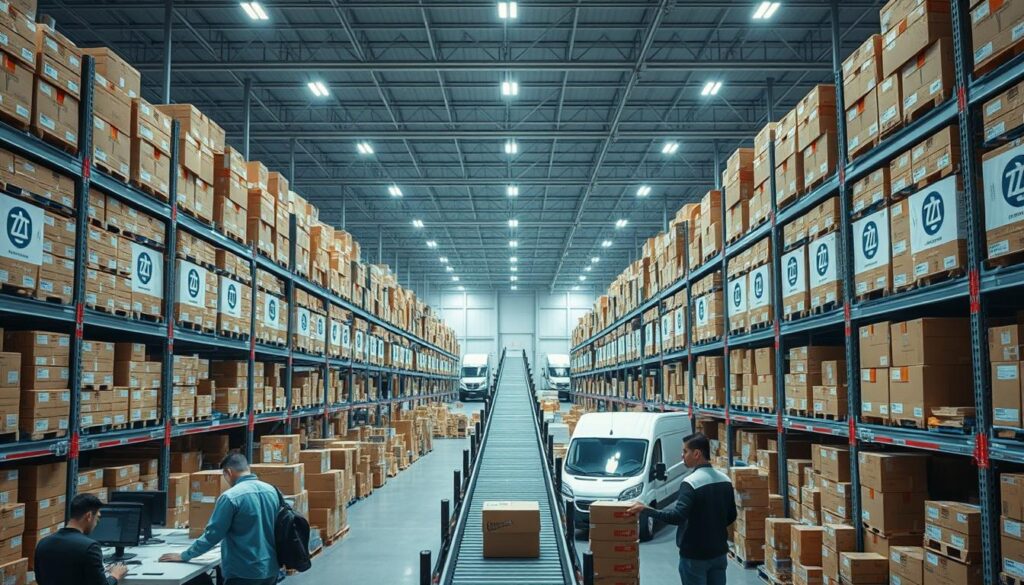
When orders grow, the challenge is less about finding customers and more about keeping costs, inventory, and service reliable. Scale means formalizing what worked: pricing, fulfillment, and where you sell.
Refining your business model and unit economics
Define contribution margin by SKU and channel after variable costs. That number tells you which items and marketplaces to push and which to prune.
Adjust pricing, bundles, and mix as you learn. Use marketplace programs to expand reach, but measure profitability closely. Many Amazon sellers leverage incentives to hit big sales milestones; copy reach, not loss-making tactics.
Data-driven growth: A/B testing, cohorts, and LTV/CAC
Run A/B tests on pages, offers, and checkout flows to lift conversion systematically. Use cohort analysis to see repeat purchase cadence and the effect of post-purchase service.
- Manage LTV/CAC by pairing intent channels with retention programs like subscriptions and loyalty.
- Build a lean data stack—analytics, attribution, automation—that informs decisions without slowing teams.
“Set quarterly roadmaps with measurable KPIs and a testing backlog to keep momentum.”
Plan org roles (operations, merchandising, performance marketing, customer success) and implement forecasting and cash controls. For practical training, consider the free growth course.
Conclusion
Finish by turning strategy into simple, repeatable actions you can test this quarter.
Recap: define your model, build a fast friendly site, and meet customers where they shop. Use clear product storytelling, trustworthy reviews, a simple checkout, and reliable fulfillment to lift conversion.
Keep optimizing with tests, cohort analysis, and LTV/CAC to guide investments. Make privacy, security, and truthful ads non-negotiable for long-term trust.
Prioritize mobile-first design, wallet payments, and AR/3D where it helps product choice. Localize logistics and support when you sell around the world and follow cross-border frameworks for trust.
Start small: pick one improvement this week—then track results. For tools and links to affiliate options, see affiliate resources. With steady execution, online retail can unlock lasting sales and loyal customers.
FAQ
What is the plain-English definition of electronic commerce?
How does online commerce differ from e-business?
How did online buying evolve from early systems like EDI to today’s retail websites?
What milestones shaped modern online retail around the world?
What are the main business models for selling online?
How do I choose the right business model for my products and services?
Which revenue models are working well today for online sellers?
Should I build my own website or sell on marketplaces and social platforms?
What are the advantages and drawbacks of selling online?
What current trends affect online retail in the United States?
What makes a product page and checkout convert better?
How do I optimize my site for mobile commerce and page speed?
Should I handle fulfillment in-house or use third-party logistics?
How do I set realistic shipping, returns, and customer service expectations?
What payment and wallet options should I offer?
How can I protect customer data and prevent fraud?
What marketing tactics drive sustainable online sales?
How important is localization when selling around the world?
What U.S. regulations should online sellers know about?
How do I scale from a startup to a full online retailer?


