

Many people juggle bills, debt payments, and savings at once. That can feel overwhelming. A simple plan can bring calm.
Sinking funds let you set aside money for specific projects. You pick a target, split the cost into manageable chunks, and save on schedule. This method keeps daily spending intact while protecting plans for big purchases.
Unlike a general savings account, these funds are earmarked for one purpose. That clarity helps you reach financial goals faster and with less stress. Small, steady contributions beat last-minute scrambling.
Ready to try? Learn a practical saving approach and find a clear path forward by visiting best way to save money. Use this as a guide when planning your next goal.
Key Takeaways
- Designate cash for specific projects to avoid overspending.
- Break large costs into small, regular deposits.
- Dedicated buckets increase clarity and reduce stress.
- Consistent saving supports long-term financial goals.
- Use simple plans to balance daily needs with big priorities.
Understanding What Is a Sinking Fund and How to Use It
Start by picturing your next big expense broken into small, manageable deposits. This method sets apart portions of your cash for single goals so your regular account stays intact.
Sinking funds help you avoid last-minute credit charges or high-interest loans. Save over time for expected repairs, seasonal costs, or a planned purchase and skip surprise debt.
Decide on a target amount, a timeline, and a monthly deposit that fits your budget. You can open separate savings buckets or label subaccounts inside one account. Choose what works for your routine.
- Use this method to build funds for car repairs, travel, or big gifts.
- Adjust the number of funds based on goals and your monthly budget.
- When funds reach their goal, spend from that bucket—not your checking balance.
For practical saving steps and tips, check this saving guide.

The Financial Advantages of Dedicated Savings Buckets
Dedicated savings buckets turn looming bills into planned, manageable goals. They make large costs less scary and keep daily spending steady.
Avoiding debt through preparation
Avoiding Debt Through Preparation
One clear advantage is the ability to cover a $500 car repair without taking on debt. Set aside monthly amounts, and you avoid high-interest credit or emergency loans.
These buckets protect your emergency account. That way, a big purchase doesn’t drain funds meant for real emergencies.

Managing Large Expenses Without Stress
Planning for a $20,000 home renovation or a $4,000 vacation spreads cost over time. This keeps your budget intact and reduces guilt when spending.
- Cover small expenses like brakes without debt.
- Save for major projects and keep emergency savings untouched.
- Feel prepared for purchases and reach goals without unease.
For more practical options and ways to set aside funds, see this best ways to save money.
Practical Steps to Start Your Sinking Fund
Pick a finish date, then split the total into steady monthly amounts. This gives clarity and makes saving feel possible.
Deciding your timeline sets expectations. For example, saving $4,000 for a vacation over eight months means putting away $500 each month. That math makes goals concrete.
Calculate money toward your goal by listing the purchase, estimating cost, then dividing by the months until that date. Knowing exactly what you are saving for helps pick the right amount.
Determining Your Timeline and Savings Targets
- Set a target date and total amount.
- Divide the total by months to get a monthly contribution.
- Choose a system for regular deposits and tracking.
| Goal | Time | Monthly Deposit | Notes |
|---|---|---|---|
| Vacation | 8 months | $500 | Plan purchases early; adjust if income changes |
| Car repair | 6 months | $150 | Use for routine maintenance or unexpected fixes |
| Home project | 12 months | $250 | Break project into phases to control spending |
Make this part of your budget. Use the 50-30-20 rule, cash envelopes, or pay-yourself-first. Pick one method and treat the deposit like a bill.
Decide where the funds live. Open a labeled savings account or use subaccounts. For more ideas on organizing savings, see this savings guide.
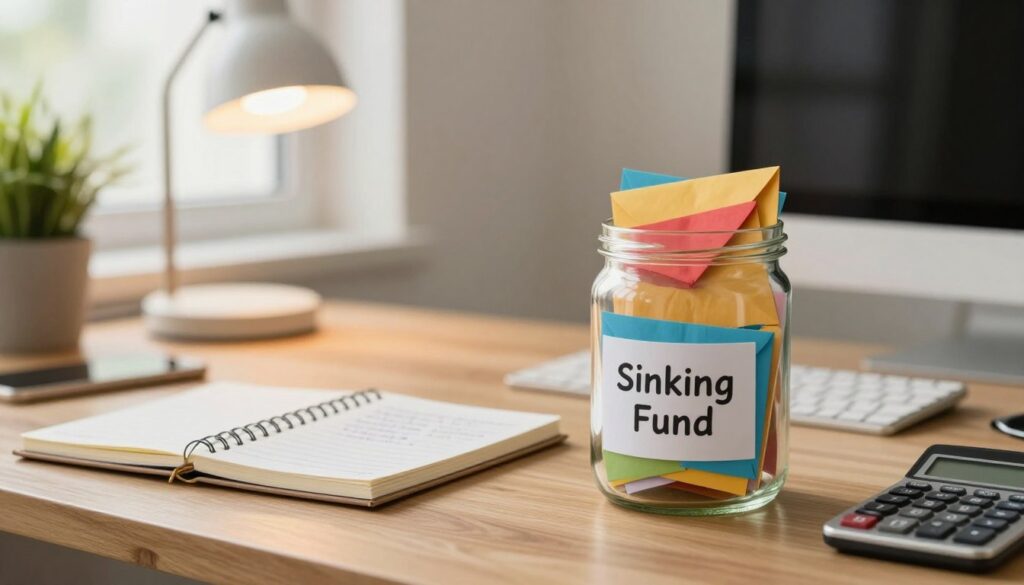
Selecting the Right Accounts for Your Goals
Picking the right place for savings makes reaching goals faster and clearer. Match each goal with an account that fits your timeline, access needs, and budget.
Utilizing High Yield Savings Options
Take advantage of high-yield savings and money market accounts to earn more interest while keeping cash liquid. These accounts let you grow money for a vacation or car repair without locking it away.
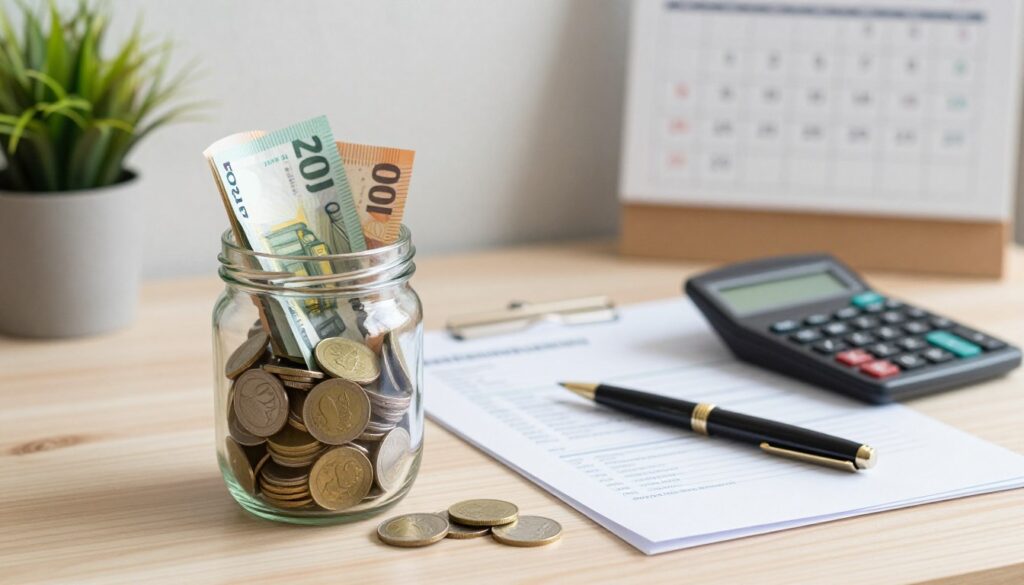
Organizing Your Tracking System
Keep things simple. Use labeled savings account buckets or subaccounts inside one bank. If you have multiple goals, a clear system prevents overspending and helps move money toward each goal.
Automating Your Monthly Contributions
Automate transfers so deposits happen each payday. This method removes guesswork and makes steady progress toward financial goals.
- Use checking for day-to-day spending and separate accounts for planned expenses.
- Try Vacation Club or Christmas Club accounts for seasonal purchases.
- Contact Spero member services for help with a budget and digital tools that keep funds on track.
Ready to start sinking fund? Choose the account that fits your plan and set regular moves. Small steps add up over time.
Conclusion: Achieving Financial Freedom Without Guilt
Close this guide with a simple plan that keeps goals within reach and without guilt.
Use a sinking fund to break large costs into doable steps. This advantage keeps your budget steady and lets you meet each goal without stress.
Many people take advantage of these sinking funds when saving for a vacation or a new car while also chipping away at debt. Dedicated funds in one labeled account protect your savings and your peace of mind.
Start small, track progress, and watch how money moves toward each goal. For frugal tips and setup ideas, visit frugal savings guide.
FAQ
What purpose do sinking funds serve in a personal budget?
How do I set up a sinking fund with my checking and savings accounts?
How much should I put aside each month for a big purchase?
FAQ
What purpose do sinking funds serve in a personal budget?
Sinking funds let you set aside money for planned expenses—like vacations, car repairs, or holiday gifts—so you avoid surprise charges or credit card debt. By breaking big costs into small monthly amounts, you smooth cash flow and keep your budget steady.
How do I set up a sinking fund with my checking and savings accounts?
Open a separate savings account for each goal or use subaccounts with banks such as Ally, Capital One, or Discover. Transfer a fixed amount from checking after payday so contributions feel automatic. Label each account clearly: “Car Maintenance,” “Holiday Gifts,” or “Emergency Car.”
How much should I put aside each month for a big purchase?
Divide the total target by the number of months until the purchase. For example, a
FAQ
What purpose do sinking funds serve in a personal budget?
Sinking funds let you set aside money for planned expenses—like vacations, car repairs, or holiday gifts—so you avoid surprise charges or credit card debt. By breaking big costs into small monthly amounts, you smooth cash flow and keep your budget steady.
How do I set up a sinking fund with my checking and savings accounts?
Open a separate savings account for each goal or use subaccounts with banks such as Ally, Capital One, or Discover. Transfer a fixed amount from checking after payday so contributions feel automatic. Label each account clearly: “Car Maintenance,” “Holiday Gifts,” or “Emergency Car.”
How much should I put aside each month for a big purchase?
Divide the total target by the number of months until the purchase. For example, a $1,200 expense over 12 months needs $100 monthly. Adjust if your timeline changes or you find higher-yield options that speed growth.
Can sinking funds help me avoid taking on new debt?
Yes. Funding goals ahead of time reduces reliance on credit cards or loans for known expenses. Consistent saving builds discipline and prevents interest charges that come with borrowing.
Should I use a high-yield savings account or keep funds in checking?
High-yield savings accounts offer better interest and still allow easy access. Keep emergency cash in a no-penalty high-yield account and use checking only for everyday spending. Consider online banks like Ally or Marcus for competitive rates.
How do I organize multiple sinking funds without confusion?
Use clear labels and a tracking spreadsheet or an app like YNAB or EveryDollar. Create columns for goal amount, current balance, monthly contribution, and target date. Review monthly to stay on course.
Is automating monthly contributions a good strategy?
Absolutely. Set up automatic transfers right after payday so contributions happen before you can spend them. Automation reduces decision fatigue and keeps momentum toward goals.
Can sinking funds be used while paying off debt?
Yes. Balance priorities by funding small sinking funds for predictable expenses while aggressively tackling high-interest debt. This prevents future setbacks and helps you avoid new borrowing.
What’s the best method for adjusting a sinking fund when goals change?
Recalculate the monthly amount based on the new timeline or target. Shift funds between goals if priorities shift. Keep changes logical—avoid frequent tweaks that undermine progress.
How do sinking funds reduce guilt around discretionary spending?
When money is earmarked for a specific purpose, spending from that pool feels intentional rather than impulsive. That clarity removes guilt and supports healthier financial habits.
Are sinking funds the same as emergency funds?
No. Emergency funds cover unexpected events like job loss or medical bills. Sinking funds target planned, known expenses. Maintain both: an emergency cushion plus dedicated savings buckets for regular costs.
,200 expense over 12 months needs 0 monthly. Adjust if your timeline changes or you find higher-yield options that speed growth.
Can sinking funds help me avoid taking on new debt?
Yes. Funding goals ahead of time reduces reliance on credit cards or loans for known expenses. Consistent saving builds discipline and prevents interest charges that come with borrowing.
Should I use a high-yield savings account or keep funds in checking?
High-yield savings accounts offer better interest and still allow easy access. Keep emergency cash in a no-penalty high-yield account and use checking only for everyday spending. Consider online banks like Ally or Marcus for competitive rates.
How do I organize multiple sinking funds without confusion?
Use clear labels and a tracking spreadsheet or an app like YNAB or EveryDollar. Create columns for goal amount, current balance, monthly contribution, and target date. Review monthly to stay on course.
Is automating monthly contributions a good strategy?
Absolutely. Set up automatic transfers right after payday so contributions happen before you can spend them. Automation reduces decision fatigue and keeps momentum toward goals.
Can sinking funds be used while paying off debt?
Yes. Balance priorities by funding small sinking funds for predictable expenses while aggressively tackling high-interest debt. This prevents future setbacks and helps you avoid new borrowing.
What’s the best method for adjusting a sinking fund when goals change?
Recalculate the monthly amount based on the new timeline or target. Shift funds between goals if priorities shift. Keep changes logical—avoid frequent tweaks that undermine progress.
How do sinking funds reduce guilt around discretionary spending?
When money is earmarked for a specific purpose, spending from that pool feels intentional rather than impulsive. That clarity removes guilt and supports healthier financial habits.
Are sinking funds the same as emergency funds?
No. Emergency funds cover unexpected events like job loss or medical bills. Sinking funds target planned, known expenses. Maintain both: an emergency cushion plus dedicated savings buckets for regular costs.
Can sinking funds help me avoid taking on new debt?
Should I use a high-yield savings account or keep funds in checking?
How do I organize multiple sinking funds without confusion?
Is automating monthly contributions a good strategy?
Can sinking funds be used while paying off debt?
What’s the best method for adjusting a sinking fund when goals change?
How do sinking funds reduce guilt around discretionary spending?
Are sinking funds the same as emergency funds?


