

We’ve all left an IKEA trip with a cart fuller than planned. A quick visit for a lamp or desk can turn into a string of surprise purchases. That pattern shows how a small impulse can cost real money and peace of mind.
This introduction looks at the reasons behind those urges. Marketing nudges, bright displays, and fast deals push feelings that lead to spending. Understanding the root causes is the first step toward change.
This guide will teach practical ways to curb impulse buying and reshape daily shopping habits. You’ll learn to spot triggers, pause before purchases, and build routines that protect savings. For related insight on earning and smart decisions, see a short look at affiliate marketing legitimacy.
Key Takeaways
- Recognize triggers that spark sudden purchases.
- Pause and name the feeling before you spend.
- Small habit shifts protect your money and calm.
- Design shopping lists and strict visit goals.
- Address root emotions, not just the symptom.
Understanding the Psychology of Impulse Purchases
A brief surge of pleasure often pushes people into purchases they later regret. That rush comes from a chemical reward system that rewards novelty and quick wins.

The Role of Dopamine
When someone spots a deal, the brain releases dopamine. This creates a short-lived high and speeds the decision process.
That chemical boost makes small treats feel important. Over time, repeated hits can shape habits that feel automatic.
External Triggers and Marketing
Retailers design every step of the shopping process to spark an urge. End-cap displays, bright signs, and free samples lure foot traffic.
One classic tactic is a low-cost lure item. A $1 hot dog draws people in, and many leave with far more. John Armstrong suggests asking if an item will add real value to life before buying.
“If an object will not make life better, don’t let a momentary thrill decide for you.”
| Trigger | Effect on People | Quick Fix |
|---|---|---|
| Novelty or sale tag | Raises dopamine, speeds choices | Pause and ask value question |
| Boredom or hunger | Increases poor financial decisions | Delay purchase, eat first |
| Store layout & samples | Encourages add-on purchases | Create a list and stick to it |
Identifying the Different Types of Unplanned Spending
Not all unplanned purchases look the same; they fall into distinct patterns that reveal why we reach for certain items.
Pure impulse buying is the classic example: a shopper grabs a candy bar at the checkout after a sudden craving. It’s fast, emotional, and often regretted.
Reminder impulse happens when a walk through a store triggers a memory of a need. Seeing batteries or a travel mug can spark a separate plan that wasn’t on your list.
Suggestion impulse comes from marketing. A compelling display or ad convinces you to try sparkling water instead of your usual soda. That nudge can feel practical at the moment.
Planned impulse is different: you wait for a sale on an item you already considered, then buy when the price drops. It blends planning with a timed trigger.

Recognizing these four types helps you name patterns and build small strategies for each. For related business tips and selling strategies, check this dropshipping guide.
How to Stop Impulse Buying Online Effectively
Small changes in your account settings can add meaningful pause before a purchase. These simple steps build friction and give you time to decide. They fit into daily routines and protect your budget without drama.

Removing Stored Payment Information
Delete saved cards from major store accounts and payment wallets. Without a one-click option, you must re-enter details. That extra step often stops an impulsive purchase.
Unsubscribing from Promotional Emails
Unsubscribe from frequent retailer lists and mute deal-focused newsletters. Less promotional content in the inbox means fewer sudden urges.
If a favorite brand still matters, keep alerts only for major events.
Using Shopping Lists
Carry a clear list for essentials and planned products. A physical or digital list keeps focus and reduces wandering into tempting categories.
- Remove shopping apps from your phone so logging in becomes deliberate.
- Create a short pre-checkout checklist: need, budget, wait. That barrier helps prevent regret.
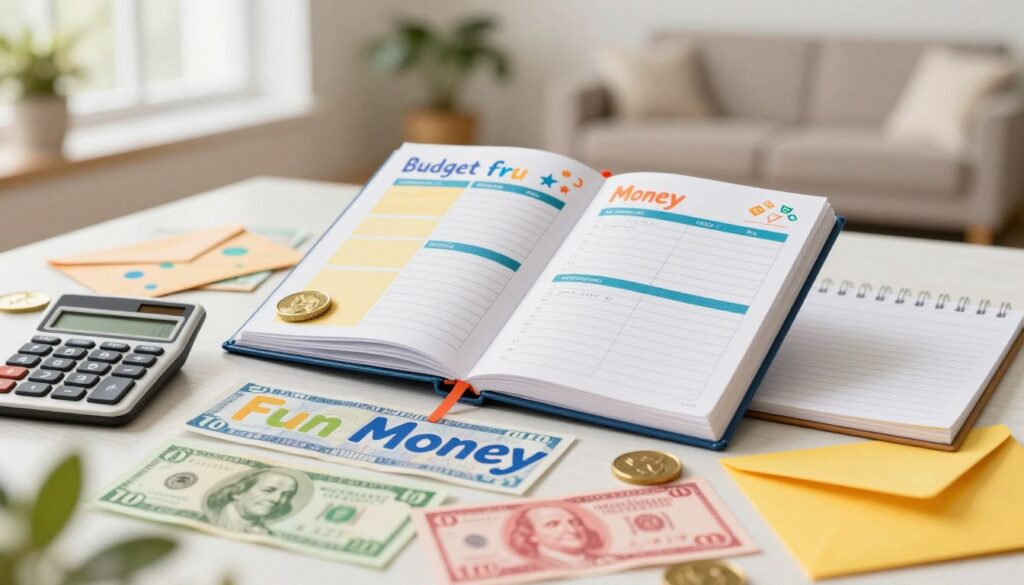
Creating a Budget That Includes Fun Money
Give your wallet room to breathe by budgeting joy as a regular expense. A simple, named line for fun means you can enjoy treats while still hitting bigger goals.
Pay yourself first. Move a set amount into savings right when you get paid. That makes progress toward long-term financial goals automatic.
When your weekly spending plan lists both essentials and a small fun allowance, you are less likely to raid emergency savings for non-essentials. A clear plan cuts emotional choices at the checkout.
Try using physical cash for discretionary purchases. Holding bills gives a tactile sense of value and stops mindless purchases faster than cards.
- Set a monthly fun-money number and track it.
- Label that amount in your main budget so it counts, not hides.
- Adjust the figure when your goals or income changes.
These small tips keep control without guilt. For more on planning a balanced financial life, visit smart money planning.
Implementing Time-Based Barriers to Curb Spending
A simple waiting rule can turn a rash click into a deliberate choice. Short delays add mental space and make financial decisions more rational.
The Twenty-Four Hour Rule
Try a mandatory 24-hour hold for any purchase over $100. This pause gives you a clear moment to compare an item against your long-term goals and planned savings.
Most people report that the urge fades after a day. The immediate desire often proves weaker than the calm judgment that follows.
- Note the item, price, and card or account used.
- Wait 24 hours before revisiting the listing or checkout page.
- Check alignment with monthly goals and available credit.
Tracking every transaction on your credit card helps prevent balance surprises. Reviewing accounts regularly keeps spending within limits and protects credit health.

| Action | Benefit | Quick check |
|---|---|---|
| 24-hour wait for > $100 | Reduces regret and unneeded spending | Will I still want this tomorrow? |
| Log item and payment card | Makes tracking easier across accounts | Which card and what limit? |
| Compare with goals and savings | Protects long-term plans and emergency funds | Does this fit my budget? |
| Review account activity weekly | Spots patterns and prevents overspend | Any repeat urges or weak links? |
This simple step is an effective way to curb impulse buying and keep financial health on track. For more budgeting tips, see ways to save money.
Leveraging Retroactive Intentionality for Past Mistakes
Not every spontaneous spend must stay a mistake; some can be repurposed into lasting value. Retroactive intentionality means choosing a new purpose for an item after a sudden purchase.
For example, a $60 set of gymnastic rings that sat unused can become a daily fitness tool. That small shift turned clutter at home into a habit that improved life and fitness.
Try this simple step: list the item, name one practical use, and schedule a two-week trial. If the rings get three uses a week, they count as a win for both goals and savings.

Avoid social media pressure and shopping apps that nudge you to buy something new. Track progress on a short list and celebrate small habit wins.
Every small action that repurposes an item reshapes spending habits. Over time, this way builds better financial goals, protects savings, and makes past purchases work for your life.
Building Better Shopping Habits for Long-Term Success
Small, repeatable habits are the backbone of long-term control over impulse buying. Start with one clear rule and make it routine.
Research finds the average person spends $151 per month on unplanned purchases. That adds up and can derail savings and long-term goals.

Set a simple weekly budget for fun money and use cash when possible. Holding bills makes spending feel real and slows fast decisions.
Use a rewards card like the Citi Double Cash Card for necessary purchases, but don’t let points justify extra spending. Rewards help, they do not replace a plan.
- Plan shopping trips and avoid the store when tired or emotional.
- Try a short no-spend challenge and reuse items at home.
- Review monthly statements and track patterns in spending.
These simple tips help people regain control of money and align purchases with real goals. For tools and services that support a long-term selling or store strategy, see online store development.
Conclusion
Small choices made daily shape whether purchases match values or whims. Set a simple budget that allows for one or two intentional treats and you will buy with purpose, not pressure.
Give yourself a short pause before checkout. That brief break buys time and helps you compare items, the store pitch, and real need. Over weeks, these tiny acts cut wasted spending and build steady savings.
It is normal for people to struggle with sudden urges. With clear rules, a bit of cash for fun, and small routines, you can save money and enjoy life while keeping spending aligned with long-term goals.
FAQ
What triggers sudden purchases and why do they feel so rewarding?
Which kinds of unplanned spending should I watch for?
What are simple steps I can use right now to reduce impulse purchases?
Is it okay to include "fun money" in a budget?
How does a time delay help prevent regretful purchases?
What is retroactive intentionality and how can it fix past mistakes?
How do I build long-term shopping habits that protect my money?
Can I still shop online without losing control over my finances?
What apps or tools help manage spending and prevent impulsive buys?
How can social media habits influence my purchasing behavior?


