

Affiliate marketing sits at the heart of modern digital marketing. It lets publishers, influencers, and brands work together so content keeps converting and sales grow over time.
This guide explains the ecosystem, payment models, tools, and conversion tactics you need to scale. You’ll learn how to match the right product with the right audience to build trust and steady revenue.
U.S. investment in this space is rising, creating more opportunity for creators and businesses that focus on useful content and honest product picks. With a clear strategy, disciplined testing, and consistent effort, passive income becomes a realistic outcome.
Key Takeaways
- Understand performance-based pay: leads, clicks, installs, or sales.
- Choose offers that match your audience to boost conversions.
- Use evergreen content and tracked links for long-term earnings.
- Combine SEO, email, and social to increase visibility and trust.
- Measure metrics and test consistently to avoid common pitfalls.
What Is Affiliate Marketing and Why It Works Today
This model rewards creators who drive real customers to brands through tracked links. In plain terms, a publisher promotes a brand’s products or services and earns a commission when a customer buys, signs up, clicks, or installs via that link.
Who plays a role? The seller (merchant) owns the product and handles fulfillment. The publisher or influencer crafts content and sends traffic. Networks connect both sides for easier tracking, discovery, and payments.

Why it works now: Brands want measurable growth at lower acquisition costs. Trusted creators bring targeted audiences and helpful reviews that reduce friction and boost sales.
U.S. spend on this channel reached $9.56B in 2023 and is forecast to near $12B by 2025, showing strong adoption and plenty of product offers for creators to promote.
- Passive income appeal: Evergreen guides and videos can keep ranking in search engines and drive purchases long after publishing.
- Trust matters: Honest reviews and clear FTC disclosures protect credibility and compliance.
For examples of sites that use this model well, see real website examples.
Understanding the Affiliate Ecosystem Before You Start
Before you pick a niche, it’s important to map who does what in the ecosystem that connects creators, sellers, and buyers.
The seller, the publisher, and the consumer
Sellers range from solo entrepreneurs to large enterprises. They create products or services and set terms for an affiliate program. Sellers handle fulfillment and merchant support like creatives and product feeds.
Publishers (the people who promote offers) craft content, reviews, and distribution plans. They define an audience and pick products that match that audience to keep trust high.
Customers decide based on perceived value and trust. Clear, honest recommendations convert better and reduce refunds.
Where networks like Amazon Associates and ClickBank come in
Networks connect the dots. They give centralized access to many programs, standardized tracking, dashboards, and consolidated reporting.

Advantages of joining a network include faster onboarding, vetted merchants, reliable payments, and promotional assets. Popular US platforms: amazon associates for wide product catalogs, ClickBank for digital offers, and CJ or ShareASale for diverse verticals.
“Dashboards make link creation and EPC monitoring simple, so you can focus on content.”
Always add a clear FTC disclosure so customers know about your relationship. With the ecosystem understood, you can pick a niche and primary channel with confidence. For quick access to tools and links, see useful affiliate links.
Set Your Foundation: Pick a Profitable Niche and Channel
Choose a narrow topic you enjoy and an audience you can help; that focus saves time and speeds growth.
Start by brainstorming niches that sit at the intersection of your interest and real buyer need. Use Google Trends and keyword tools to spot demand. Look for areas that are sizable but not saturated.
Validate demand with keyword intent research and audience conversations. Check forums, product reviews, and social comments to learn common pain points.
Pick a primary channel that fits the product and audience
Website/blogs work best for long-form reviews, comparisons, and SEO-driven traffic.
YouTube shines for demos and hardware show-and-tell. Short-form on TikTok or Instagram helps discovery and fast engagement.
Email remains essential for nurturing, launches, and repeat promotions. Capture subscribers with honest lead magnets and clear consent.
“Focus on one primary channel first. Momentum comes from consistent effort.”
| Channel | Best for | Setup notes |
|---|---|---|
| Website / Blog | In-depth guides, SEO, software reviews | Fast hosting, clear headings, schema |
| YouTube | Demos, unboxings, tutorials | Good audio/video, timestamps, CTAs |
| TikTok / Instagram | Discovery, trends, short demonstrations | Vertical video, quick hooks, frequent posting |
| Nurture, launches, repeat offers | Simple opt-ins, welcome series, segmentation |
Map audience personas and use cases so your messaging hits motivations, not just features. Build a lightweight content plan: reviews, tutorials, and comparisons that answer buyer questions.

Monetization fit matters: some products convert better via video, others need long-form written proof. Test, track, and refine over time to improve conversions and sales.
Affiliate Marketing Strategies You Can Implement Right Now
Start with simple, repeatable actions that turn helpful content into measurable sales. Begin by publishing at least twenty well-researched pieces: reviews, comparisons, and FAQs that answer buyer questions.

Content that converts
Write clear product reviews and side-by-side comparisons. Add tutorial steps that show real use cases.
SEO to drive traffic
Target long-tail keywords and match search intent. Optimize titles, headers, and internal links so search engines and readers find your best pages.
Social, influencers, and email
Repurpose highlights into short-form social posts and partner with niche creators for credibility.
Build an email sequence to promote launches and seasonal offers. Newsletters keep customers returning.
Offers, collaborations, and multi-source promotion
Test coupons and bundles to reduce abandonment and track performance. Try co-branded content and giveaways to reach new audiences.
Use webinars, focused microsites, and earned placements on larger sites to expand reach.
Place affiliate links naturally inside comparisons, tutorials, and resource pages. Take time to test headlines, CTAs, and offers; compound results grow over months.
Choose the Right Affiliate Payment Model
Your choice of payout model determines whether you chase clicks, sign-ups, sales, or installs. Pick the model that fits your audience, channel, and the product life cycle.

Pay per sale: maximizing commission per sale
Best for: revenue-focused partners promoting high-conversion products.
Trade-off: higher commission often requires strong reviews, demos, and trust to close sales.
Pay per click: when traffic generation is the goal
Best for: publishers with scalable traffic who monetize visits rather than purchases.
Requires quality traffic to avoid low EPC and rising CPA.
Pay per lead: optimizing for sign-ups and trials
Works well for list growth, trials, and SaaS funnels. Use it during launches or when audience intent is early-stage.
Pay per install: apps and software opportunities
Ideal for mobile and desktop apps. Track installs and retention, since refunds or uninstalls can affect payouts.
“Track CPA and EPC closely—these metrics tell whether a program truly pays for your effort.”
| Model | When to Use | Key Metric |
|---|---|---|
| Per Sale | Reviews, deep tutorials, comparison posts | Commission %, conversion rate |
| Per Click | High-traffic pages, top-of-funnel discovery | EPC, CTR |
| Per Lead | Webinars, gated downloads, trials | CPA, lead quality |
| Per Install | App listings, software demos | Installs, retention |
Model your expected earnings and check cookie windows and program terms before committing. Test multiple offers and document results in a dashboard. For step-by-step ideas on turning this into an affiliate side hustle, start with lead offers and scale to pay per sale once conversion rates are steady.
Optimize Your Site and Funnels for Conversions
Visitors decide in seconds; your site must make the next step obvious and simple.
Frictionless UX: speed, navigation, and mobile-first design
Prioritize speed. Fast pages keep trust and lower bounce rates.
Design for mobile first so navigation feels natural on small screens.
Landing pages, product messaging, and clear affiliate disclosures
Create focused landing pages with clear headlines, value props, social proof, and a single CTA.
Use concise product messaging that answers what it is, who it helps, why it matters, and how to buy.
Disclosures must be obvious. Place a short statement near promotions and links so customers see it before they click.

Use multimedia—images, short videos, and step visuals—to show benefits and keep visitors engaged.
| Element | Why it matters | Quick fix |
|---|---|---|
| Page speed | Reduces abandonment, improves trust | Compress images, enable caching |
| Landing page focus | Aligns message to visitor intent | One CTA, clear headline, social proof |
| Product messaging | Helps customers decide faster | Use bullets: what, who, why, next step |
| Tracking & disclosure | Measures results and keeps compliance | Install analytics, show clear notice |
- Add small microcopy near affiliate links so users know where they go.
- Capture emails with a useful checklist to recover visitors who are not ready to buy.
- Continuously A/B test headlines, CTAs, and proof to lift conversions over time.
For program-level context and data, review recent affiliate program stats to prioritize offers that convert well.
Select and Join High-Quality Affiliate Programs
Picking the right programs is the difference between steady revenue and wasted effort.
Evaluate offers by commission rates, EPC trends, cookie length, and available creatives. Look for clear reporting and a responsive partner manager.
Relevance beats raw commission: choose products that match your niche and audience to lift conversion and lifetime value.
Evaluating commission, EPC, cookie windows, and support
“Track EPC and cookie windows before prioritizing an offer — they tell you what your traffic will realistically earn.”
- Commission structure and recurring vs one-time payments.
- EPC comparisons across similar products to prioritize high-earning offers.
- Cookie duration tied to purchase cycle; longer windows help high-consideration buys.
- Creative assets, promo calendars, and dedicated support from program managers.

Top programs and networks to consider in the US market
| Network / Program | Why it matters | Best for | Notes |
|---|---|---|---|
| Amazon Associates | Mass product catalog, easy setup | Product reviews, comparison posts | Low fees on some categories; strong conversion |
| CJ / ShareASale | Wide brand selection, reliable tracking | Niche bloggers, publishers | Good partner support and creatives |
| ClickBank / Awin | Digital products & global reach | Info products, subscriptions | High commissions, variable EPCs |
| eBay / Etsy / FlexOffers | Specialty marketplaces and feeds | Handmade, niche goods, product feeds | Useful for contextual links and banners |
Start with a few quality programs, document performance by program, and build relationships with managers to unlock better rates and exclusive offers.
Tools and Dashboards to Run Smarter Campaigns
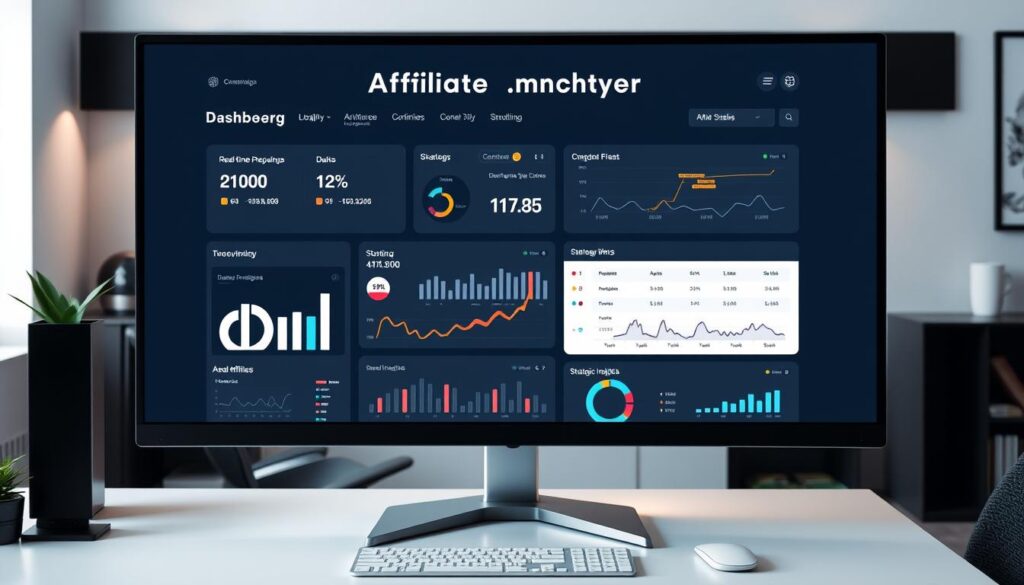
Good tools make testing and scaling predictable. Use a central dashboard to generate links, monitor payouts, and compare performance across programs and channels.
All-in-one platforms, tracking, and integrations
Choose platforms that centralize tracking, link creation, and reporting so you can compare offers and traffic in one place. Prefer systems that integrate with your website, email provider, and analytics stack to cut manual updates and close data gaps.
Marketing automation and analytics for scaling what works
Automate behavior-based email sequences to nurture subscribers and recommend products at the right time. Use analytics to track EPC, CTR, conversion rate, and AOV so you know which pages and campaigns deserve more budget.
- Mobile compatibility: ensure tools and landing pages load fast on phones.
- Repeatable workflows: use UTMs, templates, and a link library for reuse.
- Alerts & support: set notifications for EPC drops and work with program managers to fix issues fast.
Start small, then scale. Build a testing cadence, document wins, and expand top-performing content and products into new channels and audiences.
Build Trust and Stay Compliant
Clear disclosure and honest recommendations are the foundation of long-term audience trust.
Follow FTC rules by placing disclosures close to every endorsement, whether in a blog, video description, or social post.
Use simple language like: “I earn a commission if you buy through my links.” Put that text near the link or CTA so customers see it before clicking.
FTC disclosures that are clear and conspicuous
Disclosures must be obvious and not buried in a footer or privacy policy.
Place them at the top of a review, beside a product link, or within the first two lines of a social post or video description.
Example placements:
- Inline before the first affiliate link in an article.
- On-screen text in videos during an endorsement.
- At the start of social captions and pinned comments.

Make it personal: rapport, relevance, and product fit
Recommend products you’ve tested or that clearly match your niche and audience needs.
Share short examples of how a product solved a real problem for you or a customer.
Invite feedback and ask readers which products they want reviewed next to keep content relevant and human.
“Honesty wins: recommend a handful of well-vetted products rather than every trending item.”
Keep a simple compliance checklist that you review regularly: disclosures, data capture consent, and link labeling.
| Area | Action | Why it matters |
|---|---|---|
| Disclosure text | Place near links and CTAs; use plain wording | Ensures FTC compliance and transparency |
| Content fit | Recommend products tested or vetted for your audience | Builds trust and reduces returns |
| Social engagement | Answer questions, admit limits, guide choices | Strengthens rapport and repeat visits |
| Policy review | Update disclosures and permissions periodically | Keeps practices current with platforms and rules |
For a deeper look at how to state legitimacy and protect your readers, see is affiliate marketing legit.
Measure, Improve, and Scale Your Affiliate Business
Start with a short list of KPIs and track them consistently so you can spot trends fast.
Key metrics to watch: EPC shows earning power per click, CPA reveals cost efficiency, CTR measures initial engagement, conversion rate shows persuasion, and AOV reveals monetization depth.

Turn data into tests and wins
Set program benchmarks by offer so you compare like with like. Log baseline EPC and conversion rate for each product and page.
Build a testing roadmap: try different headlines, CTAs, thumbnails, and promos. Expand winning creatives to other channels and products.
- Double down on high-EPC offers and scale formats that convert best.
- Match payment models to your strengths: pay per sale for review-heavy content, pay per click for traffic-focused pages, pay per lead for trials and opt-ins.
- Segment content for distinct audience intent to lift CTR and conversions.
Track, document, and balance growth
Use a central dashboard to tag campaigns, record results, and compare programs side by side.
Balance exploration and exploitation: reserve time for new experiments while scaling proven winners. Track seasonality and tune your calendar around peak buying moments.
“Expect improvements to take time; compounding gains from better offers, stronger content, and smarter distribution fuel sustainable growth.”
Define what a successful affiliate outcome means for you—income goals, niche authority, or hours worked—and scale toward that target. For a practical starter guide, see affiliate marketing for beginners.
Conclusion
Small, consistent improvements compound into meaningful passive income over months. Recap the journey: understand the ecosystem, pick a focused niche and primary channel, and publish helpful content that answers real buyer questions.
Keep practices ethical and clear—use plain disclosures and honest reviews to protect your brand and audience trust. Start with one or two programs, measure EPC, CTR, and conversion, then iterate your campaigns based on data.
Payment models and commission terms vary; pick what fits your strengths and diversify as you grow. Use dashboards and tools to make faster decisions and scale what works.
First step: publish one in-depth product review this week, promote it across your main channel, and set up tracking to learn. Be patient—real results take time, but this process is repeatable and scalable. For a simple starter course, see affiliate marketing for beginners.
FAQ
What are the most effective ways to start earning with affiliate programs?
How do affiliates, merchants, networks, and customers work together?
Is this model still growing in the United States and why do people pursue passive income?
What should I know about the seller, the publisher, and the consumer before I start?
How do networks like Amazon Associates and ClickBank fit into the ecosystem?
How do I validate demand and pick a profitable niche?
Which channel should I choose: website, YouTube, TikTok, Instagram, or email?
What types of content convert best for product promotion?
How can SEO help me drive consistent traffic?
How should I use social media and influencers to amplify reach?
What role does email play in running offers and launches?
Do coupons, bundles, or discounts actually increase conversion rates?
When should I consider collaborations or cross-promotions with other brands?
What are some multi-source promotion tactics I can use?
How do the different payment models compare: pay-per-sale, pay-per-click, pay-per-lead, and pay-per-install?
What UX and funnel elements most improve conversion rates?
How do I evaluate an offer or program before joining?
Which programs and networks are worth considering in the U.S. market?
What tools help run smarter campaigns and track performance?
How do I stay compliant with FTC rules and build trust?
What key metrics should I monitor to grow revenue?
How long does it take to see meaningful income from this work?


