

Creating a cash cushion brings calm when life surprises you. Bankrate’s 2024 Annual Emergency Fund Report notes that accessible savings help households stay stable during sudden costs.
Start with a clear, modest goal and set aside a bit of each paycheck. Small, steady steps add up and keep spending shocks from derailing monthly plans.
Think of this reserve as dedicated money for unplanned events. A focused plan makes saving feel practical, not punishing.
Keep your reserve reachable so you can use it when needed without delays. With a simple routine and realistic targets, you can grow your savings and protect your household.
Key Takeaways
- Bankrate 2024 emphasizes having accessible cash for stability.
- Set a clear savings goal to stay motivated.
- Start small and save a portion of each paycheck.
- Keep the reserve in a place you can access quickly.
- Consistent, simple habits lead to reliable protection.
Understanding the Importance of an Emergency Fund
A dedicated cushion of savings stops small shocks from becoming big crises. Financial shocks, like sudden job loss or medical bills, demand cash fast. Without set-aside money, recovery becomes harder.
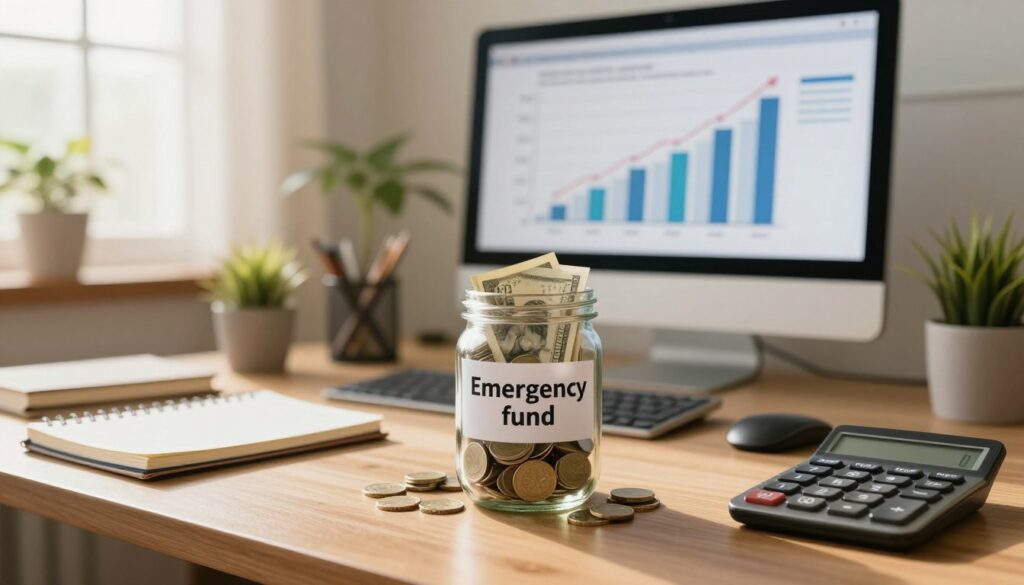
Why You Need a Financial Safety Net
Immediate access to cash prevents tapping retirement accounts or long-term investments. That preserves future security and keeps your long-term goals on track.
Protecting Against Unexpected Expenses
Unexpected expenses such as car repairs or home maintenance can wipe out a monthly budget. Relying on credit cards often leads to high-interest debt that lingers.
“Research shows those without savings struggle more after a sudden loss of income.”
- Security: A robust fund reduces the urge to borrow at high rates.
- Preserve retirement: You avoid early withdrawals that hurt long-term wealth.
- Recover faster: Savings help you bounce back from income loss or large bills.
Protecting your future means preparing for unexpected expenses today. Small, steady contributions build a fund that keeps debt and stress at bay.
How to Build an Emergency Fund Quickly
Small, repeated actions make the clearest path from zero balance to a reliable reserve.

Start by naming the amount you need based on past unexpected bills. Track common costs and pick a realistic target. A steady saving habit is the fastest way for the total balance to grow.
Automate contributions so transfers happen without thinking. Automation is a proven way to keep adding to your savings each pay period.
| Step | Action | Typical Result |
|---|---|---|
| 1 | Set a target amount | Clear goal for planning |
| 2 | Automate deposits | Consistent growth |
| 3 | Use a planner tool | Estimate time to reach goal |
It takes time and discipline. Even small deposits add up. If you need guidance, try a savings planner or visit this savings guide for practical steps.
“Investment products may not be FDIC insured and could lose value over time.”
Setting Achievable Savings Goals
Start with a single, realistic target and let small wins guide your next steps.
Experts suggest aiming first for one month of expenses rather than three months worth at once. That short-term goal fits most pay cycles and keeps progress visible.

Breaking Down Large Targets into Smaller Milestones
Set small checkpoints that match your daily life. Reaching a one month goal gives clear momentum and reduces stress.
Smaller milestones make regular savings feel practical. Once you clear the first goal, raise the next target a bit and keep the habit going.
- Make each goal short and measurable so motivation stays high.
- Keep the reserve visible but separate from everyday accounts.
- Avoid letting monthly spending creep up as balances grow.
“Reaching a simple, one month target often leads people to aim for three months.”
For extra guidance, review practical saving tips that match realistic goals for your life.
Managing Your Cash Flow for Better Results
Tracking when money arrives and when bills are due makes saving feel manageable. A clear view of cash each month helps find pockets of extra savings that can move into your emergency fund.
Actively log paycheck dates and major expenses. This simple habit reveals weeks when extra cash exists. Use that insight to shift small amounts into a separate savings account.
Adjust bill dates with utilities or your landlord so due dates align with paydays. That prevents shortfalls and frees small sums for savings without cutting essentials.

If you live paycheck to paycheck, focus on timing first. Even modest changes in when bills are paid can create room for regular deposits. Every planned move reduces the chance that a sudden expense will derail your month.
| Action | Benefit | Typical Result |
|---|---|---|
| Track income and bills | Clear visibility of cash timing | Identify saving windows within the month |
| Shift due dates | Align bills with paychecks | Fewer shortfalls and less stress |
| Move small sums weekly | Consistent savings growth | Builds a practical emergency reserve |
“Using available cash wisely ensures you are not running short at the end of the week or the month.”
For extra tactics and practical tips on saving more money, check this guide: money-saving tips.
Automating Your Contributions for Consistency
Automating contributions makes saving steady and removes a lot of daily decision stress.

Set up recurring bank transfers from your checking into a separate savings account. Small, regular moves add up and keep the savings habit alive without extra effort.
Setting Up Recurring Bank Transfers
Most banks let you schedule weekly or monthly transfers. Pick an amount that fits your cash flow and start with a modest figure you can keep.
Utilizing Employer Direct Deposit
Ask payroll to split your paycheck deposit between checking and a separate account. This is a simple way to pay yourself first before you spend.
Avoiding Overdraft Risks
Watch your checking balance and enable low-balance alerts. Automatic transfers are helpful, but overdraft fees can erase progress fast.
| Method | Benefit | Action |
|---|---|---|
| Recurring transfer | Consistent growth | Schedule weekly or monthly |
| Direct deposit split | Pay yourself first | Set payroll allocation |
| Separate card or account | Out of sight, less spending | Use prepaid card or savings account |
Tip: Turn on notifications or calendar reminders. A quick check keeps transfers smooth and helps protect your progress.
Choosing the Right Place for Your Savings
Where you park savings affects how fast you can respond when life interrupts plans.
A bank or credit union account is usually the safest spot for ready access. It keeps funds insured and allows quick transfers or withdrawals.
Many savings accounts offer low rates of interest. If you want a bit more yield, consider a money market fund (MMF). MMFs that hold cash or government securities aim to preserve value at $1.00 per share.
Prepaid cards can store emergency cash, but they are not the same as a traditional bank account. Read fees and reload rules before you rely on one.

Keeping physical cash at home is an option, yet it risks loss, theft, or fire. Make sure the place you choose is not easy to raid for everyday spending.
- Pick an account that limits impulse withdrawals.
- Match access speed with the level of security you need.
- Compare interest and fees before moving funds.
For a quick review of suitable savings options, see savings options.
Knowing When to Use Your Emergency Funds
Deciding what counts as a real emergency keeps savings for the right moments.
Set clear rules for yourself. List true emergencies such as major medical bills not covered by insurance, sudden job loss, or urgent car repairs that stop you from working.
Avoid using reserves for routine monthly bills or lifestyle upgrades. If you must use a credit card for a crisis, understand that interest and fees can make the cost much higher and increase long-term debt risk.
“Use savings when you truly need them; that is their purpose.”
If you spend down savings, rebuild them with the same steady habits you used before. Regular small deposits and automatic transfers restore protection over time.
| Situation | Use Savings? | Why |
|---|---|---|
| Medical bill not covered by insurance | Yes | Avoid high-interest credit and preserve credit score |
| Routine subscription or utility | No | Manage with budget or short-term adjustments |
| Major car repair needed for work | Yes | Prevents loss of income and larger expenses later |
Conclusion
Simple, repeatable steps turn scattered dollars into reliable protection.
Building a strong emergency fund takes time and steady discipline. Set a clear goal and automate deposits so progress happens without extra effort.
Each dollar you save defends your money against sudden costs and adds real security. Aim for three months worth of expenses, then shift focus toward retirement contributions.
Celebrate milestones and keep habits that match your life. For practical ideas on saving more, visit this best way to save money.
FAQ
What is the quickest way to start an emergency savings account?
How much should I aim for in my safety net?
Can I keep emergency money in my checking account?
Should I pay down debt or save first?
FAQ
What is the quickest way to start an emergency savings account?
Open a high-yield savings account at a reputable bank like Ally or Marcus, set a small weekly deposit from your paycheck, and cut one nonessential subscription. Small, steady deposits add up faster than occasional large transfers.
How much should I aim for in my safety net?
Aim for three to six months of essential living expenses—rent or mortgage, utilities, groceries, insurance, and loan payments. If you work freelance or have variable income, consider six months or more for extra security.
Can I keep emergency money in my checking account?
You can, but a separate savings account reduces the temptation to spend and often earns more interest. Keeping funds separate also helps with budgeting and avoids overdraft fees.
Should I pay down debt or save first?
Start with a small, accessible cushion—0 to
FAQ
What is the quickest way to start an emergency savings account?
Open a high-yield savings account at a reputable bank like Ally or Marcus, set a small weekly deposit from your paycheck, and cut one nonessential subscription. Small, steady deposits add up faster than occasional large transfers.
How much should I aim for in my safety net?
Aim for three to six months of essential living expenses—rent or mortgage, utilities, groceries, insurance, and loan payments. If you work freelance or have variable income, consider six months or more for extra security.
Can I keep emergency money in my checking account?
You can, but a separate savings account reduces the temptation to spend and often earns more interest. Keeping funds separate also helps with budgeting and avoids overdraft fees.
Should I pay down debt or save first?
Start with a small, accessible cushion—$500 to $1,000—while making minimum debt payments. Then split extra cash: build savings and pay higher-interest debt simultaneously to balance liquidity and interest savings.
How do I set realistic monthly targets for my goal?
Calculate your essential monthly expenses, divide the target by the number of months you want to reach it, and round up. For example, a $6,000 goal over 12 months means $500 per month. Automate that amount so it’s consistent.
What’s the best way to automate contributions?
Use your bank’s recurring transfer feature or split direct deposit at work so a portion goes straight into savings. Automation keeps you consistent and reduces decision fatigue.
Are money market accounts or CDs better than a savings account?
Money market accounts often offer higher interest and limit withdrawals. Short-term CDs can yield more but lock funds for a set term. For emergency access, a high-yield savings account is usually the best balance.
When is it appropriate to use the emergency balance?
Use it for true financial shocks: sudden job loss, major car or home repairs, medical bills, or unexpected travel for family emergencies. Avoid dipping in for planned discretionary purchases.
How can I avoid overdraft or bank fees while saving?
Keep a buffer in checking, opt out of overdraft protection that triggers fees, and track your balance with mobile alerts. Schedule transfers after payday to ensure funds are available.
What if my income is irregular—how do I plan contributions?
Prioritize baseline months by saving a percentage of each paycheck rather than a fixed dollar amount. On higher-income months, move extra into savings. Use a rolling three-month average of income to set minimum contributions.
Can I use a credit card for emergencies instead of cash savings?
Relying on credit increases debt and interest costs. Use a card only for short-term, unavoidable costs if you can pay it off quickly. Ideally, combine a modest cash cushion with credit as backup.
How should I adjust my target after a major life change?
Recalculate essential expenses after events like marriage, a new child, or buying a home. Increase your target and pace if responsibilities rise, and consider adding 1–2 months worth of expenses for added protection.
What are simple ways to free up cash each month?
Trim recurring services you rarely use, meal prep to cut dining costs, negotiate bills like cable and insurance, and sell items you no longer need. Redirect those savings straight into your emergency account.
Is it okay to keep some emergency cash at home?
A small emergency stash ($100–$300) at home can help with immediate small needs, but most funds should stay in a secure bank account to earn interest and remain protected from loss or theft.
How often should I review my emergency savings strategy?
Review quarterly or after any major financial change. Check interest rates, adjust automated transfers, and update your target if expenses or income change. Regular reviews keep your plan on track.
,000—while making minimum debt payments. Then split extra cash: build savings and pay higher-interest debt simultaneously to balance liquidity and interest savings.
How do I set realistic monthly targets for my goal?
Calculate your essential monthly expenses, divide the target by the number of months you want to reach it, and round up. For example, a ,000 goal over 12 months means 0 per month. Automate that amount so it’s consistent.
What’s the best way to automate contributions?
Use your bank’s recurring transfer feature or split direct deposit at work so a portion goes straight into savings. Automation keeps you consistent and reduces decision fatigue.
Are money market accounts or CDs better than a savings account?
Money market accounts often offer higher interest and limit withdrawals. Short-term CDs can yield more but lock funds for a set term. For emergency access, a high-yield savings account is usually the best balance.
When is it appropriate to use the emergency balance?
Use it for true financial shocks: sudden job loss, major car or home repairs, medical bills, or unexpected travel for family emergencies. Avoid dipping in for planned discretionary purchases.
How can I avoid overdraft or bank fees while saving?
Keep a buffer in checking, opt out of overdraft protection that triggers fees, and track your balance with mobile alerts. Schedule transfers after payday to ensure funds are available.
What if my income is irregular—how do I plan contributions?
Prioritize baseline months by saving a percentage of each paycheck rather than a fixed dollar amount. On higher-income months, move extra into savings. Use a rolling three-month average of income to set minimum contributions.
Can I use a credit card for emergencies instead of cash savings?
Relying on credit increases debt and interest costs. Use a card only for short-term, unavoidable costs if you can pay it off quickly. Ideally, combine a modest cash cushion with credit as backup.
How should I adjust my target after a major life change?
Recalculate essential expenses after events like marriage, a new child, or buying a home. Increase your target and pace if responsibilities rise, and consider adding 1–2 months worth of expenses for added protection.
What are simple ways to free up cash each month?
Trim recurring services you rarely use, meal prep to cut dining costs, negotiate bills like cable and insurance, and sell items you no longer need. Redirect those savings straight into your emergency account.
Is it okay to keep some emergency cash at home?
A small emergency stash (0–0) at home can help with immediate small needs, but most funds should stay in a secure bank account to earn interest and remain protected from loss or theft.
How often should I review my emergency savings strategy?
Review quarterly or after any major financial change. Check interest rates, adjust automated transfers, and update your target if expenses or income change. Regular reviews keep your plan on track.
How do I set realistic monthly targets for my goal?
What’s the best way to automate contributions?
Are money market accounts or CDs better than a savings account?
When is it appropriate to use the emergency balance?
How can I avoid overdraft or bank fees while saving?
What if my income is irregular—how do I plan contributions?
Can I use a credit card for emergencies instead of cash savings?
How should I adjust my target after a major life change?
What are simple ways to free up cash each month?
Is it okay to keep some emergency cash at home?
How often should I review my emergency savings strategy?


