

Frugal here means choosing to spend less than you earn so you can pay off debt, build savings, and buy back time. This is a practical, everyday approach — not an extreme “live in a box” plan. It helps protect your finances and makes daily choices easier.
This short guide shares clear tips you can use this week and habits that pay off in the long run. You will see real examples and numbers when possible so the money impact is obvious.
We cover common categories like subscriptions, food planning, coffee habits, shopping control, buying used, clothes, transport, DIY maintenance, utilities, and yard costs. The goal is simple systems that make saving feel automatic and protect your time.
Key Takeaways
- Frugal means intentional spending to improve your life and reduce stress.
- Quick wins and compound habits both matter for lasting savings.
- Practical categories include subscriptions, food, shopping, and maintenance.
- Real numbers and examples show how choices translate to money saved.
- Simple systems keep saving automatic without being exhausting.
Why a frugal lifestyle works in the real world
Creating a consistent surplus between income and expenses turns ordinary months into financial progress. That steady gap becomes fuel for paying off debt, building an emergency fund, and investing for the future.
Spending less than you earn to build savings, pay off debt, and invest
The key idea is simple: every dollar left after bills and essentials is an opportunity. Use that extra cash to knock down high-interest debt first. Then direct the same amount into savings or retirement accounts.
More options with your time, work, and family life in the long run
Choosing smaller daily trades often buys freedom, not punishment. Many people find they can work fewer hours, quit overtime, or take a different job when pressure eases.
Less financial stress also gives you room to focus on family priorities and hobbies. Over a year and across years, these small choices compound into real options.
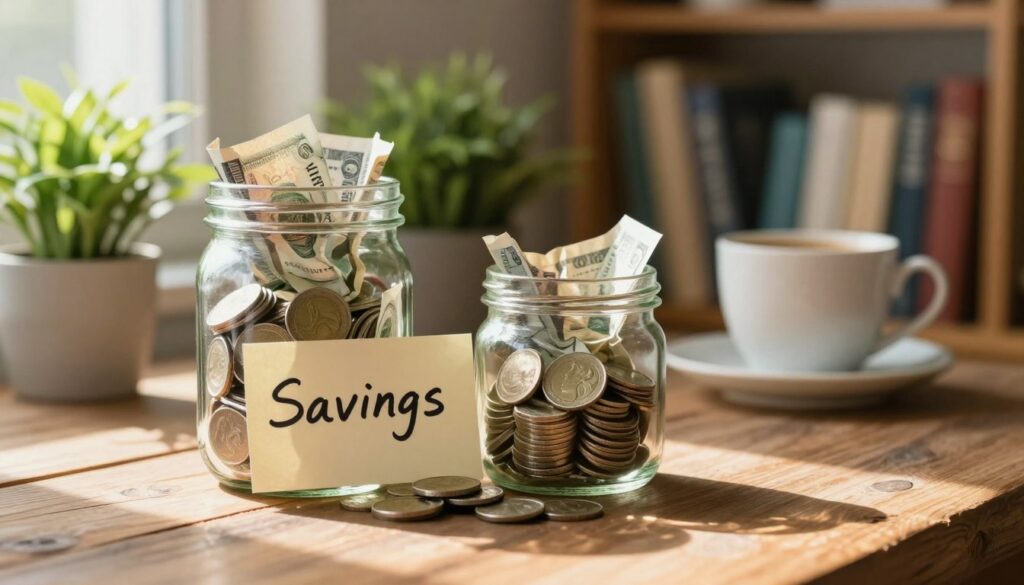
- Consistent savings create a gap that funds debt payoff and investments.
- Frugality is a trade for freedom—small changes, not huge sacrifices.
- Reduced money pressure frees time and lowers decision fatigue.
- Results accumulate over a year and over multiple years, especially when subscriptions and transport are cut.
Reality check: systems that simplify decisions help people stick with goals when life gets busy. The rest of this guide shows actionable steps that make saved money appear in your monthly cash flow, not just on paper.
| Action | Short-term effect | Yearly result |
|---|---|---|
| Cut unused subscriptions | Immediate monthly savings | $100–$600+ saved per year |
| Eat more meals at home | Lower daily spending | $500–$2,000 saved per year |
| Batch errands and reduce driving | Less gas and wear | $200–$1,000 saved per year |
| Automate transfers to savings | Builds emergency fund without thinking | Months of expenses saved within years |
Want more ways to boost income while you build these habits? Check practical extra income ideas to accelerate progress.
Start with quick wins that save money this week
You can create momentum fast by trying a single, short experiment this week. Quick wins are one change that shows immediate results so a person feels progress and keeps going.
Pick one no-spend day
Choose one day each week with no online shopping, no convenience snacks, and no “quick errands” that turn into buys. Treat it as a rule for 24 hours and plan a simple activity instead.
Swap one paid habit for a free one
Free swaps cut expenses without feeling like sacrifice. Try library books or audiobooks instead of purchases. Walk to a nearby park or meet a friend for a stroll rather than paying for entertainment. Make coffee at home rather than buying a daily cup.

Try this one-week test: track small spending on apps, snacks, and little things to spot the easiest cut. No-spend days reduce store trips, which lowers impulse buys and saves time. These are experiments you can repeat over days to build confidence and control.
Cancel subscriptions you don’t still use
A subscription audit is one of the fastest ways to free up cash. Start by listing every recurring charge on your bank and card statements.

Audit streaming, music apps, and memberships
Label each charge as use weekly, use sometimes, or don’t still use. Be strict: if you miss it, add it back later.
- Check for multiple streaming platforms running at the same time.
- Spot music apps and premium trials that converted without notice.
- Flag memberships you log in only a few times a year.
Real-world example and practical swaps
One household cut all paid streaming services plus Spotify and YouTube Music, then tried Plex for personal media. That change estimated about $250 saved total.
Those small monthly fees add up quickly. The switch produced visible saved money in the budget and simpler bills.
| Action | Typical monthly cost | Yearly impact |
|---|---|---|
| Cut extra streaming platforms | $15–$25 | $180–$300 saved per year |
| Replace music subscription with ad-supported option | $10–$15 | $120–$180 saved per year |
| Cancel rarely used memberships | $5–$20 | $60–$240 saved per year |
Tip: cancel first and see how you feel. This reduces bills every month with almost no ongoing work.
Use coupons and loyalty programs without wasting time
Loyalty programs and smart coupons can cut real costs without turning shopping into a full-time hobby. Focus on digital offers for items you already buy and skip rebate stacks that require extra work.
Stack deals by combining digital coupons, BOGOs, clearance tags, and points in a single trip. Keep the cart aligned with your list so you don’t buy extras just to “save.”

Gas rewards strategy
Redeem points for dollars off per gallon only when you plan to fill up fully. That avoids wasting rewards on small top-offs.
Real example and sanity check
Example: using Meijer points for $1 off per gallon and filling two cars plus extra cans in one visit saved an estimated $390 on fuel in 2025. Meijer mPerks also reported $3,738 saved for 2025, but that number compares to MSRP and can overstate real benefit.
- Quick rule: compare the final unit price to your usual price.
- If the deal needs purchases you don’t need, pass on it.
- Use loyalty rewards to lower actual out-of-pocket money, not to justify overspending.
Bottom line: a simple, routine approach helps people save money on shopping and gas all year without extra hassle.
Eat more meals at home to save money every month
Cooking more meals at home is one of the fastest ways to cut monthly food costs and feel better too.

Why it matters: Restaurant and takeout spending is easy to underestimate. Even cheap fast food adds up and can push your monthly total much higher than you expect.
Build a weekly plan that covers breakfast, lunch, and dinner
Use a simple template: two protein choices, two veg/side options, and one grain. Rotate them across seven days so prep stays quick.
Brown-bag lunch ideas that beat restaurant prices
Pack sandwiches, wraps, pasta salad, rice bowls, or leftovers. Snack boxes with fruit, nuts, and cheese keep you full and cost far less than daily takeout.
Cut convenience foods with staples
Lean on rice, beans, pasta, eggs, and frozen vegetables. These staples make satisfying meals without expensive packaged items and support better health.
Reduce food waste with simple tactics
Plan a leftover night, make a “use it up” stir-fry or soup, and put older items at the front of the fridge. That lowers waste and stretches groceries further.
| Strategy | Quick win | Monthly impact |
|---|---|---|
| Weekly meal plan | Fewer impulse orders | Save money on meals each month |
| Brown-bag lunches | Skip lunch out 3–5 times/week | $60–$200 saved per month |
| Staples over convenience foods | Lower unit cost per meal | Reduced grocery bills and better health |
Want more practical ways to save? See easy tips to save money on everyday spending.
Freeze, portion, and prep to save time and reduce food waste
Turn one cooking session into a week of quick dinners by freezing and portioning smart. This approach bridges the gap between “I want to cook” and “I don’t have time.” It turns one batch into multiple fast meals for busy days.

Vacuum sealing for fast, ready meals
Cook a big batch, divide into single or family portions, then vacuum-seal, label, and freeze. On a hectic evening you simply reheat a sealed portion instead of ordering takeout.
Budget tools and smart upgrades
Start with an affordable $20 Aldi vacuum sealer kit to make the system accessible. It keeps food fresher and cuts waste by preserving leftovers before they spoil.
Once the habit sticks, consider upgrading to Souper Cubes for easy single-serving portions.
- Why it works: one cook session becomes many ready meals, saving you time and effort.
- Best things to freeze: soups, chili, cooked meat, and rice portions.
- Start small: pick a couple of repeatable freezer meals so the system stays simple and actually used.
Practical tip: label with date and contents so meals are used before freezer burn. The small effort now means more meals saved and fewer last-minute food decisions.
Want ways to earn extra cash while you build habits? Explore a simple side hustle that fits your schedule.
Make coffee and drinks at home without feeling deprived
Small changes to your drink routine can cut costs and boost daily health. Making beverages at home lowers repeated spending and gives you control over taste and portions.

Replace daily coffee runs with a home setup you’ll actually use
Remember: a café visit is more than the drink. It’s the habit, the add-ons, and the convenience that quietly costs money day after day.
Pick a simple system that matches your taste—drip for ease, pour-over for taste, or cold brew for make-ahead cups. Keep coffee beans or grounds you enjoy so the home cup feels like a treat.
Tip: make one café-style drink at home a day if it helps you stick with the plan. That still saves money compared to daily shop visits and keeps the ritual.
Drink more water to cut costs and support health
Water reduces spending on soda and bottled drinks and supports better health by keeping you energized and reducing cravings.
- Carry a reusable bottle in your bag and keep a second at work.
- Make water the default drink at home—add citrus or mint if you want flavor.
- Use water between coffee times to stretch enjoyment and cut impulse buys.
Why it matters: these small swaps lower recurring expenses, simplify daily choices, and improve quality of life by reducing decision friction and unnecessary spending.
Stop online impulse buying before it starts
Many impulse purchases begin with a single tempting ad or an email promise of fast delivery. Online checkout compresses friction: one-click buttons, saved cards, and push notifications make buying almost effortless. That ease turns small wants into real charges.

Use a 30-day list to delay non-essentials
When you want an item, write it on a 30-day list with the date. Wait the full days before deciding. Often the urge fades and the purchase never happens.
Log the item, why you want it, and how much it will cost. After 30 days, review the entry. If it still matters, buy it; if not, delete it and enjoy the saved money and less regret.
Go to stores with a list and leave—no browsing
In person, be a disciplined shopper. A single person with a list and focus will buy what’s needed and walk away from everything else. Browsing is a proven trigger for impulse spending.
- Define non-essential vs. necessity: essentials keep daily life running; non-essentials are wants that don’t solve a real problem.
- Small guardrails: remove saved payment methods, unsubscribe from promo emails, and set app limits to protect your time and attention.
- One final rule: treat delayed buys as an experiment in restraint—this is one of the most powerful money-saving tips because it cuts random spending without extra research.
Buy used first and maintain what you already own
When you need one new thing, check used options first. A simple used-first habit keeps money in your pocket and reduces waste. Before you click “buy new,” look at thrift stores, resale apps, garage sales, and local Buy Nothing groups for the same stuff.
Some categories shine as used buys: tools, small furniture, and kitchen items often offer great value. Be cautious with safety gear, mattresses, and some electronics—these sometimes need to be new for reliability.

Maintain items so they last longer
Small maintenance stops one-off purchases from becoming repeated costs. Oil, tighten screws, replace small parts, and store things properly.
- Make one checklist: appliances, car, mower—check oil, filters, belts each year.
- Turn recurring buys into one purchase that lasts years: a little upkeep extends lifespans and saves money.
- Mindset: used doesn’t mean low quality; it often means better value per dollar and less waste.
| Action | Good for used? | Maintenance tip |
|---|---|---|
| Hand tools | Yes | Oil moving parts yearly |
| Small furniture | Yes | Tighten joints and refinish surfaces |
| Kitchenware | Yes | Replace worn seals and sharpen blades |
| Safety gear / mattresses | No (caution) | Prefer new for hygiene and safety |
Practical tip: pick one app or one local group to check first so the habit sticks. Over time, the small saved amounts and longer item life add up into real dollar gains.
Spend less on clothes while still looking put-together
You don’t need a closet full of options to look put-together every day. A simple set of mix-and-match pieces saves time and reduces impulse buys.

Adopt a minimalist wardrobe where everything matches
Define it simply: fewer items, consistent colors, and versatile layers that work together.
Pick basics that pair easily so getting dressed is easy and reliable.
Shop only when you need clothes and focus on quality
Buy to replace real wear—holes, stretched cuffs, or fit changes—not because of a sale. Set clear replacement triggers so spending is intentional.
“Replace on function, not on impulse.”
Wash clothes less when they’re not dirty
Air jeans between wears, spot-clean small stains, and use a quick sniff check before tossing into the wash. Washing less reduces fabric wear and saves water and energy.
| Action | Quick benefit | Monthly effect |
|---|---|---|
| Mix-and-match basics | Fewer purchases | Less money spent per month |
| Replacement triggers | Intentional buys | Lower impulse shopping |
| Wash only when needed | Longer garment life | Lower utility costs |
- Practical tip: air out shirts, spot-clean jackets, and rotate items to extend life.
- Balance is key—you don’t need to wear items until they fall apart, but you can avoid a lot of unnecessary purchases by upgrading thoughtfully.
Cut transportation costs with smarter car choices
Rethinking when and how you use vehicles turns a big expense into manageable savings. Transportation is more than a payment: a car brings insurance, gas, repairs, tires, registration, and depreciation.

Go with one vehicle if your household can make it work
Try living with one car for a week or a month as a test. Share calendars, plan pickups, and use alternatives on conflict days. Track missed trips and adjust the plan.
Pick a smaller model to lower ongoing costs
A smaller car often uses less gas and costs less to insure and maintain. You don’t need luxury to be comfortable—efficient choices cut yearly spending.
Batch errands into one trip day
Choose one day each week for errands. Map an efficient route to reduce miles, save gas, and reclaim time.
Use flexible alternatives when they fit your life
Walk, bike, carpool, or take transit for short trips. These options lower fuel use and simplify busy family schedules.
| Action | Benefit | Typical impact |
|---|---|---|
| One car test (week/month) | Reveal schedule gaps | Lower costs if feasible |
| Smaller car | Less fuel, lower insurance | Save annually on upkeep |
| Errand day | Fewer trips | Less wear, more free time |
DIY car maintenance to keep your car running for years
A little hands-on car care can cut routine bills and keep your vehicle reliable for years.
Why DIY pays off: most service invoices are heavy on labor. You pay for the mechanic’s time more than the parts. Doing oil changes and simple filter swaps yourself often saves roughly half the total shop cost, because parts are similar but labor is eliminated.

Start with the basics
Begin with oil changes, air and cabin filters, and brake pads if you’re comfortable. Use reputable guides for fluid volumes and torque specs. Follow step-by-step videos and a factory service manual when available.
Household example that simplifies parts
If a couple owns two similar make/model cars, stocking common parts makes sense. When you and your wife drive similar vehicles, one set of filters, brake pads, and fluid types fits both cars. That reduces trips to the store and lowers per-unit cost over time.
Smart buys and ROI
Buy oil in bulk (for example, a 12-quart pack of Mobil 1) to cut per-quart cost. Over multiple oil changes on two cars, the savings add up and the initial purchase quickly pays for itself.
What to DIY vs. leave to pros
DIY wins: oil, filters, wipers, batteries, and brake pads (if you have the tools).
Leave to pros: anything requiring complex diagnostics, airbag work, or steering/suspension alignment. Safety and calibration often need shop equipment.
- ROI: you mostly avoid labor charges—this is where most money is saved.
- Safety line: stop and call a pro if a job needs special tools or you’re unsure.
- Longevity tip: track service intervals so cars last years longer and avoid premature replacements.
| Task | DIY? | Estimated savings |
|---|---|---|
| Oil change | Yes | ~50% versus shop |
| Air/cabin filter | Yes | Low cost, quick time |
| Brakes (pads) | Yes if confident | Save labor charges |
Practical next step: pick one small job this month and try it. If you prefer earning while learning, consider a simple side hustle that funds parts and tools while you build confidence.
Lower home bills with small changes that add up
Tuning a few daily routines at home can keep money in your pocket every month. Small, consistent steps matter because utilities recur, so tiny wins repeat as real savings.

Use budget billing to keep your gas bill predictable
Budget billing evens out seasonal swings. For example, a household moved from winter spikes of ~$30 to $120+ down to a steady $60 per month. That predictability makes planning easier and removes surprise charges.
Set an HVAC schedule to avoid heating or cooling an empty home
Program the thermostat to lower comfort levels when you sleep or are away. Bring it back before you return so the house feels normal when you walk in. This habit reduces runtime without discomfort.
Track progress with neighbor comparison reports
Use tools like the ComEd “neighbor comparison” to see how your usage stacks up. Those reports showed many homes were at or below efficient neighbors, which is motivating and factual.
- Quick checks: weatherstripping doors and windows.
- Routine: change filters and set thermostat routines.
- Result: lower monthly bill and easy-to-measure savings for people who try it.
DIY home repairs that pay off fast
Small, early repairs stop tiny annoyances from becoming costly headaches.
Fix small issues before they get expensive
Catch leaks, loose outlets, and stuck doors quickly. A short repair now often avoids a larger bill later.
Example projects that deliver real savings
- Leaky garbage disposal: a quick seal or jam clear usually costs nothing and restores function.
- Dishwasher control panel: buying a replacement part on eBay and swapping it yourself beats a tech call.
- GFCI outlet: replacing a bad outlet is a short, clear task with big safety upside.
- Storm door repairs: tighten hinges and replace weatherstripping to stop drafts.
- Cleaned gutters: removing debris prevents water damage and costly roof or fascia repairs.

Know when to call a pro
Certain jobs are risky. For example, a failed garage door spring stores dangerous energy and is best handled by a specialist.
“Paying a pro for high-risk repairs protects your safety and can save money long term.”
Smart value means using correct parts, shutting off power and water, and following step-by-step guides. This is not cutting corners.
Build a basic toolkit over time: a decent cordless drill, multimeter, screwdrivers, adjustable wrench, and a set of pliers will unlock many fixes.
The payoff: fewer emergency calls, fewer surprise breakdowns, and more confidence to manage your space.
Save on yard and outdoor costs without extra hassle
Yard care can quietly drain time and cash unless you pick simpler tools and routines.

How yard costs sneak in: fuel, tune-ups, replacement parts, and wasted weekends troubleshooting engines all add up. Small repairs and stale fuel create surprise chores that eat time.
Switching to corded electric tools to cut fuel and maintenance
When a mower dies, consider a corded electric model for small yards. For a 1/8-acre lawn, one mow used about 0.33 kWh, roughly five cents per mow depending on rates.
The tradeoff is honest: spooling an extension cord takes time, but it often equals the time spent fixing carburetors, buying fuel, or waiting on repairs. For many homeowners, fewer tune-ups means fewer lost weekend hours.
Mulching as a double win
Use a mulching blade to return clippings to the lawn. Mulching improves soil health and reduces bagging.
That can lower or eliminate yard waste stickers and disposal trips. The result is a healthier lawn and fewer recurring fees without extra work.
| Item | Typical issue | Practical benefit |
|---|---|---|
| Corded electric mower | Needs extension cord only | ~0.33 kWh per mow (~$0.05), low maintenance |
| Fuel-powered mower | Fuel, tune-ups, carburetor problems | Higher running costs and more repairs |
| Mulching blade | May need blade swap | Improves yard health, reduces waste fees |
| Routine choice | Weekend troubleshooting | Simpler tools save time and recurring costs |
Bottom line: for small yards, a corded electric mower plus mulching makes upkeep simpler and cheaper. It avoids frequent repair chores and trims both bills and weekend work.
Conclusion
Tiny switches in daily routines turn into tangible cash and extra time over the long run.
This approach is about simple systems that repeatedly save money, not strict deprivation. Focus on high-impact areas: subscriptions, cooking at home, impulse control, smarter transportation, DIY maintenance, and utilities.
Pick one action this week—cancel an unused subscription or try a no-spend day—and build momentum. Small changes that save money monthly grow into meaningful gains over a year and across years.
The goal: more freedom in your life, less stress, and options to pay down debt or invest. For practical next steps and tools, see our practical home resources. The best money-saving tips are the ones you keep doing, so start small and stay consistent.
FAQ
What is the simplest way to start saving money this week?
How do I decide which subscriptions to cancel?
Can grocery loyalty programs really save money without wasting time?
How much can I save by eating more meals at home?
What are quick meal-prep tips to reduce food waste?
How do I replace daily coffee runs without feeling deprived?
What’s an effective way to stop online impulse buying?
Should I buy used items or always choose new?
How can I save on clothing while still looking put-together?
Is owning one car realistic for a family?
What basic car maintenance should I learn to save money?
How can I lower home utility bills without major upgrades?
Which DIY home repairs are worth doing myself?
Can switching to electric yard tools save money?
How do I sanity-check “you saved” totals in promotions?
What starter tools should I buy for kitchen prep and freezing meals?


