

Build clear goals, boost confidence, and speed results with focused services delivered remotely. A professional coach offers strategy, skill building, decision support, and accountability to help clients move from stalled ideas to measurable progress.
The U.S. coaching industry shows strong demand, with estimates ranging from about $15B to $17.8B and average coach salaries in the $81k–$84k range. Experienced coaches often earn well into six figures by specializing and proving results.
This section outlines what clients can expect: strategic planning, leadership development, performance optimization, and practical tools like Zoom, Calendly, and Stripe for smooth delivery. We’ll map a step‑by‑step way to pick a niche, build credibility, design offers, set pricing, and win the first clients.
Key Takeaways
- Clarity and focus: Professional coaching sets clear goals and milestones.
- Real services: Strategy, skills, and accountability drive measurable outcomes.
- U.S. demand: The industry size and salary data show solid market opportunity.
- Remote delivery: Geographic limits fall away with reliable tools and systems.
- Practical path: The article will guide readers through niche, offer design, pricing, and client acquisition.
What Is Online Business Coaching and Why It Works Today
A structured coaching relationship turns scattered plans into clear, measurable steps.
Definition: This is a guided, structured partnership where a coach helps clients set goals, prioritize actions, build skills, and follow through with regular sessions and feedback.
Core roles a coach plays
- Strategist: maps priorities, revenue targets, and operational steps.
- Mentor: shares relevant experience and practical shortcuts.
- Accountability partner: keeps momentum with check‑ins and milestone reviews.

Typical first steps are quick: assess the operation, spot strengths and gaps, then set goals tied to revenue, leadership, or brand. Sessions usually mix brief check‑ins, milestone reviews, and periodic strategy resets to maintain progress.
Market context matters. U.S. estimates place business coaching between $15.2B and $17.8B, while broader coaching figures highlight steady demand. Average pay sits around $81k–$84k, with experienced coaches often exceeding six‑figure earnings.
| Role | Key Service | Typical Cadence | Outcome |
|---|---|---|---|
| Strategist | Planning & KPIs | Monthly strategy session | Clear roadmap |
| Mentor | Skill transfer | Biweekly session | Faster learning |
| Accountability | Check‑ins & milestones | Weekly check‑ins | Sustained progress |
Coaches tailor services to founders, executives, or teams and align marketing and positioning to reach the right audience. Trust grows from clear plans, shared results, and steady communication. For a practical guide to getting started, see online business coaching startup steps.
Key Benefits for Coaches and Clients in the Present Market
Today’s market rewards flexible practitioners who deliver measurable results on a tight schedule.
Low startup footprint: A laptop, video platform (Zoom/Google Meet), a scheduler (Calendly), and payment tools (Stripe/PayPal) are enough to begin. That keeps overhead minimal and speeds time to first clients.
Flexible schedules and scale: Coaches can work from anywhere and design shorter, focused sessions plus async check‑ins. Group programs and digital products let you serve more clients without burning out.

- Multiple income streams: 1:1 packages, cohorts, and evergreen products increase revenue and free up time.
- Measurable impact: Define transformations, track milestones, and document wins to show ROI.
- Proven returns: Research shows many organizations recover their investment in coaching, reinforcing the value to paying clients.
For practical tactics on packaging programs and scaling to higher rates, see this guide on course creation and scaling. Clear results create a win‑win: sustainable income for coaches and tangible growth for clients.
Choose a Profitable Niche and Define Your Ideal Audience
Start by matching your skills to a clear pain point that people will pay to fix. Narrowing your focus makes marketing simpler and helps you build repeatable systems from real results.
Validate before you scale: interview potential clients, read discussions in industry groups, and note repeated goals and obstacles. That evidence shows whether a niche has paying demand.

How to pick and test your niche
- Use your experience to shortlist niches where you can deliver quick wins—advertising pros for paid media, operators for e‑commerce, etc.
- Interview potential clients and listen for willingness to pay and timeline for results.
- Start with proven areas: leadership, executive, performance, branding, and teams, then narrow by industry or company stage.
Create a tight audience profile
Define industry, decision‑maker role, chief goals, typical challenges, and budget ranges. A clear client persona guides messaging, pricing, and delivery format.
“Solve the most painful problem for people who can and will pay; everything else follows.”
Marketing tests: share short insights where your audience hangs out, offer brief calls, and iterate based on feedback. Choose a niche that compounds—your case studies and frameworks should become reusable assets as you scale.
Build Credibility: Experience, Proof, and Optional Certification
Credibility is built from clear results, not just letters after your name. Certification can help, but real-world wins often matter more to paying clients.
When certification helps: Enterprise contracts or HR‑led vendor lists may require ICF or similar credentials. If you target those buyers, a credential speeds access.
When proof matters more: Entrepreneurs and small teams usually hire based on past outcomes, industry experience, and clear steps you’ll take to hit goals.

- Show experience: List leadership roles, revenue growth, or product launches that match client needs.
- Document results: Use short case studies, before‑and‑after metrics, and client quotes on your website.
- Package services: Offer defined milestones, timelines, and deliverables so prospects know exactly how you will help.
“Consistent client success stories, not just certifications, are the long‑term engine of trust.”
Be transparent about scope and refer out when needed. For practical examples of effective site layouts and social proof, see these website examples.
Design a Results‑Oriented Coaching Program
When a program starts with a concrete outcome and deadline, momentum follows fast.
Begin with the transformation: define exactly what clients will achieve and the timeframe. Map months and sessions to clear milestones and weekly tasks so progress is obvious.

From transformation to timeline: structuring your sessions
Use a consistent agenda for each meeting: quick progress check, a skill or strategy focus, and a short action plan. Track outcomes with scorecards so results accumulate over time.
Mix live meetings with async work—brief check‑ins or feedback on documents—to keep momentum between calls. Tools like Zoom and Calendly make scheduling and delivery smooth for both you and clients.
Packages vs. one-off sessions: improving outcomes and commitment
Sell packages instead of single sessions to increase commitment and continuity. Right‑size length by goals: three months to reposition, six months for leadership systems.
- Clarify kickoff expectations: cadence, communication channels, and deliverables.
- Build templates, playbooks, and scorecards from your expertise to keep sessions repeatable.
- Set success metrics tied to the client’s goals and refine the program with feedback data.
“Present clear steps on your sales page so prospects pick the right program with confidence.”
For a free primer on structuring offers and early steps, see your free course.
Set Strategic Prices for Your Coaching Offers
Set prices that reflect the change you deliver, not just how many hours you log.
Anchor pricing to outcomes and scope. Start by describing the transformation your program delivers. Clients will pay for clear gains—higher sales, faster decision cycles, or stronger team performance—so make that case up front.

Benchmarks and moving from intro to premium rates
Use market benchmarks to begin: many new coaches start at $75–$100 per hour or about $1,500 for a three‑month program. Experienced practitioners often charge $350+ per session or $5,000+ per package.
Raise rates with proof. Collect testimonials, before‑and‑after metrics, and ROI stories. Those allow you to shift from introductory offers to premium packages without lengthy discounting.
Bundles and retainers to increase average order value
Bundled packages and monthly retainers smooth income and give clients ongoing access to your services. Offer three clear tiers: baseline program, premium with implementation support, and a retainer for continued advisory time.
- Anchor prices to outcomes, not hours.
- Offer a simple tiered structure to reduce friction in sales.
- Include a payment plan for longer programs to protect list price.
| Starter | Mid | Premium |
|---|---|---|
| $1,500 / 3 months Goal: quick wins and clarity |
$3,000–$5,000 / package Includes implementation support |
$5,000+ / package or retainer Ongoing advisory & priority access |
| Best for new clients | For measurable growth | For strategic scale and lasting impact |
“Price to the result, not the hour.”
Review pricing quarterly. Track close rates, utilization, and client outcomes. Tweak tiers, add high‑margin audits or workshops, and guard against scope creep so your income becomes more predictable and scalable.
Create a Simple, Effective Website and Brand Presence
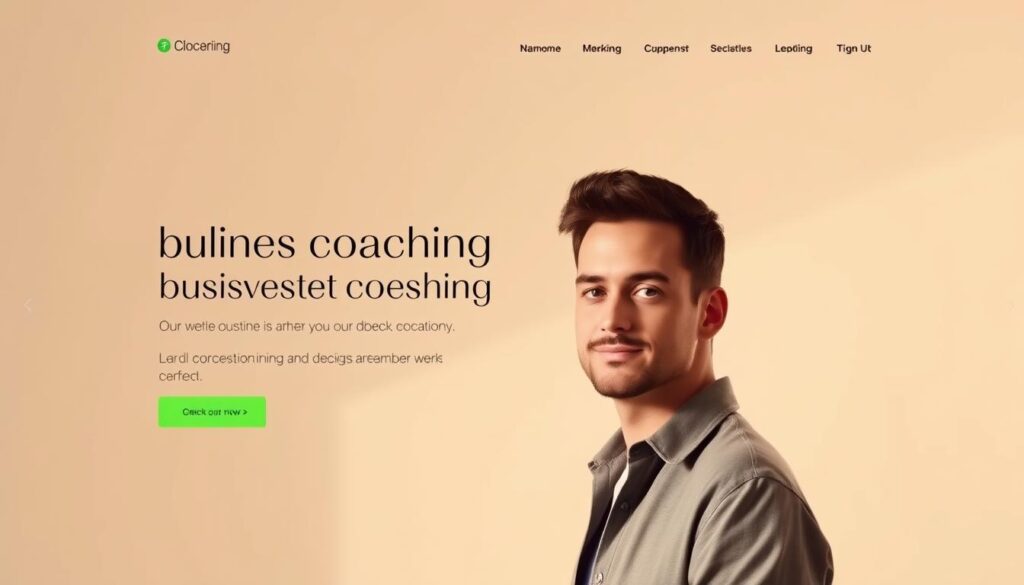
Your site should answer a visitor’s main question in under five seconds: who you help, what outcomes you deliver, and how to book a call.
Keep the site simple and fast. Focus on essentials: a concise bio, a clear list of services, outcome-focused pages, testimonials, and a single, prominent CTA. A lean site helps potential clients self‑qualify and act.
Must-have pages and messaging
Use pages that show your expertise and results: bio, services, outcomes, testimonials, and a booking CTA.
State the audience and goals you solve so visitors quickly know if you’re a fit.
Content that builds trust
Publish short case studies, how‑to blogs, and quick videos that highlight frameworks and wins. Share quantified results and client quotes.
“Consistent proof beats promises.”
- Make your brand visuals and tone consistent across the site and social media to reinforce recognition.
- Host on a platform that fits now and scales later—WordPress, Squarespace, Kajabi, or Teachable.
- Use content to drive leads: repurpose blog posts and videos on LinkedIn and other channels to send traffic back to your booking page.
- Keep CTAs low friction—“Book a 15‑minute intro call”—and review analytics monthly to refine copy and flow.
For a step‑by‑step guide to setting up a fast, conversion‑focused site, see how to make a website.
Systems and Tools to Run an Online Coaching Business Smoothly
Pick a simple tech stack that frees up your time and keeps client work focused. A compact set of tools reduces friction and helps you deliver a predictable program.

Scheduling, video, payments, and client communications
Calendly handles bookings and avoids back‑and‑forth. Pair it with Zoom or Google Meet for live sessions and high‑quality calls.
Use Stripe or PayPal for quick, secure payments. Standardize communication: email plus Slack or WhatsApp keeps action items visible and saves time.
Platforms to centralize courses and operations
If you plan to add online courses, consider Kajabi or Teachable to host content, downloads, and a community in one place.
For a simple website, WordPress or Squarespace works well. Keep documents in Google Drive and use a shared dashboard to track goals and tasks.
- Automate intake forms, reminder emails, and feedback surveys to stay consistent.
- Create onboarding checklists and program templates so every client starts fast.
- Batch sessions and set office hours to protect focused time for creation and delivery.
- Build basic marketing automations—welcome sequences and lead magnet delivery—to convert interest into sessions.
“A lean, well‑documented stack scales faster than a cluttered one.”
Review tools quarterly, remove overlap, and document workflows so you can delegate. These steps keep operations smooth and let your expertise drive results.
Online Business Coaching: Marketing to Win Your First Coaching Clients
Winning your first clients starts with simple, repeatable outreach that proves value fast. Focus on a couple of channels, show helpful work, and invite people into a short assessment call.

Client acquisition channels
Referrals and one social platform often beat scattered efforts. Tap warm contacts first and post useful content where your audience already gathers—LinkedIn for leadership, Instagram for wellbeing, or niche forums for specific industries.
Lead magnets and short calls
Create a tight lead magnet—a roadmap or scorecard—aligned to your niche. Deliver it by email, then follow with a 15‑minute value call or a quick audit to build trust and move prospects to a structured discovery conversation.
Focus, consistency, and tracking
Choose two core channels and stick to a weekly rhythm. Share checklists, quick wins, and teardown posts that spark replies. Track pipeline, close rates, and sales cycle so you double down on what converts.
- Start focused: referrals + one social channel.
- Demonstrate value: short calls and audits convert faster.
- Build trust: consistent content and case snippets.
- Optimize: track metrics and refine outreach weekly.
| Channel | Action | Expected Result |
|---|---|---|
| Referrals | Ask past contacts, offer incentives | Warm leads, higher close rate |
| Social media | Post value posts, CTAs to lead magnet | Audience growth and intro calls |
| Deliver magnet, follow‑up sequence | Nurtured leads and bookings | |
| Website / SEO | Clear service pages + case studies | Organic discovery by buyers |
“Price your starter offer confidently; collect testimonials, then raise rates and add group or course options.”
Conclusion
A focused offer and a simple booking flow will turn interest into early income fast.
Clarify your niche and audience, map a 3‑month program, and set up lean systems for reliable sessions.
Use your experience to design outcomes clients care about. Document wins, collect short case notes, and raise rates with evidence.
Certification helps in some markets, but it’s not required to become a trusted coach. Publish useful content, gather client stories, and refine your skills.
To grow sustainably, add group delivery, courses, and retainers so income scales without extra hours. Be patient: consistent outreach and disciplined follow‑through win clients.
Next step: define one niche problem, craft a three‑month offer, and book three intro calls this week to get moving.
FAQ
What exactly is professional online business coaching and how does it help me get results?
Who needs this type of coaching and which niches perform best?
Do I need a certification like ICF to attract clients?
How should I structure my coaching program for real transformation?
What pricing strategy works for services at different stages?
What must be on my website to convert potential clients?
Which tools should I use to run sessions and manage clients smoothly?
How do I find and win my first coaching clients quickly?
How can I measure ROI and prove client transformation?
Can I scale services beyond one‑to‑one sessions?


