

High-end models like the iPhone 15 Pro Max and Samsung Galaxy S24 Ultra can drain your budget fast. This short guide is a US-focused checklist that helps any buyer avoid overspending. It uses a friendly, no-shame tone whether your budget is tight or flexible.
Saving here means three real outcomes: lower upfront price, reduced total cost over 24 months, and smaller ongoing plan bills. We preview five main strategies: timing deal events, comparing prices, using trade-ins wisely, considering pre-owned or refurbished options, and choosing last year’s model.
Many shoppers latch onto low monthly payments and miss the true purchase total. This guide will correct that by showing how installment offers can hide extra cost. Our advice is current and aimed at major US retailers, carrier stores, and manufacturer sites.
Stay patient and flexible. The best deal depends on how you use your phone — camera, storage, and performance needs matter more than brand alone. Visit this resource if you want a quick way to compare offers.
Key Takeaways
- Big savings often come from timing sales like Black Friday and Prime Day.
- Compare total cost, not just monthly payments.
- Trade-ins, refurbished units, and last-year models cut the final price.
- Choose the device that fits your real needs, not hype.
- Be patient and shop multiple retailers and carriers.
Plan your purchase timing to catch the best smartphone deals in the US
Timing your purchase can shave hundreds off the sticker price on popular smartphones. Pick a target week, then watch listings so you spot real discounts rather than temporary fluff.

Black Friday and Amazon Prime Day
Black Friday 2024 lands on November 29, and Prime Day typically shows up in July. Prime Day often requires an Amazon Prime membership, so factor that into your planning.
Check last year’s discounts to forecast this year
Review prior-year markdowns to guess which models will slide. The Galaxy S23 Ultra saw deep cuts at Black Friday 2023, hinting the S24 Ultra may follow at Black Friday 2024.
Stay flexible on brands and models
Choose two to three acceptable brands and several models. That widens your chance to snag a real deal instead of paying full price for one favorite.
- Plan backwards: set alerts 2–6 weeks before your ideal buy time.
- Compare storage tiers and colors — some variants get deeper discounts.
“Patience and flexibility are two of the simplest ways to get better deals without losing key features.”
Use these best deal strategies at best deal strategies to make smarter purchase choices and save in practical ways.
Shop around and track prices before you buy
One phone model may carry three different price tags depending on where you look. That gap comes from carrier promos, retailer bundles, and manufacturer discounts. Comparing those options reveals the real total cost rather than the flashy sticker.

Compare prices across carriers, retailers, and manufacturer stores
Check carrier sites (AT&T, Verizon, T-Mobile), big-box retailers, and maker stores at the same time. Look beyond the listed device price and note activation or upgrade fees.
- Compare device price and required plan level.
- Verify trade-in rules and qualifying credits.
- Confirm whether the phone is locked or unlocked and any extra service charges.
Use price-history tools and alerts to avoid overpaying
Price history helps you spot fake sales. Tools like CamelCamelCamel show Amazon trends and can flag an unusually low listing or a recent spike before a “discount.”
Set alerts in apps or browser extensions for the exact model and storage tier. That saves time and prevents emotional buys at inflated prices.
“Comparison-shopping isn’t about the lowest sticker — it’s about the lowest total cost with the fewest surprises.”
To keep monitoring simple, use an organized checklist and check multiple sources. If you want more deal-tracking ideas, see smart tracking methods.
Tips for saving money when buying a new phone with trade-ins and smarter plan choices
Carrier promos or manufacturer buybacks can change an offer from meh to great overnight. Trade-ins turn your old device into immediate credit and can cut the listed cost by hundreds during promo windows.
Compare carrier deals with manufacturer programs like Apple or Amazon trade-in, and check reputable US buyback companies such as GadgetGone and igotoffer. Each source values device condition differently, so shop around.
Read the fine print: verify eligible models, condition rules, when credits apply, and whether the deal needs a specific service tier.

Choose unlocked and mind the monthly math
Buying unlocked avoids some carrier fees and lets you pick cheaper MVNO or prepaid service. That flexibility often lowers your monthly service cost.
Watch the low monthly payment trap. Multiply the listed month amount by 24 and add any required plan upgrades. That reveals the true device cost and prevents being surprised by a $800–$1,000+ total.
Protect data before you hand off or sell
Back up photos, sign out of accounts, disable Find My and FRP locks, then factory reset. Clearing data protects your accounts and saves time and potential recovery costs later.
“Protecting your data is part of saving — account recovery can be costly and slow.”
To compare trade-in paths and streamline selling, visit online selling for more practical guidance.
Cut the price by choosing pre-owned or older phone models
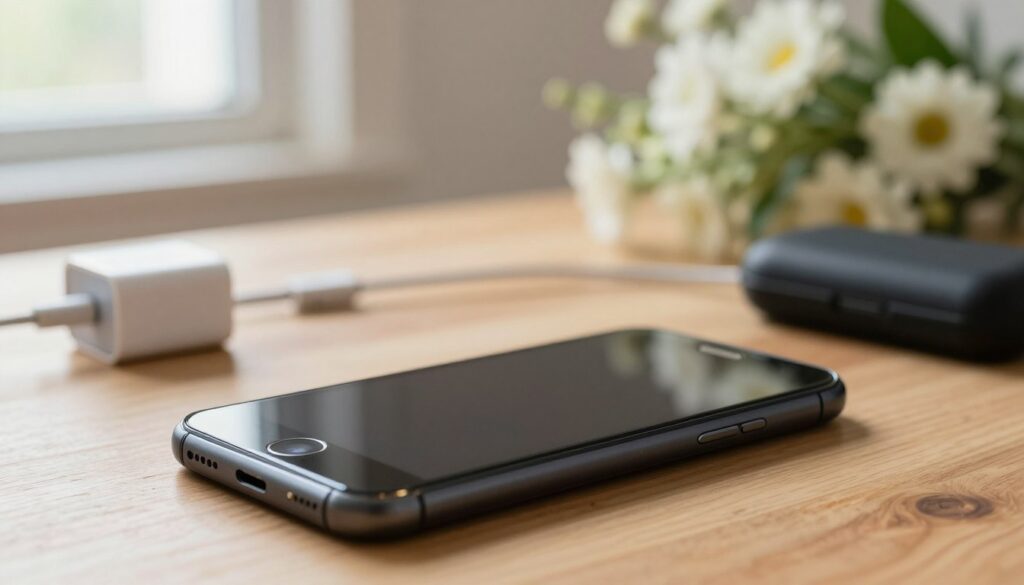
Choosing a pre-owned or last-year model often delivers flagship features at a fraction of the sticker price. That makes sense when year-to-year upgrades are modest and core features still shine.
Buy certified refurbished for better quality checks and a warranty
Certified refurbished means the device was inspected, tested, and usually includes a warranty. This is safer than random peer-to-peer listings and often comes with a return window.
Inspect condition carefully: battery, screen, camera, speakers, and mic
Check battery health and expected capacity. Take photos and video to verify the camera and test audio by playing music and recording a voice memo. Look closely at the screen for dead pixels or discoloration.
- Verify charging port and button responsiveness.
- Confirm Wi‑Fi and Bluetooth connect reliably.
Choose last year’s model to keep key features at a lower price
Upgrades between consecutive smartphone models are often incremental. An iPhone Pro or Samsung Galaxy Ultra from the prior year can feel nearly identical in daily use and cost a lot less.
Factor in software update years when picking an older iPhone, Samsung Galaxy, or Pixel
Software support affects useful life. iPhone models often get around five years of updates, while recent Samsung Galaxy and Pixel phones can reach up to seven years. Factor remaining update years into your decision.
“A certified device with solid condition checks beats a bargain that turns into hours of troubleshooting.”
Want extra ways to cut your final price? See this refurbished phone guide for practical ideas and next steps.
Conclusion
The biggest wins come from combining timing, flexibility, and careful comparison. Wait for major sales, track price history, use trade-ins, and consider certified refurbished or last-year models to lower total cost.
Make a quick checklist today: set deal alerts, shortlist two to three models, compare trade-in offers, and decide if unlocked service saves more than a carrier bundle.
Before you hand over any device, back up files, remove accounts, and factory reset so your personal data stays private. Also, make sure you calculate the full cost rather than focusing on a low monthly payment.
These ways stack: timing + price tracking + trade-in + older/refurbished can cut hundreds off the purchase while keeping the features you care about. Good luck hunting those deals.
FAQ
When is the best time to buy a smartphone to get the lowest prices?
How can I predict which models will drop in price?
Should I remain open to different brands and models?
Where should I compare prices before making a purchase?
What tools help track price history and alerts?
How do trade-ins affect overall device cost?
Are unlocked phones a better financial choice?
What is the “low monthly payment” trap I should avoid?
How should I prepare my old device before trading or selling it?
Is buying certified refurbished safe and cost-effective?
What should I inspect when buying a used phone in person?
Why choose last year’s model over the newest release?
How important are software update timelines when picking an older device?
Can changing my carrier plan save on overall smartphone costs?
Are there additional ways to reduce cost at purchase time?


