
Learn clear steps for winter savings with simple fixes that work for any home. This guide covers how to save money on utility bills in winter and offers quick, practical ideas you can use now. Short changes in daily routines make a real difference for comfort and cost.
Federal resources, like guidance from the U.S. Department of Energy, share useful tips for managing energy use during cold months. Small upgrades and habits reduce your monthly bill without sacrificing warmth.
Many families find that low-cost adjustments yield steady savings. If you track usage, you can spot patterns and tweak settings. Reliant customers can call 1-866-872-6644 to cancel the Weekly Summary Email if they no longer wish to receive usage estimates.
Key Takeaways
- Simple steps bring comfort and lower costs for your home.
- Use official energy guidance for efficient choices.
- Small habit changes often lead to lasting savings.
- Track use to find wasteful energy habits and fix them.
- Easy upgrades cut your monthly bill without pain.
- Reliant customers can manage the Weekly Summary Email at 1-866-872-6644.
Mastering Thermostat Settings
Control your thermostat and you gain consistent comfort with fewer wasted watts. A simple schedule keeps your heating system from running when it is not needed and helps the whole home feel more balanced.
Smart Thermostat Benefits
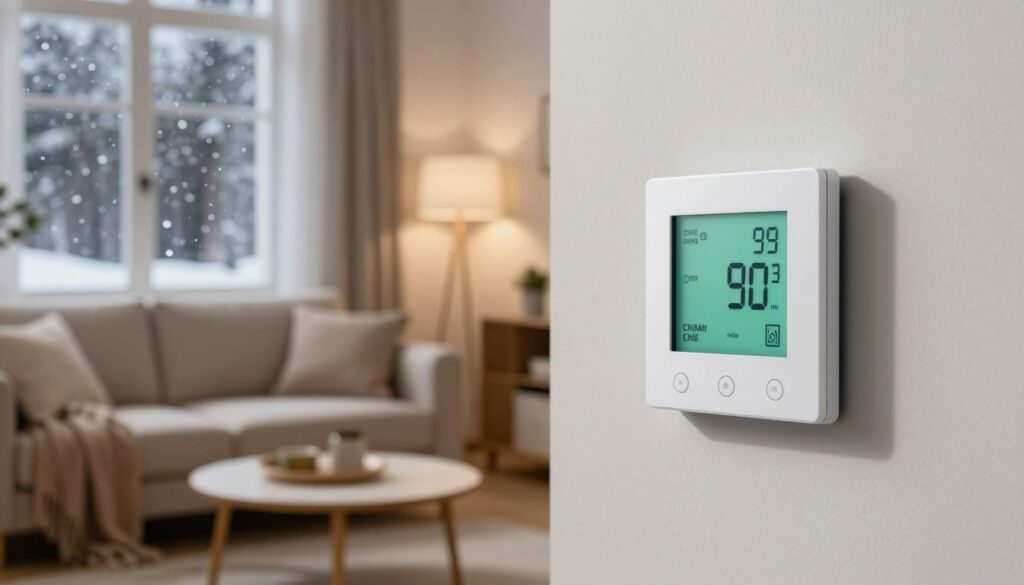
A smart thermostat connects to Wi‑Fi and learns daily routines. It nudges temperature changes for peak energy efficiency and long‑term savings.
- It adjusts settings automatically when you are away from your home.
- It can lower temperature during the coldest part of the day without losing comfort.
- Remote control and reports help spot wasteful patterns and trim monthly bills.
Adjusting for Sleep and Away Hours
“You can save 10% on your energy bill just by turning your thermostat down 10 to 15 degrees for eight hours a day.”
Set lower temperatures for sleep and away periods. Even a few degrees down for eight hours reduces overall energy use.
Layer bedding at night and let the thermostat run cooler. When you leave, let the schedule run or let the smart device learn habits so heating stops in empty rooms.
For renters and owners alike, there are more tips at practical renter energy tips that pair well with thermostat tweaks.
How to Save Money on Utility Bills in Winter Through Insulation
A well-sealed house keeps warm air inside and cold air outside with little effort. Good insulation and simple fixes reduce wasted energy and add comfort across your home.
Sealing Window and Door Leaks
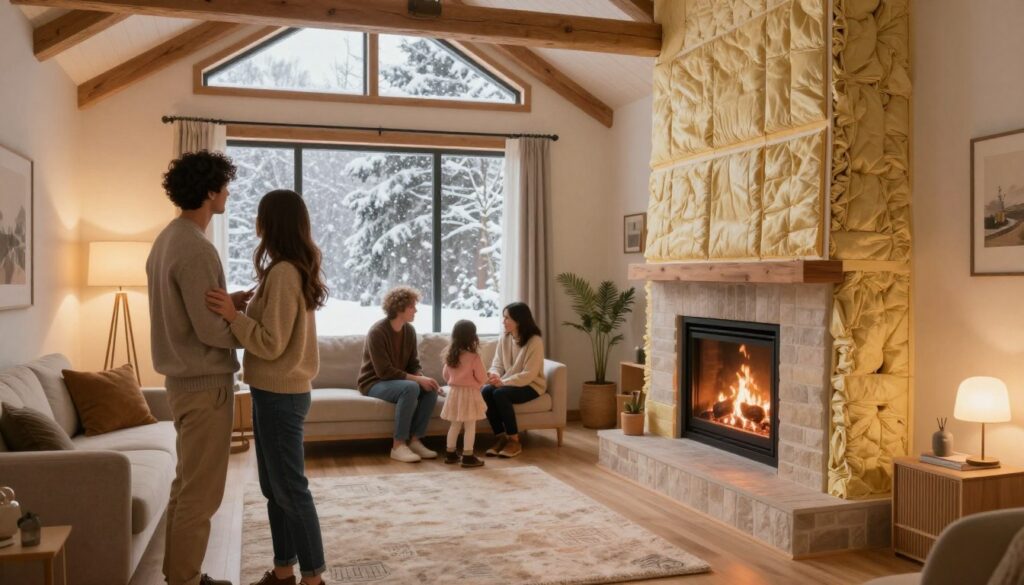
Start at openings. Seal gaps around windows and doors using caulk or weatherstripping. The U.S. Department of Energy says this can cut up to 10% from total energy costs for many homes.
If you feel a draft, replace worn seals around the door or window frame. Small repairs often yield quick benefits for heat retention and lower energy use.
Addressing Attic and Basement Gaps
Attic and basement cavities are common leak sources. Add proper insulation in the attic and along rim joists to stop warm air from escaping.
Check for hidden air leaks at penetrations and patch them. Treating these spots prevents heat loss and improves overall house performance.
Using Insulated Curtains
Insulated curtains add an extra layer against cold air at night. Close them after sunset to trap heat near windows and reduce drafts.
Combined with sealed windows and doors, these curtains make the whole home feel warmer and cut energy waste.
| Upgrade | Where | Benefit |
|---|---|---|
| Weatherstripping | Windows & doors | Reduces drafts; up to 10% lower energy costs |
| Attic insulation | Attic | Prevents heat loss; improves comfort |
| Seal rim joists | Basement & crawl spaces | Stops hidden air leaks; lowers waste |
| Insulated curtains | Living spaces | Traps heat at windows; reduces drafts |
Optimizing Your Heating System Performance
Keeping your heating system tuned pays off fast: heating costs make up nearly half of an average home‘s energy use, so a well-run system matters.
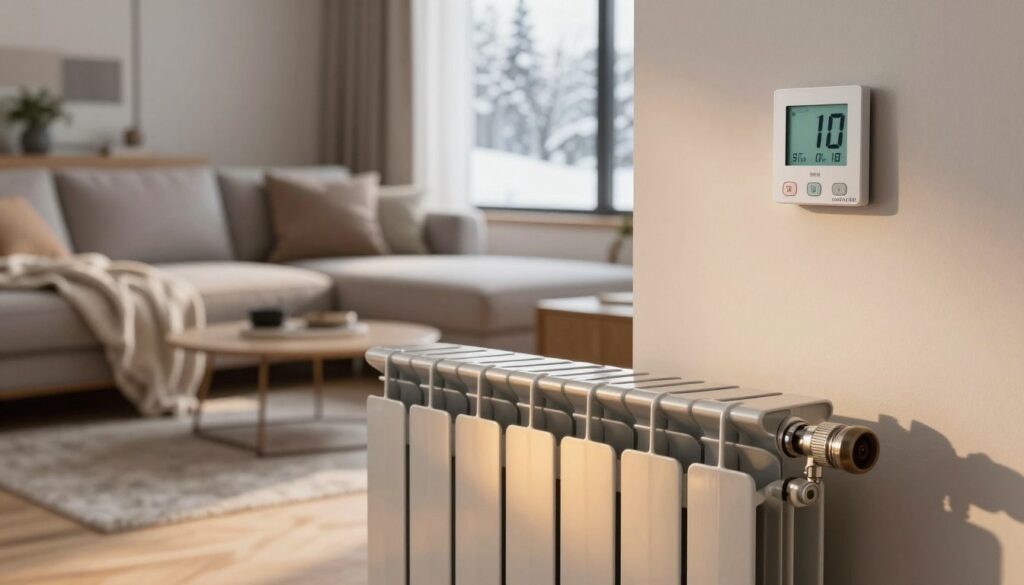
Regular maintenance keeps rooms comfortable and limits wasted energy. Clean filters, clear vents, and unobstructed registers help the system move warm air where it is needed.
- Check air ducts for blockages that reduce airflow.
- Schedule a professional inspection for your heating and cooling equipment each year.
- Keep the furnace and vents clean so every unit of energy becomes useful heat.
A pro inspection often catches small problems before they raise monthly bills. It also ensures your heat is distributed evenly, lowering wear and unexpected repair costs.
| Check | How Often | Benefit |
|---|---|---|
| Filter replacement | Every 1–3 months | Improves airflow; reduces energy use |
| Duct inspection | Annually | Unblocks airflow; balances home comfort |
| Professional tune-up | Yearly | Prevents repairs; restores system efficiency |
For more practical suggestions that pair with system care, see practical energy tips.
Managing Water Heater Efficiency
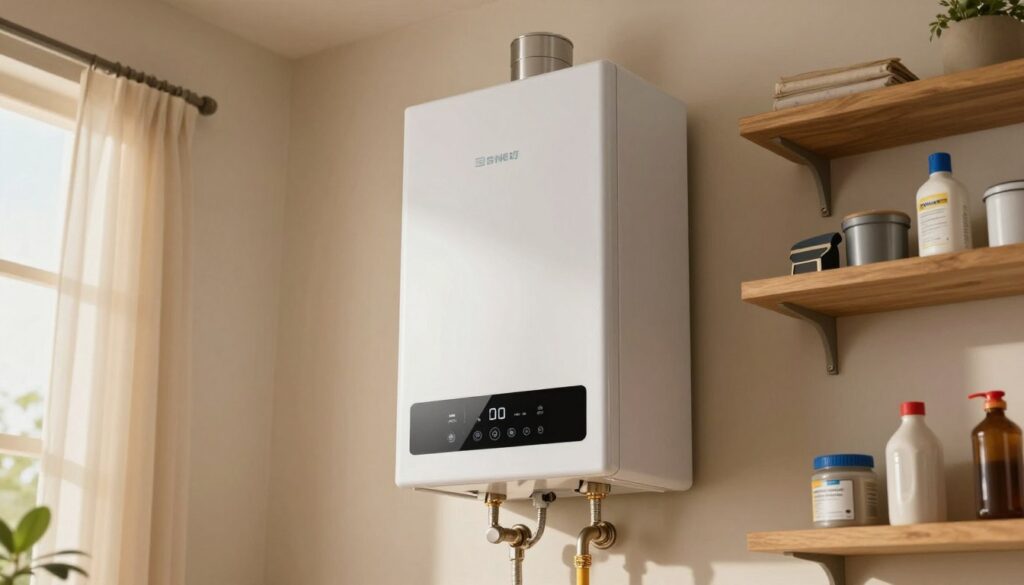
Water heating runs day and night, so small temperature changes pay off quickly. Because many units operate 24/7, a modest drop in the setpoint reduces wasted energy while keeping showers pleasant.
Adjusting Temperature Settings
Your water heater is often the second largest user of energy in a home. Most manufacturers recommend a moderate temperature setting to balance comfort and efficiency.
- Lowering the temperature by a few degrees usually won’t affect comfort but will cut energy use.
- Check for leaks and sediment buildup; both reduce unit efficiency and can raise monthly bills.
- Follow manufacturer guidance for safe thermostat ranges and periodic maintenance.
Small, regular checks of your water lines, anode rod, and drain valve keep the heater working well. Managing the tank or tankless heater settings helps your home run more efficiently and eases strain on your utility budget.
For extra tips and a quick checklist, see these practical water heater tips.
Utilizing Natural Light and Passive Heat
Use daytime sun exposure to add passive warmth and brighten rooms without running extra heaters. Open curtains on sunny mornings, especially on south-facing windows, to let direct heat enter living areas.
Allowing solar warmth into your home eases demand on the main heating system. Warm floors and sunlit walls hold thermal energy as the day cools.
Once the sun sets, close heavy drapes to trap the warm air and reduce overnight loss through cold glass. This simple step preserves passive gains and boosts comfort.
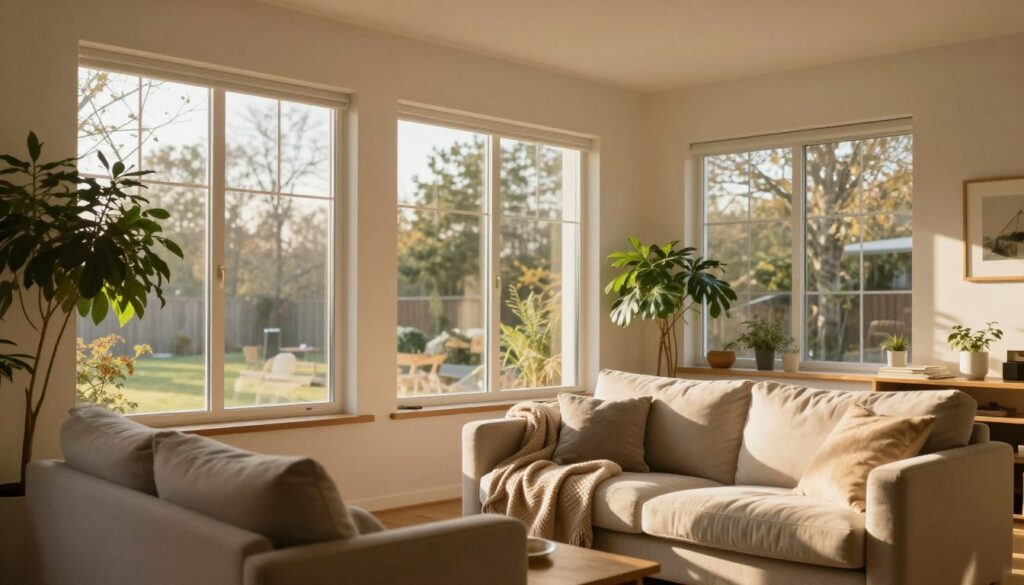
“Small daily acts—like opening blinds on sunny days—can lower the work your heater must do and improve indoor comfort.”
- Maximize daylight for natural warmth and pleasant lighting.
- Close curtains after dusk to hold captured heat.
- Combine passive solar use with insulated window coverings for best results.
| Action | When | Benefit |
|---|---|---|
| Open south-facing curtains | Daytime | Increases passive heat and light |
| Close heavy drapes | After sunset | Retains warm air; lowers energy use |
| Use thermal liners | All night | Improves comfort; boosts savings |
For more building-phase tips that complement passive tactics, see smart design ideas for builders.
Reducing Energy Waste in Unused Spaces
Spare spaces can be energy sinks; closing vents and doors directs warmth to occupied areas.
If a room is rarely used—like a guest room or storage space—shut the door and close the vents. This simple step keeps heat inside the living parts of your home and reduces wasted energy.
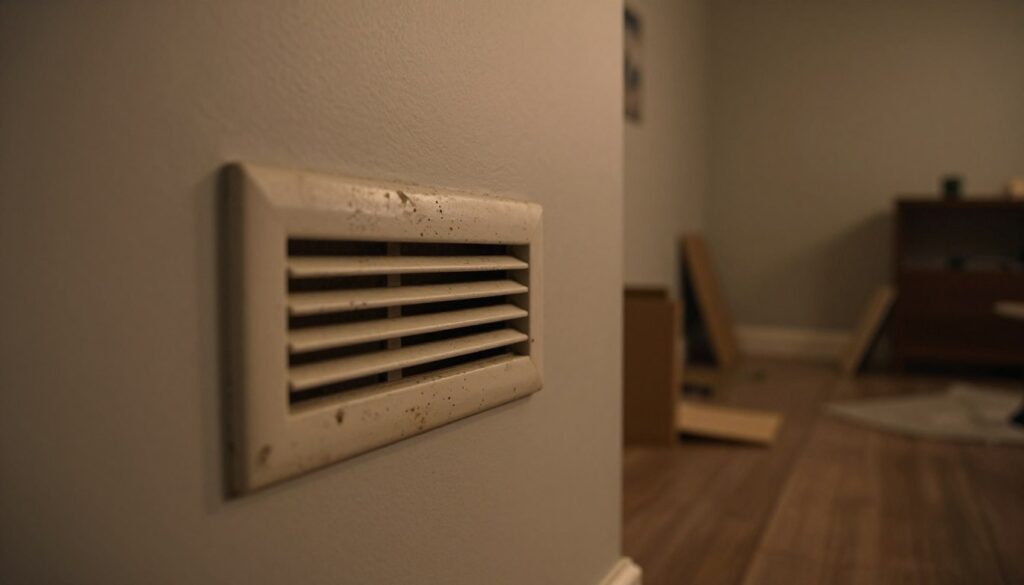
When you close vents in a spare room, the furnace sends more warm air where you actually live. That is an easy, low-cost way to lower monthly bills and protect comfort in the rest of the house.
“Shutting off an unused space can make the rest of your rooms feel noticeably warmer.”
Remember to open the vents and door when guests arrive. Keep them closed when the space stays vacant. This small habit is a practical way to focus heat where it matters and keep more money in your wallet.
For extra tips that pair well with this approach, see grocery tips.
Upgrading to Energy Efficient Lighting
Switching old bulbs for modern LEDs cuts electricity use sharply and often pays for itself within months. LED lights use about 75% less electricity than incandescent bulbs and last roughly 25 times longer.
That means fewer replacements and lower ongoing costs for your home. LEDs deliver bright light with far less energy use, so they ease pressure on heating systems and other appliances during cold nights.
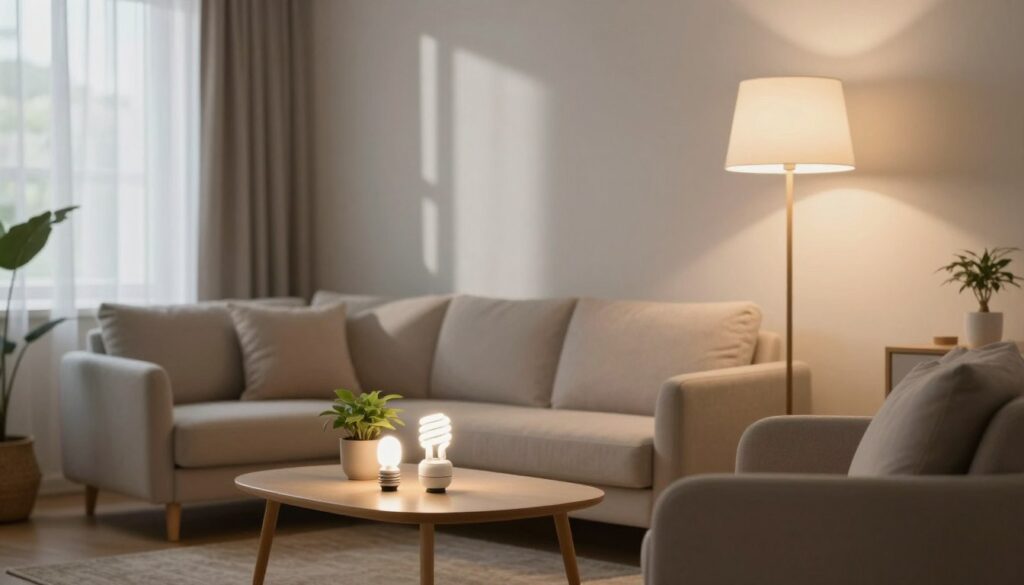
The U.S. Department of Energy recommends LEDs as a top measure for better energy efficiency. Upgrading rooms, fixtures, and decorative strands for holidays is a simple way to cut electricity demand across the year.
- Lower electricity consumption and fewer bulb changes.
- Better light quality with reduced energy costs.
- Fast payback and steady long-term savings for your house.
“Switching to LEDs is one of the simplest upgrades that improves home energy efficiency.”
For practical plans and other easy ways to lower home costs, consider a room-by-room swap this season.
Conclusion: Maintaining Year-Round Energy Savings
Simple, repeatable habits protect comfort and cut waste, making your home more efficient through every season. Small fixes and regular checks build reliable energy gains that last beyond the cold months.
Apply these ideas during winter and keep them year-round to lock in steady savings. Routine actions—like sealing leaks, tuning systems, and using smart controls—shrink monthly bills and lower overall energy demand.
Stay proactive. Try one new habit each week and track results. For more practical energy tips and proven ways to improve household efficiency, use this guide as a starting point.
FAQ
What thermostat temperature is best for comfort and efficiency?
Will a smart thermostat really reduce energy costs?
How can I stop drafts around windows and doors?
What should I do about attic and basement gaps?
Do insulated curtains actually help with heat retention?
How often should I service my heating system?
What thermostat setting is best for water heaters?
Can insulating hot water pipes lower energy use?
How can I use natural light and passive heat effectively?
What’s the best way to reduce heating in unused rooms?
Are LED bulbs worth the upgrade for winter energy savings?
Should I lower my thermostat at night if I use electric blankets or space heaters?
What small habits reduce energy use without big investments?
When is it worth replacing an old furnace or heat pump?


