

Planning a memorable wedding does not mean you must borrow or stress your future. Start with a clear vision and a simple list of what matters most. That focus makes smart choices easier and keeps costs in check.
The off-season, from November through March, often offers lower venue rates and vendor discounts. Choosing those months can stretch your funds and still deliver a joyful day.
Good wedding planning begins with honest numbers. Know your total funds, set priorities, and build a realistic budget that reflects your values. This approach helps you avoid industry pressure and stay calm during the process.
Key Takeaways
- Define what matters most for your celebration before spending.
- Consider off-season dates (Nov–Mar) to cut venue and vendor costs.
- Set a clear budget and track every expense.
- Focus on value, not trends, to keep spending meaningful.
- Start planning early so choices stay calm and intentional.
Establishing Your Wedding Budget
A solid wedding budget starts with a clear plan and shared priorities. Open a simple spreadsheet and list every likely cost. This makes choices less emotional and more factual.
Setting Financial Priorities
Sit down with your partner and mark three nonnegotiables. Allocate more money to what adds real value, and trim items that feel optional. Regular reviews let you move funds from one area to another as quotes arrive.
Planning for the Unexpected
Build a 5–10% buffer for surprise expenses like last-minute alterations or vendor overtime. Consider wedding insurance — policies usually range from $100 to $1,000 — to protect deposits and cover cancellations or venue damage.

Track every payment and update the plan monthly. If one category comes in under budget, redirect that money where it matters most. For extra tips on managing funds, see this best way to save money.
How to Save for a Wedding on a Tight Budget
Smart shopping and realistic expectations let you create an inviting atmosphere while keeping bills low.
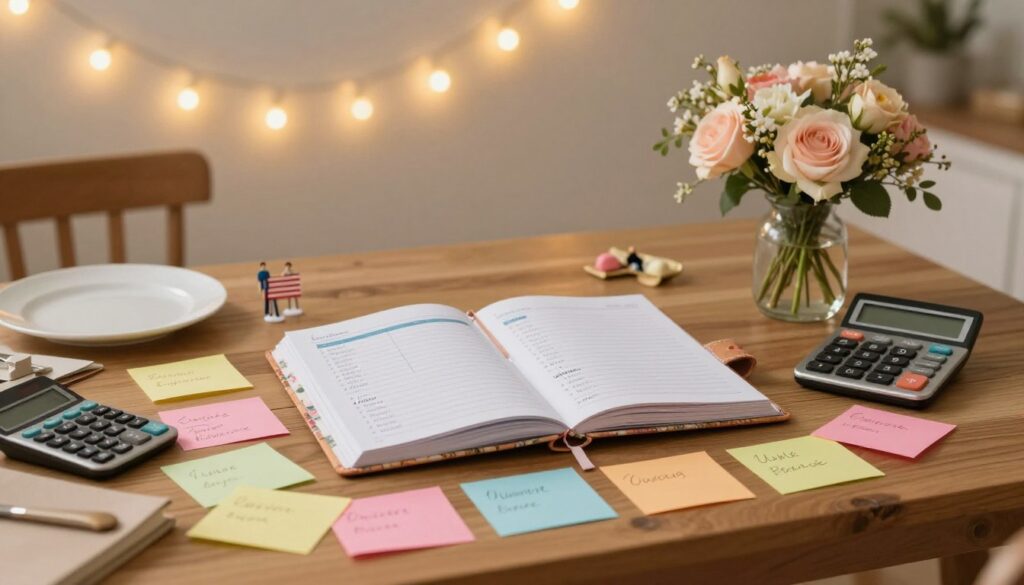
Find creative swaps that preserve style. Rent décor, choose seasonal flowers, or borrow linens from friends. Small cuts in big-ticket areas free cash for memorable moments.
Research every option. Compare vendor packages, ask about weekday rates, and request itemized quotes. That diligence reveals the best deals and prevents surprise fees.
Every decision matters. Keep a running list of priorities and move funds where they have the biggest impact. Staying disciplined with spending ensures you enjoy planning and the day itself.
For practical tips on stretching money without losing charm, check this saving guide. Simple steps now can protect your future while creating a beautiful celebration.
Strategic Date and Venue Selection
Picking the right date can cut venue rental bills dramatically. Start by looking beyond peak season and consider weekday options. Small shifts in timing often translate into large savings and fewer vendor conflicts.
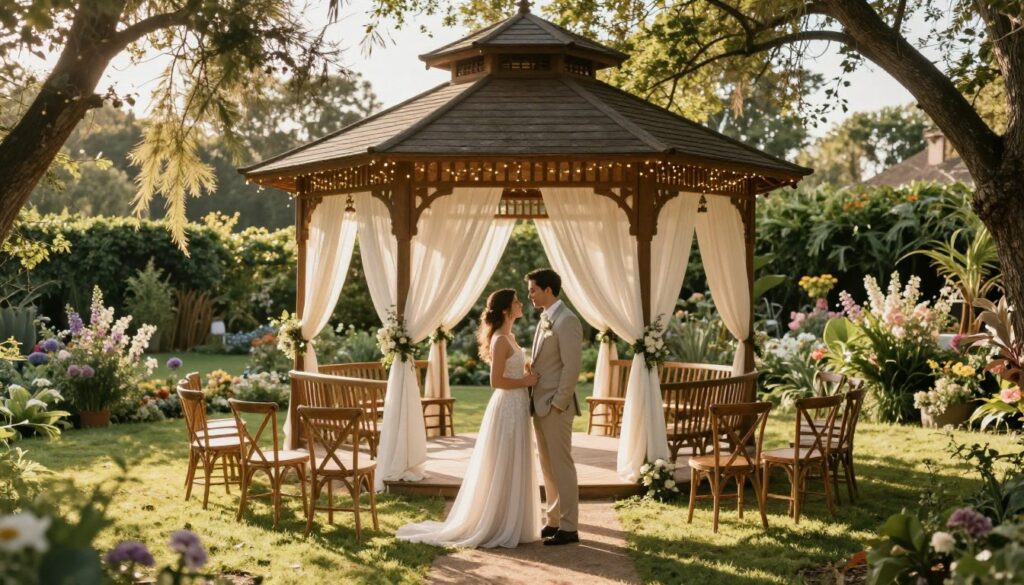
Choosing Off-Season Dates
Choosing months outside June–September usually lowers rental fees. Many venues offer reduced rates from November through March. For example, venues like MV Skansonia often drop their rental price in off months.
Exploring Nontraditional Locations
Since the typical venue costs more than $12,000, consider public parks, breweries, or community halls. These options cut the major line item and free funds for food or music.
Quick tips:
- Ask about unbooked dates — managers often discount them.
- Weekday events can be cheaper and more flexible than Saturdays.
- Compare total cost and extra fees before signing any contract.
| Type | Typical Rental | Off-Season Rate | Notes |
|---|---|---|---|
| Traditional Hall | $8,000–$15,000 | 15–30% lower | Good amenities, higher peak rates |
| Boat (e.g., MV Skansonia) | $6,000–$12,000 | 20–40% lower | Seasonal availability, scenic views |
| Nontraditional (park, brewery) | $500–$3,000 | Often fixed low fee | Lower base cost, may need permits |
Managing Your Guest List Effectively
Trimming your guest count early gives you real control over totals and the final feel of the day.
Managing your guest list is one of the most effective ways to control the total cost of the wedding and reception. Cutting a headcount from 300 down to 150 people can halve many major expenses, especially catering and venue fees.
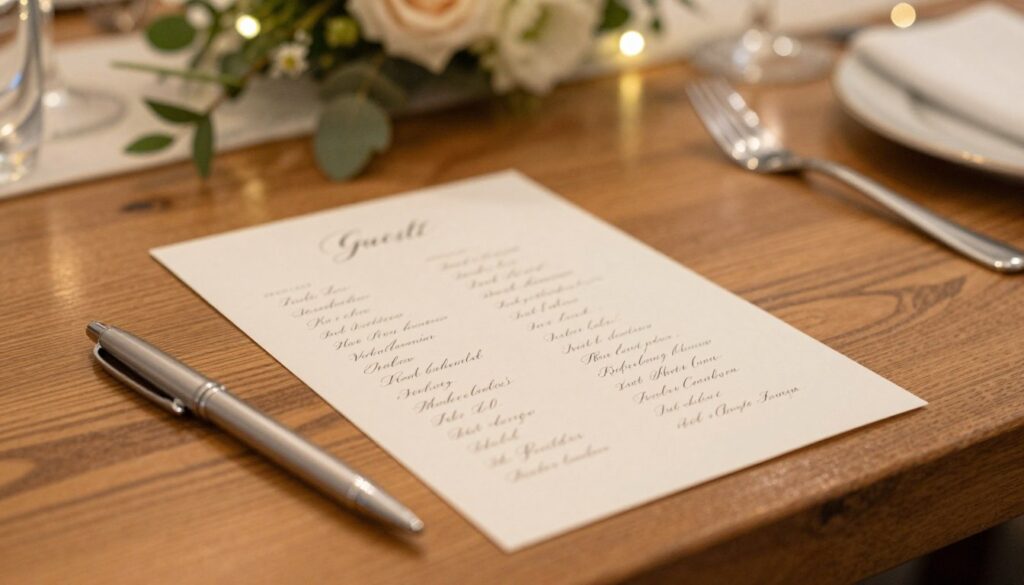
Limit plus-ones to those who are married, engaged, or in a serious relationship. That rule keeps your number steady and helps the budget stay realistic.
A smaller group gives you more quality time with each attendee. It also lets you spend on experiences rather than on per-person charges.
- Be firm but polite when setting rules for children and plus-ones.
- Publish clear RSVP deadlines and track replies weekly.
- Use seating plans that match your final list to avoid surprise fees.
Final note: A thoughtful list keeps the wedding personal and your budget manageable. Focus on guests who matter most and let the celebration reflect your priorities.
Streamlining Your Wedding Stationery
Modern couples often trade printed suites for digital invites and reclaim several hundred dollars. Printed stationery averages about $530, which makes this an easy place to trim your totals.
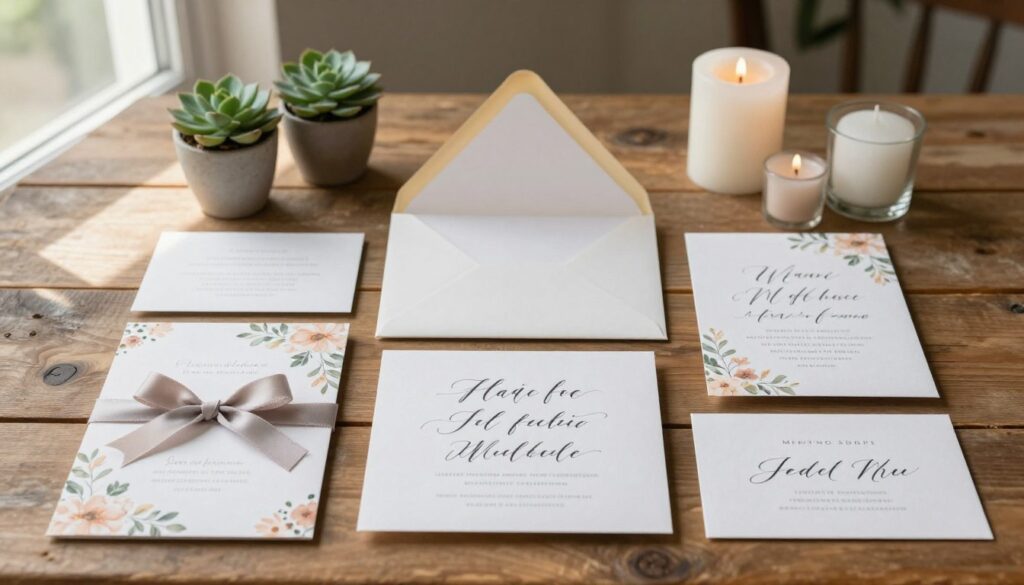
Going Digital for Invitations
Digital invitations cut postage, speed RSVPs, and reduce tracking chores. Many platforms export responses straight into a spreadsheet so you never chase paper cards.
Services like Minted offer all-in-one designs that handle invites and online RSVPs. Choosing a digital suite can often save over $500 versus full printed sets.
- Mail one physical card per household if paper feels necessary.
- Print at home for small runs to lower production cost.
- Go paperless for engagement parties and rehearsal dinners to keep the overall budget lean.
Whether you pick paper or pixels, clear planning around stationery keeps the guest experience smooth and the final wedding bills smaller.
Creative Approaches to Wedding Attire
You don’t need a traditional bridal label to look stunning; clever shopping yields big savings and keeps the look personal.
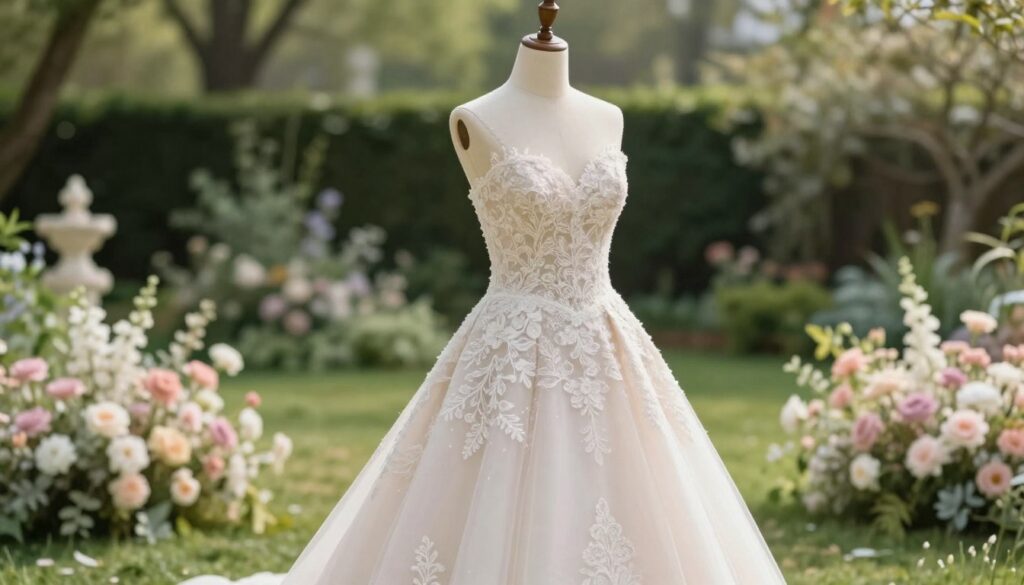
Renting a designer gown from services like Rent the Runway gives a high-end look for far less than retail. This option works well for one-day wear and removes long-term storage concerns.
Buying a white or formal dress not marketed as bridal often cuts markup. Many non-bridal gowns have similar silhouettes and fabrics but cost much less.
- Factor extras: alterations, final fittings, and dry cleaning add to the total cost—include them in your plan.
- Shop consignment and vintage stores for unique pieces that match your style without high prices.
- Schedule final fittings at least two weeks before the wedding to avoid rush fees.
A practical mix of renting, smart buying, and timely tailoring keeps attire costs reasonable while letting the couple shine on the big day.
Smart Catering and Beverage Strategies
A few shifts in menu style and bar rules can lower costs without compromising hospitality.
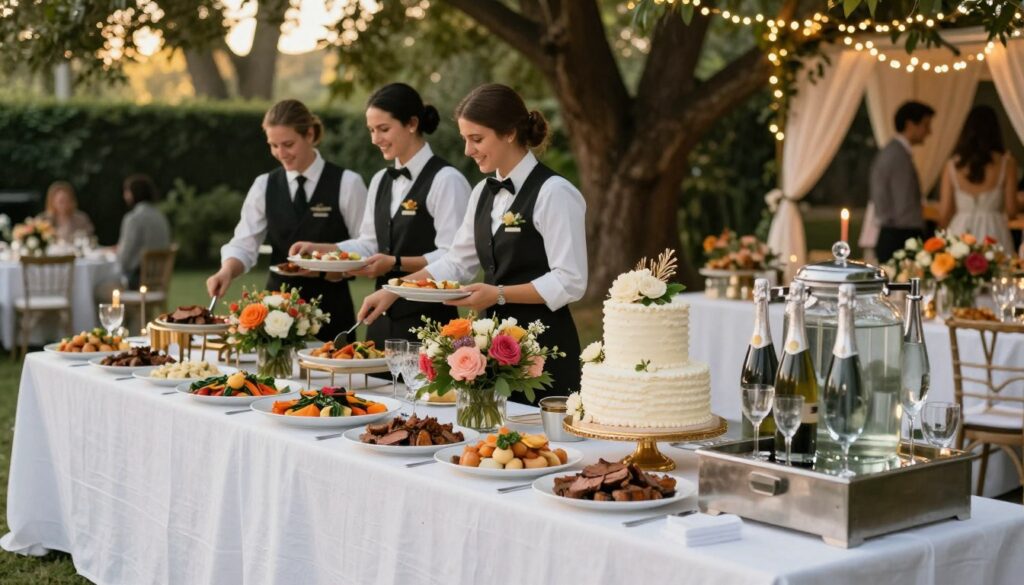
Buffet Versus Plated Meals
Buffet or family-style service usually costs less than plated dinners because it reduces waiter time and staffing fees.
Choose hearty stations or large shared platters for variety and lower per-person expense. Skipping passed hors d’oeuvres and offering big charcuterie spreads cuts both food and service charges.
Rethinking the Bar Tab
Alcohol is often one of the biggest budget hits—newlyweds average $2,800 on drinks.
- Limit the bar to beer and wine.
- Ask if the venue allows purchasing your own alcohol.
- Offer a signature cocktail instead of a full open bar.
Simplifying Dessert Options
A designer cake can top $1,000. Cupcakes, sheet cakes, or a small cutting cake paired with sheet servings satisfy guests for far less.
“Big flavor doesn’t need a big price tag.”
Floral and Decor Alternatives
Simple decor swaps can transform a venue while cutting floral expenditures dramatically.
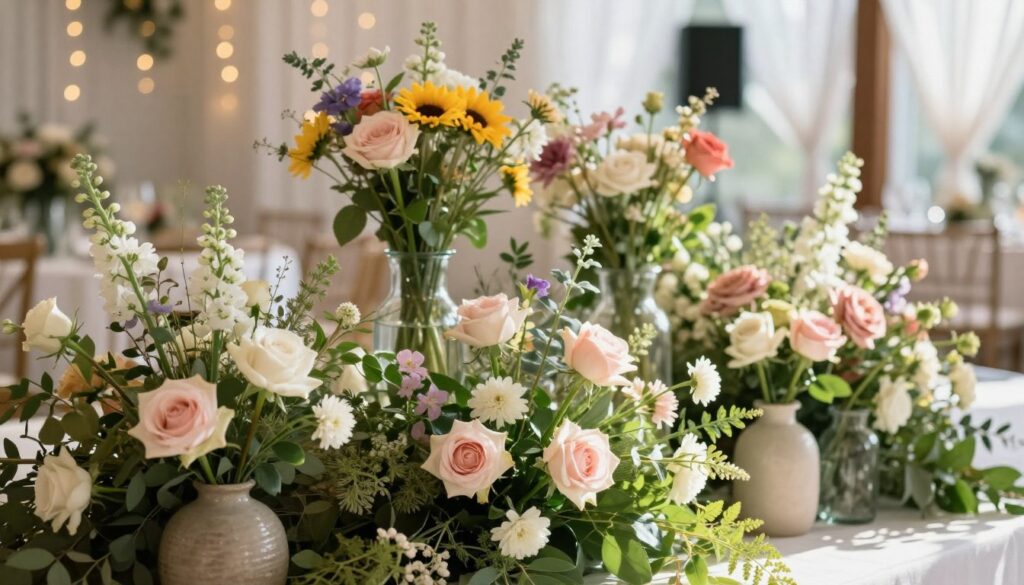
Floral arrangements can take up about 8% of your total spend. Using branches, greenery, or potted plants gives a lush look at a fraction of the cost.
Repurpose ceremony blooms for the reception. Move bouquets and altar pieces to the cake table or guestbook area to double their impact without extra fees.
Non-floral centerpieces—candles, lanterns, driftwood, or stacked books—create mood and save money. DIY projects add personality and reduce vendor bills.
“Small changes in decor often deliver the biggest visual win.”
- Choose in-season, local stems like roses or carnations if you want fresh blooms.
- Mix live greenery with a few focal bouquets for balance.
- Rent or borrow large pieces rather than buying multiples.
| Option | Typical Price Range | Visual Impact | Best Use |
|---|---|---|---|
| Full floral install | $800–$2,000 | High | Main table, aisle |
| Greenery + select blooms | $250–$700 | Medium–High | Reception centerpieces |
| Non-floral decor | $50–$400 | Medium | Candles, lanterns, focal pieces |
| DIY mix | $30–$300 | Variable | Personalized accents |
Photography and Entertainment Hacks
A thoughtful choice of photographer and entertainment partners keeps the day lively and friendly while limiting expense.

Entertainment often runs about 9% of total spend — roughly $3,000. A DJ usually costs less than a live band and can handle lighting and MC duties, which lowers overall cost.
Hire smart: ask your preferred photographer for digital negatives so you can print photos yourself. If their rate is out of range, request an associate with a similar style at a lower price.
- Consider local college bands or bidding sites to find vendors that match your budget.
- Set up a DIY photo booth with props and a camera for fun reception moments without hiring an outside company.
“Small swaps in services often protect your savings while keeping memories and music top quality.”
Navigating Hidden Wedding Costs
Small line items can quietly inflate your total before you notice. Many couples are blindsided by charges like cake-cutting add-ons, setup or breakdown fees, and mandatory tips from vendors.

Read every contract and ask vendors for an itemized quote. Look for service charges, corkage or staffing surcharges, and minimums that push final totals upward.
Educate yourself early. Factor expected extra expenses into your running plan so the numbers stay honest and calm.
Keep a detailed spreadsheet that tracks each payment, deposit, and line-item charge. This makes it simple to spot unexpected costs and adjust other parts of your budget quickly.
“Knowing the fine print prevents last-minute stress and keeps the day joyful.”
| Hidden Charge | Typical Range | Where It Appears | Avoidance Tip |
|---|---|---|---|
| Cake cutting fee | $0–$150 | Baker or venue | Ask for plated slices or waiver |
| Setup / breakdown | $100–$600 | Venue or rental company | Negotiate or handle small tasks |
| Service charges / gratuities | 10–20% | Vendors, venue | Clarify in contract |
| Overtime / noise fines | $50–$500+ | Venue or city enforcement | Confirm end time, permits |
Leveraging Technology for Savings
Using trusted financial and planning platforms can free up both money and time during planning.
Automate your savings with tools like the Citizens Savings Tracker. Set weekly or monthly transfers from checking so contributions happen without thought. Small, regular deposits add up fast and keep the larger vision within reach.
Use credit card rewards and cash-back programs for major purchases. Points often cover travel or attire costs and can reduce the final bill for your wedding.
Compare vendors online before booking. Price comparison sites and review platforms reveal real offers and hidden fees. Digital RSVP and vendor-management apps keep messages, contracts, and invoices in one place.

| Tool | Primary Benefit | Typical Cost | Best Use |
|---|---|---|---|
| Citizens Savings Tracker | Automated transfers, goal tracking | Free with account | Regular contributions |
| Rewards credit cards | Cash back / points | Varies (annual fee possible) | Big-ticket purchases |
| Vendor comparison sites | Price transparency | Free | Finding best value |
“A few clicks can cut costs and clear clutter.”
All-Inclusive Packages
A single contract that covers food, staff, and rentals can reduce surprises and speed up planning.
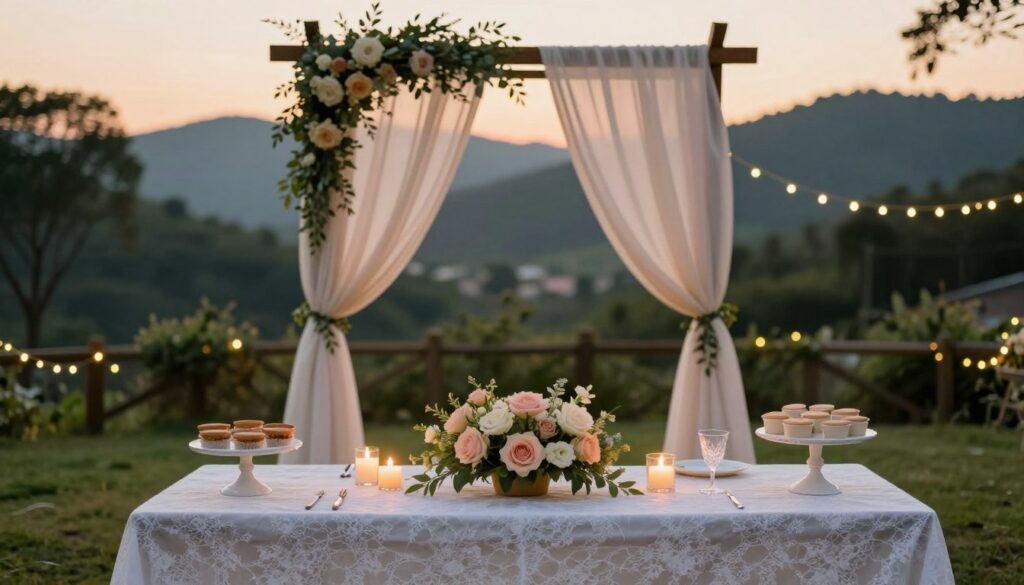
All-inclusive packages often bundle catering, rentals, and on-site coordination under one price. That bundling can offer clear value when comparing total cost versus separate hires.
Choosing a venue with in-house coordination cuts the need for outside vendors. That keeps logistics simple and lowers the number of contacts you must manage during the day.
Many bundles include perks like a cake, basic décor, and guest rooms. These extras help stretch your overall budget while keeping planning stress low.
Always confirm exactly what is covered. Ask for an itemized list and any fees for overtime, setup, or service charges. This prevents surprise charges that could inflate the final bill.
“A one-stop shop is ideal for couples who want to minimize stress and keep expenses manageable.”
For additional practical ideas, see these money-saving tips that apply across major life events and event planning.
Negotiating with Wedding Vendors
Don’t accept a vendor’s first figure as final; most will discuss terms if you ask.
Start by being clear about your top priorities and total funds. Share an honest budget and ask whether a tailored package exists that meets your needs.

Bring competitive quotes and ask for price matching when you’ve found a reputable alternative. Online bidding services can also yield multiple offers and lower final costs for photo or music services.
Build rapport. A friendly relationship often wins extras like extended hours, extra prints, or waived fees. Treat negotiations as collaboration, not confrontation.
“Most vendors prefer a clear conversation over a surprise request later.”
- Be specific about dates and needs.
- Request itemized quotes so you compare apples to apples.
- Consider trading services or promotion for small discounts.
| Tactic | Typical Benefit | When to Use | Tip |
|---|---|---|---|
| Price match | Lower rate | Have comparable quote | Share competitor details politely |
| Bundled package | Fewer fees | Multiple services from one vendor | Ask for written list of inclusions |
| Competitive bidding | Multiple quotes | Photography, DJ, rentals | Use online platforms for transparency |
| Relationship perks | Extras or flexibility | When you communicate early | Be respectful and prompt with payments |
For related practical ideas, see these money-saving tips that apply across planning and spending.
DIY Projects for Personal Touches
With basic tools and a clear plan, couples can create décor that looks curated and stays wallet-friendly.
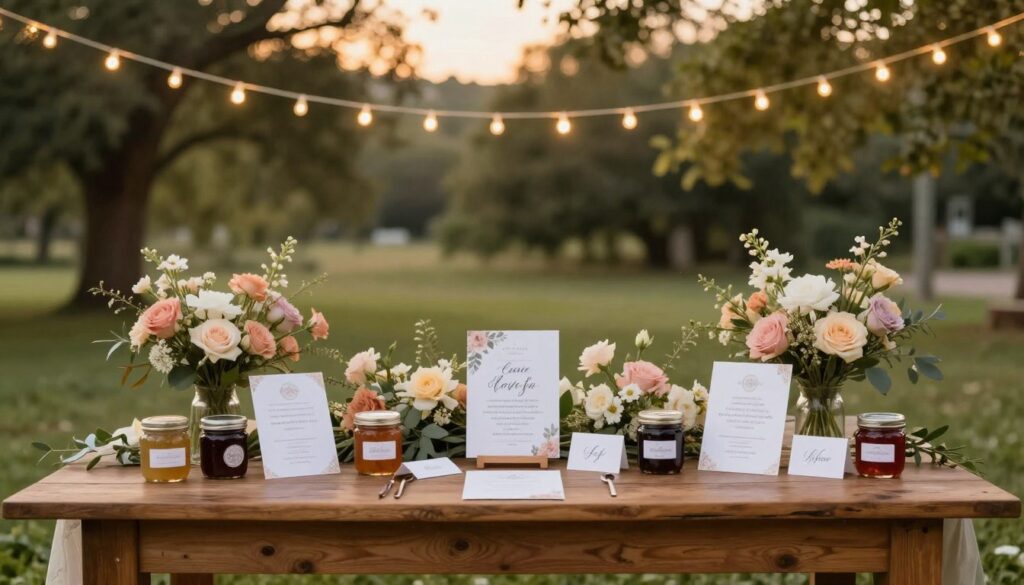
DIY projects add personality and keep costs low. Pick a few meaningful items rather than attempting every detail yourself. That choice protects your time and reduces stress.
Enlist friends or family for tasks like centerpieces or cookie favors. When people help, the work goes faster and the results feel personal.
Use online tutorials for polished ideas that don’t cost much. Simple signage, wrapped candles, and small table arrangements often look professional with little expense.
Divide responsibilities across your group. Assign one person for signage, another for table decor, and one for transportation on the day. This divide-and-conquer method keeps planning simple and sane.
“Focus on a few easy projects that make the biggest visual impact.”
Tip: Pick projects that save the most money and require minimal fuss. That way your celebration stays personal and your overall budget stays healthy.
Building Long-Term Wedding Savings
Small, steady deposits often matter more than a single large contribution. Set a clear total and work backward to find practical monthly goals.

Open a dedicated account so funds are separated from everyday spending. That makes tracking simple and reduces temptation to dip into the pot.
Automate transfers so contributions happen without thought. Over months and years, interest and consistency build a meaningful cushion for the big day.
Review recurring expenses and cancel little luxuries you rarely use. Cutting dining subscriptions or extra streaming plans can free real money fast.
- Start early and set realistic targets.
- Use automatic transfers and round-up tools.
- Redirect windfalls—bonuses or tax refunds—into the fund.
Consistent, modest contributions buy peace of mind. With steady effort and a simple plan, your budget will support the celebration without debt and leave extra time for enjoyment.
Conclusion
A calm final review lets the pair celebrate progress and lock in sensible financial habits.
Prioritize what matters most as a couple and keep guests and family at the heart of decisions. Careful wedding planning and clear choices turn limited funds into lasting memories.
Start your savings early and automate transfers so contributions happen without extra effort. Use credit card rewards and cash-back for honeymoon and travel expenses when it fits your plan.
Remember: the commitment you share matters far more than expensive extras. For broader savings ideas that apply beyond the celebration, see these saving tips.
FAQ
How do we set realistic financial priorities for our ceremony and reception?
What should we include in an emergency fund for wedding expenses?
Are weekday or off-season dates really worth it?
Can nontraditional venues save us money without sacrificing style?
How can we manage our guest list to control costs?
Is it okay to send digital invitations to cut costs?
What are budget-friendly options for wedding attire?
Which is cheaper: buffet or plated meals?
How can we limit bar costs without disappointing guests?
What are simple dessert choices that cut costs?
How can we replace pricey floral designs without losing impact?
What are budget-friendly choices for photography and music?
Which hidden fees often sneak into wedding budgets?
What tech tools help couples cut costs during planning?
Are all-inclusive packages a good value?
How should we approach negotiating with vendors?
Which DIY projects offer the best return on investment?
What’s the best way to build long-term savings for wedding and honeymoon costs?
Can family contributions affect planning, and how do we handle them fairly?
How can we prioritize spending on photography without overspending elsewhere?


