
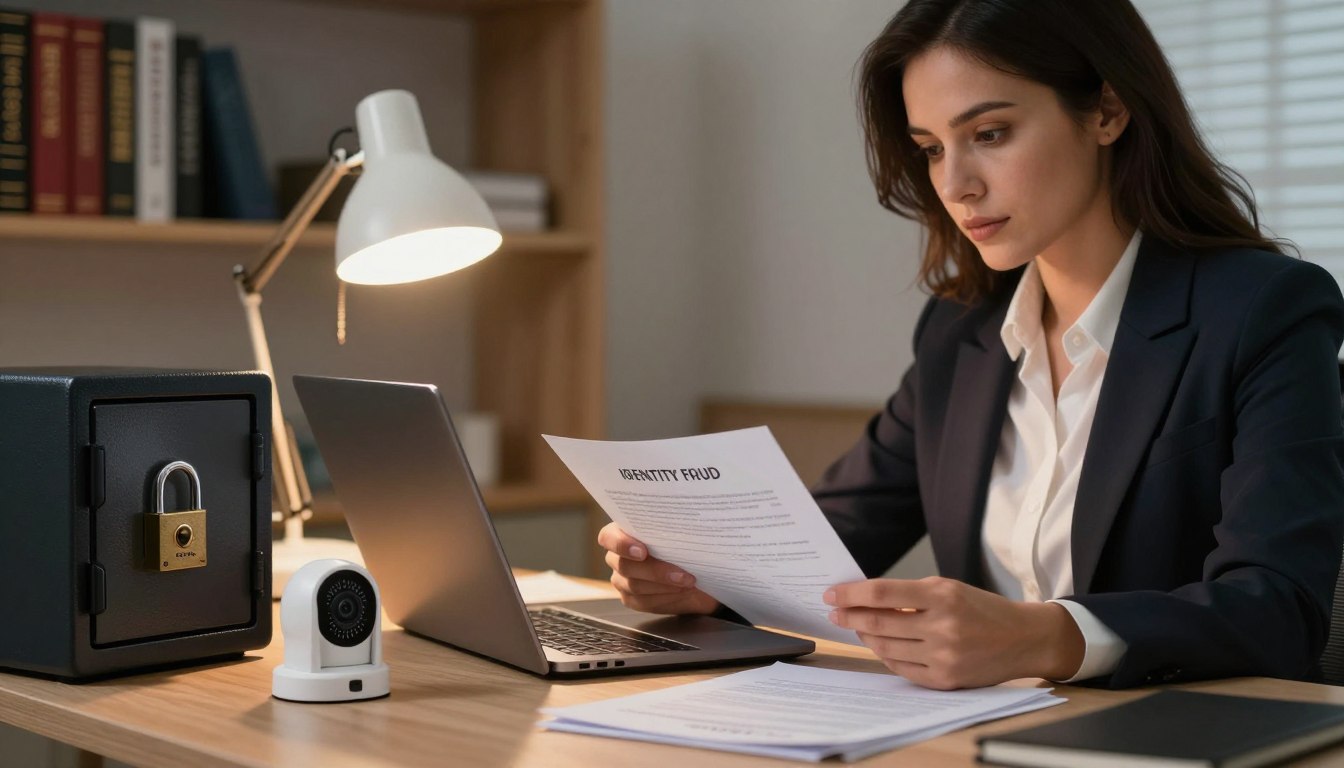
Learning how to protect your identity from financial fraud starts with simple habits that reduce risk and restore control. A thief can use personal information to open accounts, run up charges, or damage your reputation. If you become a victim, recovery can take months and cost a lot of time.
Vigilance matters. Criminals constantly seek new ways to grab sensitive information. Knowing common scams and spotting red flags helps you stay one step ahead.
Take small, steady steps like reviewing statements and securing accounts. Educate yourself about identity theft techniques and adopt daily routines that lower exposure. For budgeting and safe savings tips, see smart saving strategies. For related online income questions, check affiliate marketing basics.
Key Takeaways
- Small habits cut risk and make recovery easier if you become a victim.
- Guarding personal information is the first and best line of defense.
- Learn common scams to recognize attempts quickly.
- Check accounts often and act fast on unfamiliar activity.
- Use secure passwords and monitor credit for unexpected changes.
Understanding the Risks of Identity Theft
Modern thieves treat a good name like currency. As of 03/01/2021, experts stressed that identity ranks among the most valuable things you own, making it an inviting target for criminals.
Identity theft often means someone uses your good name to open accounts or commit crimes. That misuse can harm credit, savings, and reputation for months or years. Every victim faces unique hurdles, yet the common thread is unauthorized use of personal information.
Thieves evolve constantly. They steal wallets, craft convincing phishing emails, and pose as banks or agencies to trick people into revealing data. Recognizing these patterns is one of the best ways to spot an attempt and act fast.
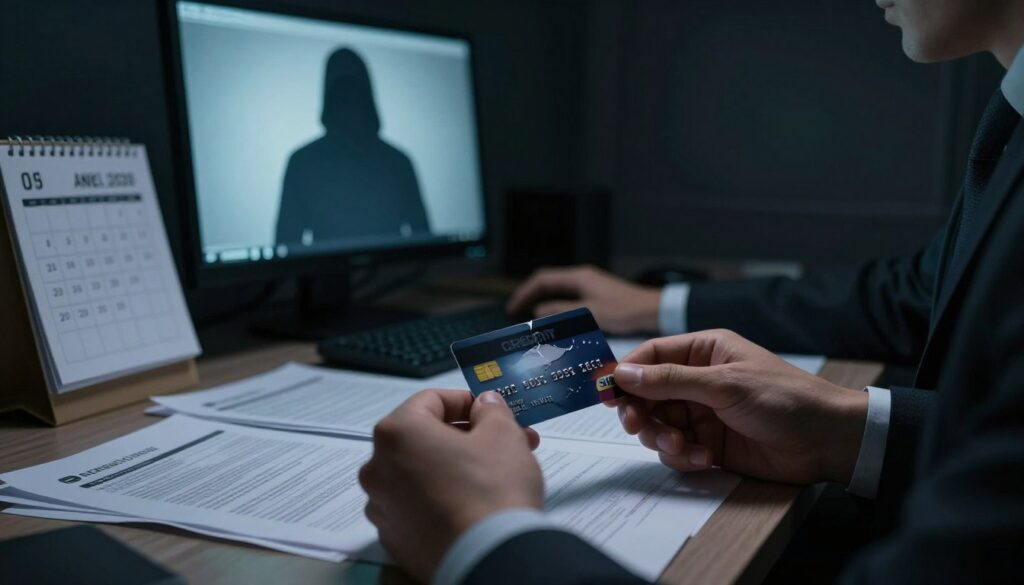
Stay informed and look for early signs of fraud: unexpected bills, new accounts you didn’t open, or odd credit alerts. For practical money habits that lower risk, see best saving methods.
How to Protect Your Identity from Financial Fraud Offline
Smart handling of documents and mail can close common windows of attack. Start with what you carry and what arrives at your home. Small changes cut the chance that someone grabs numbers or account details and uses them without permission.

Managing Sensitive Documents
Keep the original Social Security card locked at home instead of in a wallet. Ask businesses why they need a social security number and whether the last four digits will work.
Limit the documents you carry. Cross-shred bank statements and expired credit cards so dumpster divers cannot piece together information.
Securing Your Mail
Securing incoming mail is one of the best theft protection steps. Thieves often steal pre-approved credit card offers from mailboxes.
- Consider a USPS hold when you will be away.
- Buy a locking mailbox that meets Postal Service rules for added safety.
- Call 1-888-5OPTOUT (888-567-8688) to remove your name from credit bureau marketing lists.
Ask questions about how businesses store and share personal information before you hand over full numbers. These simple steps help protect personal information and reduce recovery time if theft happens.
For related tips on earning safely online, see side hustles that require zero upfront.
Securing Your Digital Footprint and Devices
A few careful steps online make your devices far harder for criminals to exploit. Start with simple habits that lift overall security and reduce the chance of identity theft.

Password Best Practices
Use long, unique passwords for each account and change them if a breach is reported. Consider a reputable password manager to store complex entries.
Never reuse the same string across sites. This limits damage when one site is compromised.
Navigating Social Networks
Limit public profile details that reveal birth date, employer, or account numbers. Scammers gather information from social posts and bios.
Adjust privacy controls and think before sharing photos or documents that contain personal information. Less visible data means less chance of targeted fraud.
Protecting Your Hardware
Keep antivirus, firewall, and software updates active on each computer and smartphone. These layers block common threats and malicious email links.
- Use a VPN on public network connections.
- Avoid clicking pop-up links and unknown attachments.
- Back up important files and lock devices with strong passcodes.
For practical, budget-friendly tips on device safety, see frugal security tips.
Monitoring Your Credit and Financial Accounts
A steady routine of account review gives early warning when data is misused. Regular checks help spot new accounts, strange charges, or odd entries on a credit report before problems spread.

You are entitled to a free credit report every 12 months from each national bureau: Equifax, Experian, and TransUnion. Order reports by calling 1-877-322-8228 or visiting www.annualcreditreport.com.
Utilizing Free Credit Reports
Rotate requests so you pull one bureau’s report every four months. This creates year-round monitoring at no cost and helps catch unauthorized new credit or account openings quickly.
- Security freeze restricts access to your credit reports and blocks most attempts to open new credit accounts in your name.
- Placing a fraud alert prompts lenders to verify identity before issuing new credit or loans.
- Paid monitoring from the credit bureaus can run from $44 to over $100 per year, but free tools and a rotation plan work well for many people.
“Check credit card bills and bank statements immediately upon arrival; prompt review is the simplest theft protection.”
If you find errors, file a dispute with the bureau reporting the inaccuracy. This preserves the accuracy of your credit history and helps prevent long-term damage.
For budgeting tips that support vigilant habits, consider this short guide: smart money-saving tips.
Conclusion: Staying Vigilant Against Fraud
Stay proactive, and keep a simple routine of checks. A regular review of accounts and strong passwords strengthens your credit defenses.
Pull your credit reports on a schedule and scan each credit report for unfamiliar activity. Guard the social security number and limit sharing of sensitive information.
Small habits reduce the chance of identity misuse and cut recovery time if theft occurs. Act fast: place a fraud alert and contact bureaus when something looks wrong.
Consistent monitoring of reports and solid daily habits build long-term protection. For practical budgeting and safety tips, see saving money tips.
FAQ
What immediate steps should I take if I suspect someone has stolen my Social Security number?
Can I get free copies of my credit report and how often?
What is a credit freeze and when should I use one?
How does a fraud alert differ from a credit freeze?
What are simple ways to secure physical documents at home?
How can I secure my mailbox and incoming mail?
What are best practices for creating and managing passwords?
How should I use social networks to limit exposure of personal data?
What steps protect my computer, phone, and home network?
How often should I review bank and credit card statements?
What monitoring services can help detect misuse of my information?
If I become a victim, how do I create an identity theft report?
Are prepaid or virtual credit cards safer than regular cards?
What personal information should I never share over email or phone?
How long does identity theft recovery usually take?


