

Launch faster and sell more with a modern service that helps your business go from idea to live store in days. Our approach combines product pages, carts, and checkout in one cohesive system so teams can focus on brand building, not juggling tools.
In 2024, independent sellers in the U.S. saw strong results—many stores reached big sales milestones—showing clear demand and room for growth. We design every workflow to support product publishing, shopping experiences, and reliable transaction processing.
Security and data protection come first so customers feel confident visiting your website and completing purchases. Expect fast setup, customizable experiences, and scalable ways to manage products and sales whether you start online-first or extend a mortar store to the web.
Key Takeaways
- Quick setup and professional tools help launch a store fast.
- 2024 sales trends show strong demand and growth opportunity.
- All commerce workflows live in one system for simpler operations.
- Security and data protections build customer trust.
- Transparent pricing and competitive rates keep costs predictable.
Build your brand on a modern e-commerce platform
Start a polished online presence in days with ready-made themes and simple editing tools. Customizable themes let your business go live without writing code, so you can focus on products and customers.

Customizable themes and store design without coding
The store editor makes it easy to change layouts, colors, and typography for a cohesive site. Non-technical users can update pages, add media, and keep a consistent brand across every page.
Optimized product pages, carts, and streamlined checkout
Product listings include rich content, reviews, and clear calls to action that guide customers from shopping to payment. The cart and checkout are streamlined to cut friction, lower abandonment, and lift conversions.
“A fast, mobile-first design helps customers trust your store and complete purchases.”
- Fast setup: launch a polished website quickly.
- Media-ready: high-res images and video to showcase products.
- Scalable catalogs: add or update items without developer help.
For a step-by-step guide to get started, build your own website and bring your brand to life.
Plans and pricing designed for growth
Choose a plan that matches where your business is today and where you want to go next. Our pricing keeps startup costs low while giving clear upgrade routes as sales and needs grow.
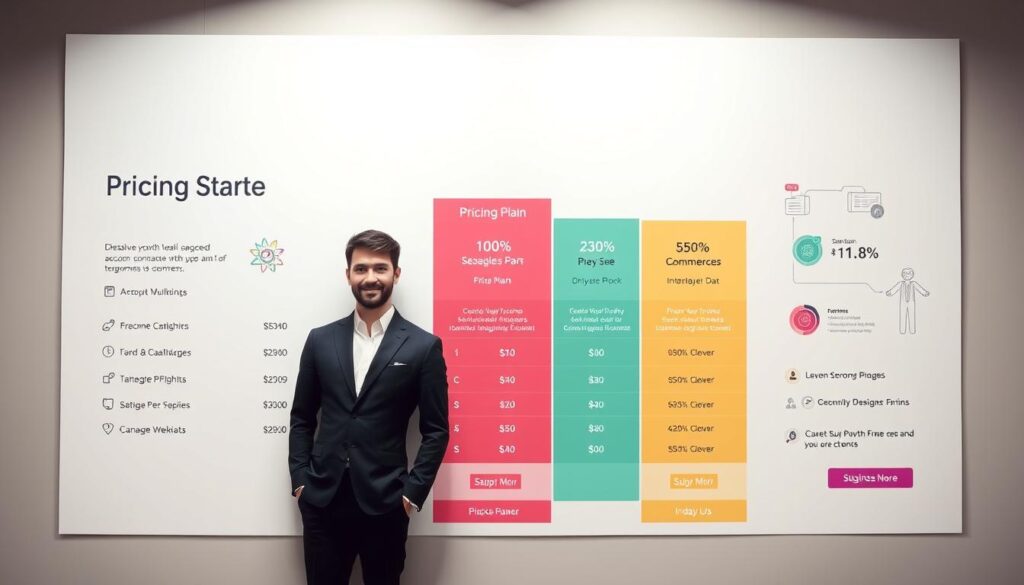
Free to get started for new sellers
No monthly fees and a simple processing rate of 2.9% + $0.30 per transaction let new sellers test the store and generate the first sale without upfront costs.
Plus: Advanced features for scaling operations
At $29/mo or $348/year billed annually, Plus unlocks tools to streamline operations and support growing ecommerce workflows. Processing stays 2.9% + $0.30 so teams can forecast margins.
Premium: Best processing rates and performance
Premium is $79/mo or $948/year billed annually and offers the best processing rate: 2.6% + $0.30 per transaction. This plan suits brands with higher sale volumes and peak traffic needs.
“Transparent rates and predictable fees help merchants plan for seasonal or year-round growth.”
| Plan | Monthly / Annual | Processing rate |
|---|---|---|
| Free | No monthly fees | 2.9% + $0.30 |
| Plus | $29/mo or $348/year | 2.9% + $0.30 |
| Premium | $79/mo or $948/year | 2.6% + $0.30 |
Annual billing options help control costs across the year and simplify budgeting. You can move from Free to Plus to Premium as your business scales.
Our team provides resources to help match the right plan to your stage. For tips on growing channel sales and social listings, learn how to sell on Facebook.
Seamless online shopping experiences across devices
Shoppers expect a smooth, fast experience whether they use a phone, tablet, or desktop. A focused mobile-first approach ensures your design adapts naturally and keeps customers engaged.

Mobile-first design and m-commerce performance
Fast-loading templates and adaptive image delivery make your website look great on small screens without extra work. Pages render quickly, lowering abandonment and saving customers time.
AR/3D visuals to boost customer confidence
Interactive media such as AR and 3D previews let shoppers inspect size, fit, and placement from any angle. That clarity leads to more confident purchases and fewer returns.
- Touch-friendly navigation, larger tap targets, and simple forms reduce friction for every customer.
- Mobile wallets and fast payment flows speed checkout and lift conversion for retail and ecommerce businesses.
- AR/3D assets are optimized for mobile so the experience stays smooth on typical connections.
- Searchable, crawlable product pages improve discoverability on the web and in mobile search.
Consistent quality across devices builds trust and helps turn visits into sales. A polished mobile UX shortens the time from discovery to checkout and raises customer satisfaction.
Multi-channel selling that meets your customers where they shop
Let your products meet shoppers on the apps and sites they use every day.

Sell on your website, marketplaces, and social media by listing products once and publishing them across multiple channels. This saves time and stops duplicate data entry so your team can focus on growth.
Unified catalog, pricing, and inventory across channels
One catalog keeps pricing and stock synchronized in real time. When an item sells on a marketplace or via social media, stock updates immediately to prevent oversells and customer confusion.
Connectors route orders to the right fulfillment flow, whether you ship from a warehouse or a local mortar store. A single dashboard shows sales by channel so you can spot where shopping behavior performs best.
- Social integrations let customers discover and buy directly from feeds they use every day.
- Marketplace SEO, taxonomy, and ratings improve visibility and conversion for products.
- Consistent branding, clear product content, and responsive customer service keep trust high across touchpoints.
In short: a thoughtful, multi-channel way to sell expands reach, protects inventory accuracy, and creates more chances to engage customers and grow ecommerce revenue.
Payment processing, security, and trust
A secure checkout and honest privacy commitments turn nervous visitors into confident buyers. Customers want to know payment details are safe and that their personal information is handled clearly and legally.

Secure online transactions and PCI-aligned practices
Every transaction is encrypted and routed through trusted processing partners to protect customers and the business. We use tokenization, strict access controls, and PCI-aligned practices to keep payment information secure end to end.
Privacy policies and data protection to build confidence
Publish a plain-language privacy policy on your website that lists what data you collect and how you protect it. Align statements with regulatory expectations so customers can rely on your commitments.
- Fraud screening and risk rules reduce chargebacks while keeping checkout smooth for good customers.
- Automated anomaly monitoring alerts admins to suspicious activity quickly.
- Best practices: strong passwords, two-factor authentication, and role-based staff permissions.
- Visible trust cues—SSL badges, clear support contacts, and helpful error messages—improve conversions.
Transparent, truthful communications and proactive security build long-term trust and help customers use your site with confidence.
Fulfillment and shipping that customers love
Speed and predictability in order delivery boost trust and conversion. U.S. shoppers expect quick, affordable shipping and clear timelines. Set clear options: standard, expedited, and next-day where feasible.

Compare fulfillment approaches
Self-fulfillment, 3PL, dropshipping, and FBA-style programs each balance cost and speed. For example, Fulfillment by Amazon (FBA) lets sellers offer free two-day shipping for Prime by sending inventory to Amazon’s network, which handles storage, packing, shipping, and customer service.
Order management, tracking, and returns
Centralized order management brings orders from all channels into one workflow to speed picking and packing. Real-time tracking and proactive notifications keep customers informed from shipment to delivery.
Easy returns with clear rules protect margins and keep customers happy. Use service-level targets and carrier performance data to improve on-time delivery over time.
| Model | Speed | Best for |
|---|---|---|
| Self-fulfillment | Variable | Low volume, control over packaging |
| 3PL | Fast (regional) | Sellers scaling inventory without extra warehouses |
| FBA-style | 2-day Prime/fast | High-volume sellers needing nationwide reach |
Inventory and order management built for scale
Clear data and smart routing stop oversells and speed up fulfillment across channels.
Centralized inventory syncs quantities in real time so stock levels match across web stores, marketplaces, and physical locations. That prevents overselling and reduces manual reconciliations.
Low-stock alerts and demand forecasting tell teams when to reorder before promotions peak. Vendor lead times and purchase order tools make replenishment predictable for fast-moving items.
Centralized inventory, low-stock alerts, and bundling
Bundles and kits sell complementary products while the system accurately decrements each underlying SKU. Barcoding and scanner integrations speed receiving and picking during busy periods.
- Order orchestration: routes orders to the nearest or fastest fulfillment center to cut transit time and cost.
- Cycle counts & audit logs: improve accuracy and accountability as your business grows.
- Dashboards & exports: tie inventory health to sales so teams act fast on trends.
“Reliable logistics and backups keep sales live even when technical issues arise.”
| Feature | Benefit | When to use |
|---|---|---|
| Central sync | Prevents oversells across channels | Multi-channel selling |
| Low-stock forecasting | Maintains sales momentum during promotions | High-season planning |
| Order routing | Reduces shipping time and cost | Regional fulfillment |
| Barcoding & cycle counts | Speeds operations and raises accuracy | High volume warehouses |

Marketing tools that drive online sales
Strong marketing tools let small teams turn traffic into steady customers without long lead times.

SEO-ready pages use clean URLs, clear metadata, and structured headings to help your site rank for product searches. Good page structure pulls qualified visitors and lowers bounce rates.
Merchandising and paid placements
Badges, cross-sells, and personalized recommendations increase conversion on product pages. Sponsored placements and CPC ads put products in front of high-intent shoppers where they search.
Email, loyalty, and social campaigns
Email workflows and loyalty offers bring past buyers back and raise lifetime value. Social media ads plus retargeting recover visitors who left before checkout.
“A+ content — richer images and video — reduces hesitation and boosts conversion on product detail pages.”
| Channel | Main benefit | When to use |
|---|---|---|
| Organic SEO | Long-term traffic and low cost per visit | New product launches, evergreen content |
| CPC / Sponsored | Fast visibility for high-intent queries | Promotions, product launches |
| Email & Loyalty | Repeat purchases and higher LTV | Retention and upsell campaigns |
| Social Campaigns | Discovery and retargeting | Awareness and cart recovery |
Analytics tie ad spend to attributed revenue so teams scale winners and pause losers. For a practical playbook on digital tactics, see digital marketing strategies.
Analytics and data-driven decisions
Turn dashboards into a strategic advantage. Unified reporting helps teams monitor sales, channels, and product health in one place. That visibility speeds decisions and reduces costly surprises.

Sales, channel, and product performance dashboards
Presenting sales by channel and SKU highlights trends fast. Teams can spot top products, slow movers, and channel wins without chasing spreadsheets.
Inventory health metrics link sell-through to reorder triggers so stockouts and missed transactions become rare.
Customer insights for personalization and LTV growth
Customer segments and cohort analysis inform non-invasive personalization that raises lifetime value. Use behavioral cohorts to tailor offers while respecting privacy.
- Campaign attribution shows which channels and creatives drive the most efficient transactions.
- Exports and APIs let analysts enrich information in BI tools for deeper strategy work.
- Alerting for anomalies—refund spikes or traffic drops—lets teams act before customers notice problems.
Back up critical information, use reliable infrastructure, and build a testing roadmap with KPI targets. That way, insights become repeatable growth playbooks and decisions rest on trusted data, not guesses.
From brick-and-mortar to unified commerce
Retailers that sync their counters and websites unlock flexible pickup and delivery options for customers. This unified approach blends the convenience of online shopping with the immediacy of a local store.

Connect retail POS with your online store
POS integrations keep product, price, and tax data aligned so staff and shoppers see the same information. When an item sells in the mortar store, stock and pricing update instantly across the website.
Click-and-collect, curbside pickup, and local delivery
In-store pickup and curbside give customers fast, no-fuss options to receive orders. Staff reserve items, print clear picking lists, and confirm handoff at the counter to reduce mistakes.
Local delivery routing uses neighborhood windows and optimized routes to cut cost and meet expectations. That lowers shipping spend and speeds delivery for nearby customers.
- Inventory visibility spans warehouse and store so shoppers know what’s available nearby.
- Workflows reserve items for pickup, lock inventory, and send confirmation messages at fulfillment.
- Unified customer profiles capture purchases from every channel to personalize service and offers.
- Operational reports compare store and online results to guide local investments.
“Blending physical and digital creates the convenience customers love and increases shopping frequency.”
Support for every e-commerce business model
Selling physical products, digital licenses, or subscription services should feel consistent for your team and clear for customers. This approach keeps one catalog while tailoring pricing, shipping, and checkout flows to each buyer type.

B2C and B2B handled in the same system
Consumer catalogs include promotions, saved accounts, and guest checkout to reduce friction for retail buyers.
Business accounts add company profiles, custom price lists, purchase order handling, and account-based workflows so enterprise buyers get the terms they need.
Subscriptions and digital goods
Recurring billing supports trials, flexible terms, and revenue recognition for subscription brands. For digital goods, secure downloads, license keys, and entitlement checks deliver purchases instantly and safely.
Operations, tax, and fulfillment
Tax handling and invoicing cover U.S. jurisdiction rules and generate clear receipts for buyers. Shipping and fulfillment rules adapt to product weight, lead times, and order size so operational teams can route orders efficiently.
- Merchandising controls let you present different product content and bundles to consumer and business audiences while keeping one catalog.
- Multiple payment methods—cards, wallets, and invoice terms—match buyer expectations across commerce types.
- Launch new lines or channels without replatforming; the same infrastructure scales as you experiment and grow.
Result: a flexible system that supports your business as it tests new ideas, refines pricing, and scales fulfillment without disrupting customers or operations.
Compliance and regulations for U.S. sellers
Good compliance ties privacy, advertising, and email rules into a single practice that protects customers. Follow clear rules now to avoid penalties and build lasting trust for your web store.

Advertising standards and truthful marketing (FTC)
The FTC requires claims to be truthful and not misleading. Ads, product pages, and promotions must include clear disclosures near offers and pricing so customers see the facts before buying.
Tip: Back claims with evidence and keep testimonials and endorsements transparent.
Email practices aligned with CAN-SPAM
Commercial messages must identify themselves, use accurate sender info, and provide a simple opt-out. Honor unsubscribe requests promptly and maintain a preference center to respect customer choices.
- Keep your privacy policy up to date and truthful about how you collect and protect data.
- Match security controls and access policies to promises made in privacy statements.
- Document processes, train staff, and review campaigns with legal counsel regularly.
Benefit: Compliance reduces risk, boosts customer confidence, and acts as effective marketing—clear, honest communication improves conversions and long-term relationships.
Proven results and the state of ecommerce today
Concrete benchmarks from 2024 show how top sellers translated peak demand into lasting growth.

U.S. sellers’ 2024 performance and growth signals
In 2024, independent U.S. sellers averaged more than $290,000 in annual sales on the Amazon store. More than 55,000 sellers cleared $1 million in sales that year.
During the two-day Prime event, sellers moved over 200 million items worldwide. These numbers give concrete benchmarks so sellers can gauge where their sales performance stands.
What fast-growing sellers do differently
Top performers invest in high-quality product content, accurate pricing, and fast customer service. They keep checkout stable, fulfillment reliable, and shipping on time during peak events.
Marketing discipline matters: targeted CPC, structured campaigns, and creative that reinforces brand value lift conversion without eroding margins.
- Monitor contribution margin, ad efficiency, and return rates to protect profit while increasing sale volume.
- Experiment with new channels and offers, but keep consistent brand and retail standards.
- Use reviews and ratings to accelerate trust for new visitors.
Set growth goals tied to clear levers: traffic, conversion rate, AOV, and repeat purchase rate. Better processing rates and efficient operations compound margins year over year.
For real-world case studies and affiliate examples, see affiliate examples.
Onboarding, migration, and ongoing support
Fast, organized onboarding cuts downtime and gets your website ready for customers.
Quick setup follows a guided plan with clear milestones for theming, catalog loading, integrations, and launch. Teams get estimated timelines so leaders can plan marketing and inventory ahead of time.

Quick setup, data imports, and launch timelines
Bulk imports accelerate migration of products, customers, past orders, and inventory. CSV templates and import tools reduce manual work and lower the chance of errors.
Prepare test orders and payment captures before go-live to verify taxes, shipping, and email confirmations work as expected.
Training resources and dedicated success managers
Training resources—videos, docs, and live workshops—help staff learn daily workflows fast. That shortens the time to independent operation.
Dedicated success managers partner on launch readiness, KPIs, and post-launch optimization. They coordinate with teams to resolve issues and improve sale conversion after go-live.
- Checklist items: test orders, tax checks, payment capture, email receipts.
- Integrations with payments, shipping, tax services, and ERP/IMS keep orders and inventory aligned.
- Backups and contingency plans protect data and avoid interruptions to sale processing.
| Item | Estimated time | Owner |
|---|---|---|
| Theming & design | 1–2 weeks | Design lead |
| Catalog & data import | 3–7 days | Operations |
| Integrations & testing | 3–5 days | Tech lead |
| Training & dry runs | 2–4 days | Success manager |
| Go-live & support SLA | First 30 days | Support team |
Post-launch support includes SLA targets, ticketing, and escalation paths to resolve problems quickly and save time. Good onboarding preserves data integrity and sets the stage for scalable success.
For teams building online courses or classroom tools, see this guide to match budgets and needs: best course platforms for your budget.
Conclusion
Bring design, checkout, payments, and operations together to turn visits into measurable online sales.
Use a phased way to grow: launch on core channels, refine product-market fit, then add channels to scale revenue. Clear brand positioning and consistent product storytelling make every touchpoint work harder for your store.
Base decisions on data: test offers, measure conversion and average order value, then iterate. Security, privacy, and clear shipping info are the backbone of higher conversion and repeat sale momentum.
Tap the tools and support outlined here to speed launch without losing quality or compliance. Whether you run a local retail or mortar location or sell widely online, omnichannel reach opens new audiences and revenue.
Choose the plan that fits today, grow into advanced capabilities as items and demand increase, and align product excellence with operational discipline. Your store is ready to meet customers where they shop, and we’re here to help every step of the way.
FAQ
What solutions help online businesses build a retail-ready store?
Can I start for free and upgrade later?
How does mobile-first design improve sales?
How do I sell across marketplaces and social channels?
Are online payments secure and PCI-compliant?
What shipping and fulfillment options are supported?
How does centralized inventory management work?
What marketing tools help drive repeat purchases?
How can I track sales and customer behavior?
Can I connect my physical store with my online shop?
Which business models are supported?
What compliance should U.S. sellers be aware of?
What results can I expect from proven sellers?
How long does onboarding and migration take?


