

Welcome. This short intro opens a clear path into the digital money world. Since Bitcoin’s launch, the crypto market has grown into a rich, evolving ecosystem. Many new users find the landscape exciting and a bit overwhelming.
We break complex ideas into plain steps. You will learn how crypto assets function, the tech that powers them, and practical steps to start with confidence. The aim is a friendly, accessible primer that helps you make smarter choices in a fast-changing market.
Along the way, we link useful resources like passive income strategies that pair well with long-term crypto planning. Expect clear definitions, simple examples, and tips that keep risk in view.
Key Takeaways
- Crypto blends finance and technology; learn both parts.
- Start with basics: how assets work and why networks matter.
- Focus on safety and simple steps before investing.
- Markets move fast—stay curious and verify sources.
- Use trusted tools and consider long-term goals.
Defining the World of Digital Assets
Digital assets have reshaped how people move and store value in today’s markets. These innovations let users send funds across borders without a single central authority. That shift matters for consumers and institutions alike.

What is Cryptocurrency
Cryptocurrency is a decentralized digital currency network. Transactions are checked peer-to-peer instead of relying on a central server. This model reduces single points of failure and can increase transparency.
The Evolution of Digital Money
Digital assets like Bitcoin changed the financial world by enabling value transfer outside central banks. Markets grew quickly—total market capitalization surpassed $4 trillion in July 2025, per CoinGecko.
- Decentralized networks: consensus replaces central control.
- Shared ledgers: data is recorded on blockchains, often via mining.
- Practical impact: these systems offer new payment and investment paths.
For readers exploring longer-term strategies, consider how digital assets can fit with other income streams like passive income options.
A Beginner’s Guide to Understanding Cryptocurrency
A few key concepts will help you spot real value amid the noise.
This short section is built for beginners who want a clear, manageable start. Learn core ideas before risking money. Focus on how networks work, why tokens exist, and what problems projects claim to solve.
Start by reading project whitepapers and checking team credentials. Use well-known exchanges like Coinbase or Kraken for initial trades, and keep funds in a hardware wallet for larger holdings.
- Learn the basics: wallets, transactions, and security.
- Verify claims: check code repos and independent audits.
- Stay cautious: avoid hype-driven buys and follow a plan.

With simple steps and steady learning, beginners can build confidence and make safer choices in the crypto world.
How Blockchain Technology Powers the Network
A shared ledger lies at the center of modern networks. Blockchain technology records each action openly so anyone can inspect the history. This transparency builds trust without a single trusted third party.

The Role of Decentralization
Decentralization lets many independent nodes check and agree on data. That means users can make transactions without a bank or clearinghouse. The verification work happens across the network, reducing single points of failure.
“A distributed ledger creates an auditable, permanent record that resists tampering.”
- Shared ledger: blockchain records every transaction so history stays permanent.
- Mining and validation: the process that adds new blocks secures the network.
- Trust without intermediaries: decentralization lets users move funds directly.
By combining cryptography and consensus, blockchain systems keep data intact. This blockchain technology model ensures each blockchain entry is linked and verified. The result is a safer system of public records and reliable transactions.
Key Factors Influencing Market Prices
Price swings in digital markets often reflect a mix of supply shifts, news headlines, and major events.
Supply and Demand Dynamics
Supply limits and demand surges are the core drivers of market movement. When token supply is scarce or demand rises, the price can climb quickly. The reverse is true when supply expands or interest falls.
The Impact of Media Coverage
Media attention can change short-term prices fast. Positive press or celebrity mentions often boost interest and trading volume. Negative stories can trigger sharp sell-offs and add volatility.
Regulatory and Security Events
Regulatory updates, exchange rules, and security breaches directly affect investor confidence. Hacks or new laws can cause immediate drops in market value.
Other long-term factors include integration into payment systems and adoption by businesses. These moves can raise a project’s market capitalization over time.
- Watch supply and demand: they set fundamental value.
- Follow the press: headlines move sentiment and price quickly.
- Track events: regulation and security incidents can reverse trends.

Comparing Investing and Active Trading
A clear split exists: one path favors patience and adoption, the other seeks short-term price moves.
Investment usually means buy-and-hold. You back a project’s long-term adoption and leave positions for months or years. This approach often fits people who want steady growth and less daily stress.
By contrast, active trading aims at short windows. Traders watch charts, use technical tools, and accept higher risk for potential quick gains. It takes time, attention, and a robust plan.

“Match your strategy to your goals: time, temperament, and how much you want to monitor the market.”
- Many keep most funds in long-term investment and earmark a small share for trading.
- Active trading can increase stress and fees; investing reduces trading costs over time.
- Decide how much money you can afford to lose before picking a path.
| Aspect | Investment | Active Trading | Typical Horizon |
|---|---|---|---|
| Goal | Long-term growth | Short-term profit | Months–Years vs Days–Weeks |
| Effort | Low ongoing effort | High monitoring and analysis | Hands-off vs hands-on |
| Cost & Risk | Lower fees, lower daily volatility | Higher fees, higher volatility | Steady vs variable |
Understanding these differences helps you manage a balanced portfolio. For ideas on combining long-term investment with extra income channels, see passive income ideas.
Essential Tools for Managing Your Portfolio
Your portfolio’s health depends on the tools you choose and how you secure access.
Choosing Between Exchanges and Wallets
Decide what you want to do first: trade often or hold coins long term.
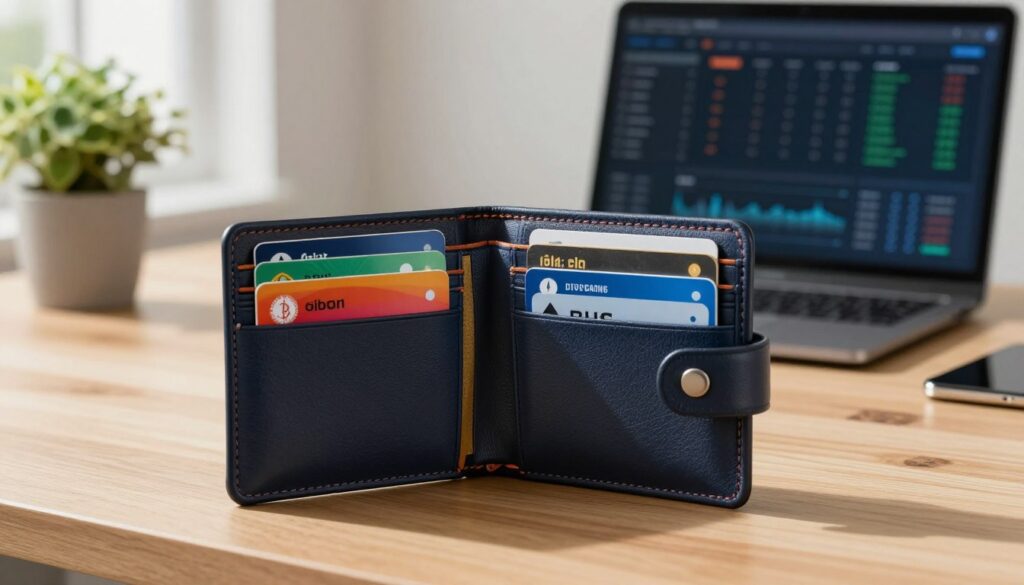
An exchange account is ideal for active trading and quick order execution. Pick a platform with strong security, clear fees, and two-factor authentication (2FA).
If you plan to hold funds, use a secure wallet. Hardware wallets keep private keys offline and reduce hacking risk.
- CFD option: IG offers a CFD trading account so you can speculate on price moves without owning a wallet or exchange account.
- Security: enable 2FA on any account to block unauthorized access.
- Research: check an exchange’s security record before depositing funds.
| Tool | Best Use | Security Notes |
|---|---|---|
| Exchange account | Active buying and selling | Use 2FA; review breach history |
| CFD trading account | Speculate without owning coins | No wallet needed; check provider oversight |
| Wallet (hardware) | Long-term storage | Keep seed phrase offline; store securely |
Balance a reliable exchange for trades with a secure wallet for storage. For ways to protect capital while saving, consider options like savings strategies.
Understanding the Role of Leverage and Risk
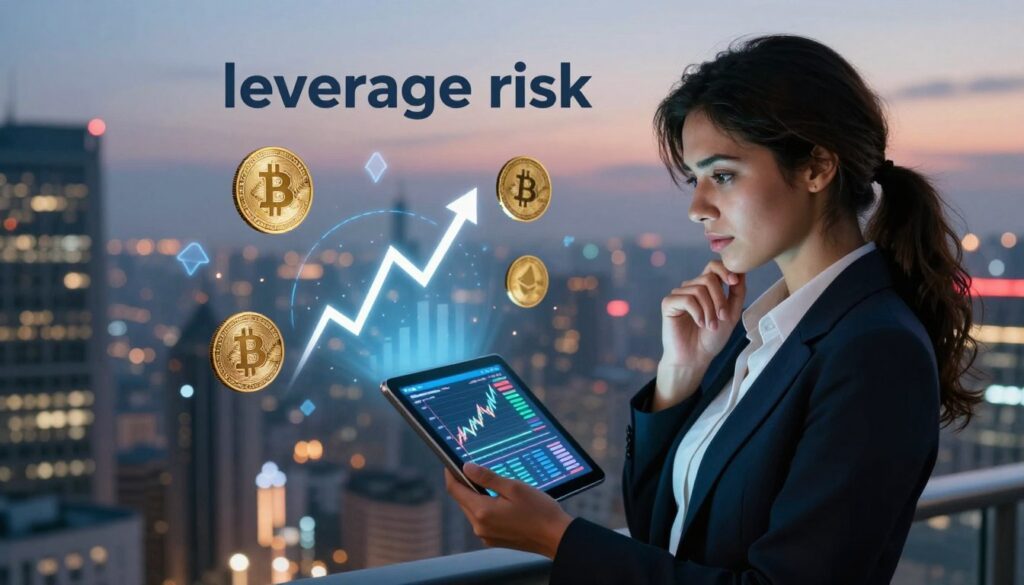
Leverage can magnify gains and losses quickly. Using margin lets traders open larger positions with less money. That power raises both the chance of profit and the speed of loss.
CFD accounts at IG require 50% margin, which means half the position value must be posted as collateral. During high market volatility, that setup can multiply both profits and losses fast.
Use tools that limit harm. A stop-loss order closes a position when the market moves against you. This helps cap a single trade’s loss and protects capital.
“Always confirm you can afford the risk before adding leverage; markets can move far and fast.”
- Leverage risk: you can lose your money rapidly if the market swings.
- Extreme volatility: losses can exceed your initial deposit with leveraged CFDs.
- Stop-loss: a mandatory risk control that prevents one bad trade from wiping out funds.
- Profit vs speed: leverage can boost profit potential but also speeds up how quickly loss occurs.
| Factor | What it Means | Action |
|---|---|---|
| Margin level | IG CFD 50% requirement | Keep sufficient collateral; expect margin calls |
| Volatility | Large price swings in short timeframes | Use smaller position sizes; tighten stop-losses |
| Potential outcome | Rapid profit or rapid loss | Assess if you can afford money at risk before trading |
Navigating Legal and Tax Considerations
Keeping neat logs of every transaction is a practical safeguard for traders and holders. Maintain clear records for each account and every trade. Accurate notes make audits far easier and reduce unexpected tax bills.

Tax authorities often treat digital assets as a taxable currency, so you should track buys, sells, and transfers. Many jurisdictions expect capital gains reported even if crypto stays in your trading account.
Follow a simple process: export reports from exchanges, keep wallet receipts, and timestamp each transfer. This habit speeds up filings and helps when an exchange requests verification.
- Keep all transaction receipts: trading fees, transfers, and deposits.
- Consult a tax professional: they can map rules to your state and federal returns.
- Organize accounts: separate trading and long-term holding histories for clarity.
“An organized account history makes compliance manageable and reduces stress at filing time.”
For practical tools that help with record-keeping and reporting, consider reviewing useful digital products that automate parts of the process.
Common Strategies for Market Participation
Picking a way into markets starts with a clear choice: will you hold assets for the long haul or trade them often for shorter returns? Each path needs a different routine, tools, and mindset.

Long Term Holding Approaches
Long-term holding (HODL) means ignoring daily price swings and focusing on potential future value. People who follow this path keep coins in a secure wallet or hardware storage.
That approach reduces trading fees and stress. It suits those who want steady returns and can tolerate volatility over months or years.
Short Term Trading Techniques
Day trading involves buying and selling within the same day to capture small profits from price swings. Traders use charts, volume signals, and tight stop-losses to manage risk.
Scalping aims for many tiny wins by executing thousands of trades in high-frequency sessions on fast exchanges. Arbitrage finds price gaps across exchanges and locks in profit with quick transfers.
Practice first with a demo account before risking real money. Always set stop-loss orders and limit position size to control loss and protect capital.
| Strategy | Typical Horizon | Key Tools | Risk Level |
|---|---|---|---|
| Long-term holding | Months–Years | Hardware wallet, cold storage | Moderate (market volatility) |
| Day trading | Hours–Days | Exchange account, charts, stop-loss | High (rapid price swings) |
| Scalping | Minutes–Hours | Low-latency exchange, order automation | Very high (execution risk) |
| Arbitrage | Minutes–Hours | Multiple exchange accounts, fast transfers | Low–Moderate (transfer & timing risk) |
“Successful traders balance ambition with discipline, and always guard capital first.”
Conclusion
Smart decisions come from simple rules: secure keys, limit exposure, and stick to a clear plan. Build steady learning habits and treat each step as practice rather than a quick profit scheme.
Whether you favor long-term investment or active crypto trading, prioritize security by using a reputable wallet and exchange account. Watch prices and regulatory news so you can act when value or risk shifts, and never put in more money than you can afford to lose.
Keep learning, keep discipline, and use trusted resources such as a start a blog to document lessons and track progress. Small, steady moves help people navigate a volatile market and protect capital over time.
FAQ
What is a cryptocurrency and how does it work?
How did digital money evolve into today’s market?
What role does decentralization play in blockchain networks?
What drives crypto prices up and down?
How does media coverage influence market moves?
What should I know about exchange security and hacks?
What’s the difference between investing and trading crypto?
How do I pick between exchanges and wallets?
What is leverage and how does it affect risk?
Are there legal or tax issues I should consider?
What are sensible long-term holding strategies?
What short-term trading techniques do people use?
How can I protect my money from losses and scams?
How do taxes apply when I trade frequently or use DeFi?
What are practical first steps for someone ready to get started?


