

Planning a getaway starts with clear, simple steps that protect your long-term finances.
Before you book flights or reserve rooms, set realistic goals. Research the total cost of your trip so surprises don’t land you on high-interest credit cards.
Many travelers find calm when they follow a structured plan. Allocate monthly amounts, track progress, and prioritize experiences that matter most.
This approach keeps your money working for comfort and joy, not for later stress. If you want practical tips and simple tactics, check this guide on how to save for a vacation without going into.
Key Takeaways
- Research total trip costs before committing to bookings.
- Set clear savings goals and track monthly progress.
- Prioritize spending on experiences that bring the most value.
- A structured plan reduces stress and avoids high-interest credit use.
- Small, steady contributions build funds for a relaxed getaway.
Establishing Your Vacation Savings Goal
Begin by tallying every expected expense so your trip target matches reality. A clear number clears confusion and guides your plan.

Defining Your Total Costs
List major items: airfare, lodging, food, transport, activities, and emergency funds. Research the destination for realistic price points.
Tip: Add a small buffer for surprises. That keeps your budget steady and lowers stress.
Breaking Down Monthly Targets
Turn the total into monthly steps. For example, a $3,000 goal becomes $500 per month over six months. That pace fits many household budgets and feels achievable.
| Target | Timeframe | Monthly Amount |
|---|---|---|
| $1,200 | 3 months | $400 |
| $3,000 | 6 months | $500 |
| $4,800 | 12 months | $400 |
- Defining total costs keeps the goal realistic.
- Treat your monthly contribution like a bill so you stay on track.
- Researching destination prices creates a precise budget.
How to Save for a Vacation Without Going Into Debt
Set a clear spending target so every deposit moves you closer to a stress-free getaway.
Create a simple plan that lists airfare, lodging, daily meals, transport, activities, and a small emergency buffer. This stops surprise charges that push you toward high-interest balances.
Consistent budgeting helps. Treat contributions like a monthly bill. Small, steady amounts reduce pressure on current finances and cut the chance of carrying debt.
“Avoiding debt keeps the trip joyful and your future secure.”
Use proven ways to boost your fund: trim optional spending, shift extra income into a dedicated account, and track progress weekly. These tips let you enjoy the trip now and keep balances low later.

| Action | Why it works | Quick goal |
|---|---|---|
| Set a total target | Keeps bookings realistic | $1,200–$4,800 |
| Monthly deposits | Prevents last-minute borrowing | $100–$500 |
| Track spending | Identifies leaks to cut | Review weekly |
For a practical roadmap and more detailed methods, see the best way to save money guide. These steps protect your finances and keep the journey fun.
Automating Your Path to Travel
Automating transfers removes guesswork and keeps your travel fund growing each month.
Use a dedicated savings account so your travel money stays separate from daily spending. This reduces temptation and keeps your plan on track.
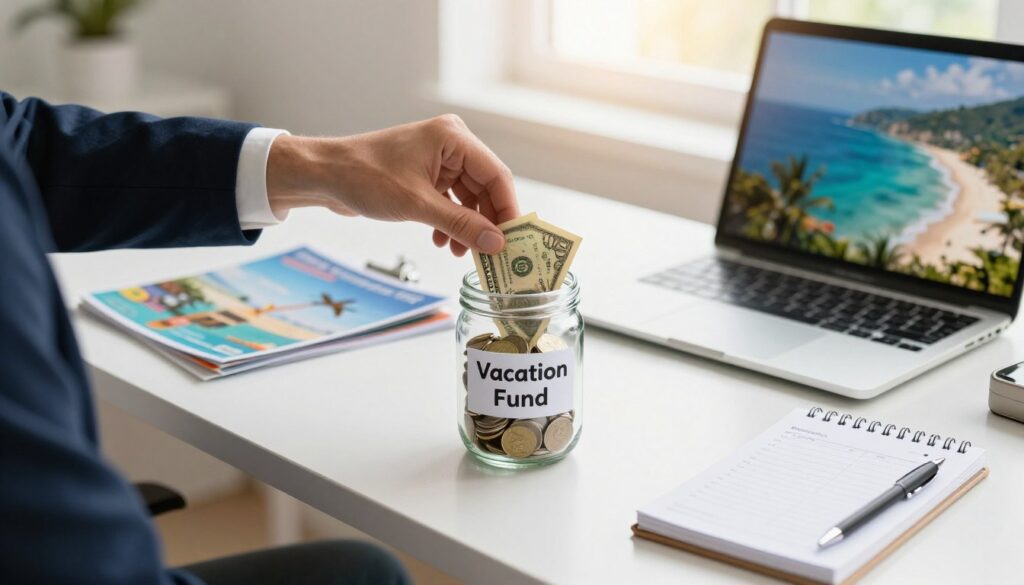
Utilizing Dedicated Savings Accounts
Choose an account that pays competitive interest and supports automatic deposits. PCB Bank’s Kasasa Saver+ offers 3.00% APY on balances up to $75,000, which can help your vacation fund grow faster.
Set recurring transfers from checking right after payday. That makes steady progress effortless and keeps your goal visible.
- Automating removes manual steps and builds consistency.
- A separate savings account protects funds from impulse spending.
- Interest earnings speed up growth, especially with higher APY accounts.
- Make sure automatic transfers match your monthly target for on-time progress.
| Feature | Benefit | Example |
|---|---|---|
| Dedicated account | Prevents accidental spending | Vacation fund stays untouched |
| Automatic transfers | Consistent contributions | Weekly or monthly deposits |
| High APY option | Earns extra interest | PCB Bank Kasasa Saver+ at 3.00% APY |
For practical steps on starting and keeping momentum, check this savings guide. It outlines simple moves to start saving and protect your account balance.
Reducing Daily Expenses to Boost Your Fund
A few simple swaps in daily spending can free up serious cash for a trip. Brew coffee at home and pack easy meals for work. These small changes keep more money in your account each week.
Review your monthly budget and cancel unused subscriptions. Redirect that cash straight into your travel account and watch the balance grow.

Choose cost-effective transportation options like public transit instead of renting a car. Even one week of cheaper transport choices can cut major travel expenses.
At your destination, consider local hotels or alternative lodging such as guesthouses or vacation rentals. Staying slightly outside tourist hotspots often helps you stay within the overall budget.
- Cook more meals at home rather than ordering out; it saves money and supports consistent budgeting.
- Track small spending leaks—daily treats add up and can cover hotel nights or activities.
- For more practical frugal tips and ideas, try this frugal travel tips guide.
Leveraging Rewards and Extra Income
Small changes in spending and a few extra hours freelancing can unlock valuable rewards. Use rewards and extra income to cut major trip costs and keep your money in good shape.

Maximizing Credit Card Points
Use a rewards card for routine bills and pay the balance in full each month. That way points offset airfare or hotel charges without incurring high interest or fees.
Pick cards with travel perks and no foreign transaction fees if you plan international travel. Track bonus categories and calendar offers to boost returns.
Monetizing Unused Items
Sell things you no longer use on eBay or Facebook Marketplace. Deposit that income into your travel fund and watch it grow fast.
- Freelance on Upwork or Fiverr for extra income that goes straight into savings.
- Use rewards for discounted hotels or free car rental upgrades to cut lodging and rental costs.
- Always avoid carrying a balance on a credit card so rewards aren’t erased by fees and interest.
“A few smart moves can turn spare hours and items into real travel value.”
Strategic Planning for Travel Costs
Set up fare trackers now and let alerts find the best time to book. Use Google Flights or Skyscanner to monitor airfare and hotel rates. This helps you book when trip costs fall and your vacation fund stretches further.
Research your destination for free activities and low-cost attractions. Plan visits in the shoulder season to lower rates on flights and lodging.
Make sure you track savings progress in a savings account and check your balance often. Watching the account motivates steady contributions and limits surprise fees or interest that raise total costs.

| Tool | Benefit | Quick action |
|---|---|---|
| Google Flights / Skyscanner | Find lowest airfare | Set alerts, compare dates |
| TrustedHousesitters | Cut lodging costs | Apply for sits at destination |
| Savings account tracking | Keeps fund visible | Review balance weekly |
Keep an eye on total spending, fees, and your cash buffer. Small checks now prevent big surprises later and make the trip more enjoyable. For more practical saving tips, see saving tips.
Conclusion
A clear end goal makes every monthly deposit meaningful and keeps stress low.
Set a simple budget, automate contributions into a dedicated fund, and track progress weekly. These steps protect your savings and keep spending aligned with priorities.
Use rewards programs and extra income to speed progress while avoiding high interest balances. Strategic planning and careful tracking keep the trip enjoyable rather than burdensome.
Consistency is key. Keep your goal visible and celebrate milestones. For targeted tips on renters and practical money moves, see money-saving tips for renters.
FAQ
What is a clear way to set a vacation savings goal?
How can I break that total into monthly targets?
FAQ
What is a clear way to set a vacation savings goal?
Start by listing major costs: airfare, hotel, transportation, meals, activities, and travel insurance. Use current prices from airlines like Delta or United and hotel sites such as Booking.com to get realistic estimates. Add a 10–15% buffer for taxes, fees, and unexpected expenses. That total becomes your target amount.
How can I break that total into monthly targets?
Divide your target by the number of months until departure. For example, a
FAQ
What is a clear way to set a vacation savings goal?
Start by listing major costs: airfare, hotel, transportation, meals, activities, and travel insurance. Use current prices from airlines like Delta or United and hotel sites such as Booking.com to get realistic estimates. Add a 10–15% buffer for taxes, fees, and unexpected expenses. That total becomes your target amount.
How can I break that total into monthly targets?
Divide your target by the number of months until departure. For example, a $1,200 trip with six months until travel equals $200 per month. Track progress in a spreadsheet or an app like Mint and adjust contributions if prices or dates change.
What steps help avoid using credit cards to pay for the trip?
Build a dedicated cash or savings account for the trip, fund it regularly, and only book when you have enough saved for key costs. Use a debit card or prepay options when possible. If using a credit card for rewards, pay the balance in full every month to avoid interest charges.
How can automating savings make planning easier?
Set up automatic transfers from checking to a dedicated savings account each payday. Many banks offer subaccounts or “buckets” you can name for travel. Automating prevents missed deposits and treats saving like a monthly bill.
Which type of account is best for a vacation fund?
Use a high-yield savings account from banks such as Ally or Marcus for better interest than a typical checking account. Keep funds liquid and separate from emergency savings to avoid accidental spending or transfers.
What small daily changes free up cash for travel?
Cut recurring subscriptions you rarely use, brew coffee at home instead of buying an expensive latte, and cook more meals rather than dining out. Redirect those saved dollars into your travel fund each month.
How can rewards programs help without encouraging overspending?
Use travel rewards cards like Chase Sapphire or American Express responsibly: earn points on regular purchases you’d make anyway, then redeem for flights or hotels. Avoid increasing spending just to hit bonus thresholds; focus on paying balances in full.
What are practical ways to earn extra income for the trip?
Sell unused items on eBay or Facebook Marketplace, take on gig work with Uber or DoorDash, or freelance through platforms like Upwork. Funnel earnings directly into your travel account to keep momentum.
How can I lower transportation and lodging costs?
Travel off-peak, use fare alerts from Google Flights, compare short-term rental sites like Airbnb and Vrbo, and consider package deals from Expedia. Booking midweek stays and flexible dates often cuts prices significantly.
What should I include in my trip budget to avoid surprises?
Budget for ground transport, baggage fees, resort fees, gratuities, local taxes, and daily incidentals. Carry a small contingency fund—5–10% of the trip cost—for emergencies or last-minute changes.
Is it better to save in cash or keep money in an account?
Keeping funds in a secure high-yield savings account earns interest and reduces theft risk. Holding some cash for immediate expenses can help, but avoid keeping large amounts at home.
How often should I review my travel savings plan?
Review monthly. Check balances, compare prices for major items like airfare, and adjust contributions if you find better deals or if your timeline shifts. Regular reviews keep you on track and reduce last-minute borrowing.
Can I use rewards points and cash together to pay for a trip?
Yes. Many airlines and hotel programs allow partial redemptions combined with cash. Use points for the most expensive items like airfare, and pay remaining costs from your savings to minimize out-of-pocket spending.
What’s the safest way to book to avoid cancellation losses?
Choose refundable or flexible rates when available, buy travel insurance that covers cancellations and interruptions, and check provider cancellation policies before booking. Flexible tickets or refundable hotel rates cost more but protect your savings.
How do I avoid fees that erode my travel fund?
Use fee-free bank accounts and avoid out-of-network ATM fees. When booking, watch for resort fees and service charges. Pay with cards that have no foreign transaction fees when traveling internationally.
,200 trip with six months until travel equals 0 per month. Track progress in a spreadsheet or an app like Mint and adjust contributions if prices or dates change.
What steps help avoid using credit cards to pay for the trip?
Build a dedicated cash or savings account for the trip, fund it regularly, and only book when you have enough saved for key costs. Use a debit card or prepay options when possible. If using a credit card for rewards, pay the balance in full every month to avoid interest charges.
How can automating savings make planning easier?
Set up automatic transfers from checking to a dedicated savings account each payday. Many banks offer subaccounts or “buckets” you can name for travel. Automating prevents missed deposits and treats saving like a monthly bill.
Which type of account is best for a vacation fund?
Use a high-yield savings account from banks such as Ally or Marcus for better interest than a typical checking account. Keep funds liquid and separate from emergency savings to avoid accidental spending or transfers.
What small daily changes free up cash for travel?
Cut recurring subscriptions you rarely use, brew coffee at home instead of buying an expensive latte, and cook more meals rather than dining out. Redirect those saved dollars into your travel fund each month.
How can rewards programs help without encouraging overspending?
Use travel rewards cards like Chase Sapphire or American Express responsibly: earn points on regular purchases you’d make anyway, then redeem for flights or hotels. Avoid increasing spending just to hit bonus thresholds; focus on paying balances in full.
What are practical ways to earn extra income for the trip?
Sell unused items on eBay or Facebook Marketplace, take on gig work with Uber or DoorDash, or freelance through platforms like Upwork. Funnel earnings directly into your travel account to keep momentum.
How can I lower transportation and lodging costs?
Travel off-peak, use fare alerts from Google Flights, compare short-term rental sites like Airbnb and Vrbo, and consider package deals from Expedia. Booking midweek stays and flexible dates often cuts prices significantly.
What should I include in my trip budget to avoid surprises?
Budget for ground transport, baggage fees, resort fees, gratuities, local taxes, and daily incidentals. Carry a small contingency fund—5–10% of the trip cost—for emergencies or last-minute changes.
Is it better to save in cash or keep money in an account?
Keeping funds in a secure high-yield savings account earns interest and reduces theft risk. Holding some cash for immediate expenses can help, but avoid keeping large amounts at home.
How often should I review my travel savings plan?
Review monthly. Check balances, compare prices for major items like airfare, and adjust contributions if you find better deals or if your timeline shifts. Regular reviews keep you on track and reduce last-minute borrowing.
Can I use rewards points and cash together to pay for a trip?
Yes. Many airlines and hotel programs allow partial redemptions combined with cash. Use points for the most expensive items like airfare, and pay remaining costs from your savings to minimize out-of-pocket spending.
What’s the safest way to book to avoid cancellation losses?
Choose refundable or flexible rates when available, buy travel insurance that covers cancellations and interruptions, and check provider cancellation policies before booking. Flexible tickets or refundable hotel rates cost more but protect your savings.
How do I avoid fees that erode my travel fund?
Use fee-free bank accounts and avoid out-of-network ATM fees. When booking, watch for resort fees and service charges. Pay with cards that have no foreign transaction fees when traveling internationally.
What steps help avoid using credit cards to pay for the trip?
How can automating savings make planning easier?
Which type of account is best for a vacation fund?
What small daily changes free up cash for travel?
How can rewards programs help without encouraging overspending?
What are practical ways to earn extra income for the trip?
How can I lower transportation and lodging costs?
What should I include in my trip budget to avoid surprises?
Is it better to save in cash or keep money in an account?
How often should I review my travel savings plan?
Can I use rewards points and cash together to pay for a trip?
What’s the safest way to book to avoid cancellation losses?
How do I avoid fees that erode my travel fund?


