

Ready to start smart and stay simple? This guide walks through proven steps to launch and scale a work from home business without a big budget or tech headaches.
You’ll get friendly, practical advice on low-cost ideas, quick validation, and clear first steps you can do this week. We map which options fit common skills—writing, bookkeeping, ecommerce, consulting, and light tech services.
We also cover how to set up a fast, reliable website, pick tool stacks that avoid lock-in, and land your first clients with simple pricing and outreach. The aim is to help you pick one path, build a lean offer, and start learning from real customers right away.
For more templates and a compact action plan, visit this starter page to jump straight into setup and templates.
Key Takeaways
- Choose one clear offer and test demand quickly.
- Use low-cost tools and keep your stack simple.
- Build a fast, professional website to boost trust.
- Price confidently and aim for early customers.
- Use content, social proof, and email to attract buyers.
- Prioritize templates and workflows to save time.
Best work from home business ideas to start today
Choose a focused offer and use simple systems to get paying customers fast.

Freelance writing and editing for niche industries
Niche expertise beats general pitching. Focus on one sector like healthcare or fintech. Offer packaged deliverables—articles, case studies, and style-guide edits—and showcase samples on a clean website portfolio.
Virtual assistant services for solopreneurs
Specialize in tasks such as podcast scheduling, inbox triage, or client onboarding. Productize with monthly retainers and clear turnaround times to make selling easier.
Online tutoring and cohort-based courses
Solve a sharp problem—SAT sections, Excel for analysts, or UX portfolio reviews. Run a pilot, record sessions, and refine a repeatable curriculum that scales.
Ecommerce micro-brands using print-on-demand
Target one audience, test a few designs, and drive traffic with short video and search-friendly descriptions. Print-on-demand keeps inventory risk low.
Affiliate content sites and product reviews
Publish honest comparisons and buying guides in a tight niche. Use clear calls to action and regular content updates to build referral income.
Social media management for local clients
Offer content calendars, short-form video, and review-response services. Start with three-tier packages and include monthly metrics reports.
No-code app website builders for small clients
Use templates to deliver fixed-scope app website builds in days and offer optional maintenance. This is fast to price and easy to repeat.
Remote bookkeeping and tax prep
Lead with credentials, offer cleanup packages, and use secure intake forms. Clear timelines for monthly closes build trust with clients.
Podcast production and editing services
Bundle editing, show notes, clips, and artwork. Create templates and a fast feedback loop so hosts get consistent episodes on schedule.
Consulting packages based on your past role
Turn recurring advice into standard offers: audit, roadmap, and implementation. Set boundaries and raise rates as demand grows.
For quick starter ideas and templates, see easy side hustles.
Setting up your online presence and tech stack for reliability
A polished domain, fast hosting, and a tight toolset turn a simple site into a dependable lead channel.
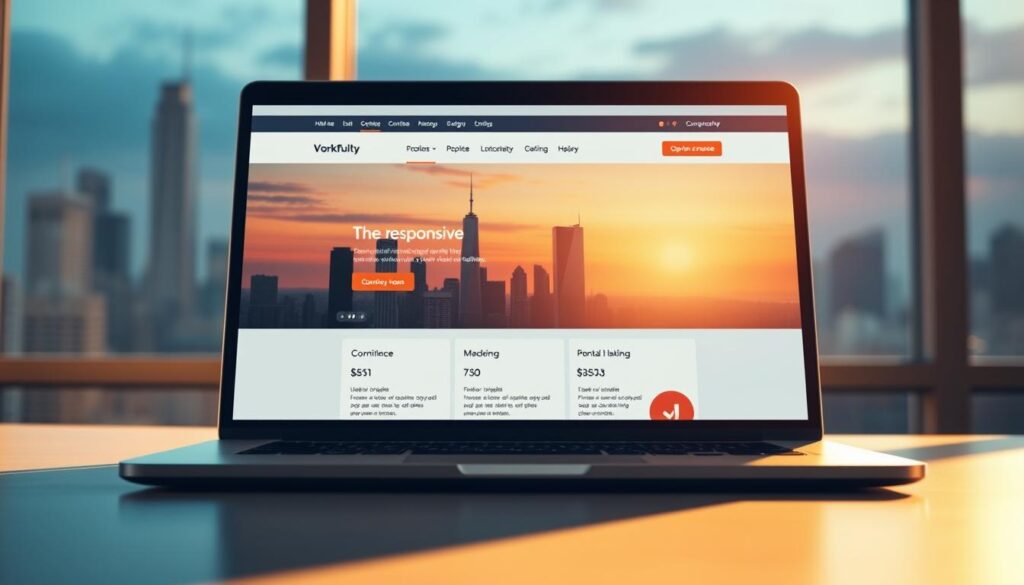
Choosing a domain and fast hosting
Pick a short, memorable domain. Use reputable hosting with SSL by default, daily backups, and one-click staging. This lets you deploy updates safely and roll back if needed.
Structuring your app website
Keep the homepage focused, add clear feature pages, and publish a simple pricing page with tiers and FAQs. Add a contact or demo request form and a lightweight privacy page to build trust.
Speed, monitoring, and essential tools
Use a CDN like CloudFront to deliver images and scripts fast across the US. Combine image compression, caching headers, and minified CSS/JS for better load times.
Set uptime checks and review access logs for any spike in request or recurring error patterns. Route forms via trusted providers and send notifications to email and Slack so leads don’t slip away.
- Payments: Stripe or Square
- Scheduling: Calendly
- Analytics: GA4 and Search Console
- CRM: HubSpot Starter or Pipedrive
Keep the stack lean, document key processes, and test on mobile first. For quick starter ideas see easy side hustles.
Marketing, monetization, and daily operations
Use targeted content and tidy operations to move prospects from searching to requesting a consult. Start with a tight content plan focused on buyer-intent queries like “best X for Y,” pricing pages, and clear comparisons.

Keyword-driven blog posts that attract ready-to-buy traffic
Publish helpful comparison posts and step-by-step guides. Aim for posts with screenshots, pros/cons, and a clear next step toward your offer.
Tip: Build a weekly cadence and optimize titles for intent. See a deeper guide on how to monetize a blog at how to make money with a.
High-converting email opt-ins and nurture sequences
Offer a matching lead magnet—checklists, templates, or starter kits—and place opt-ins above the fold and at article ends. Send a short, friendly sequence that ends with a consult or demo request.
Social proof, reviews, and simple pricing tiers
Show testimonials, short case studies, and review badges. Ask for a review right after a successful deliverable while the win feels fresh.
Keep pricing clear: two to three tiers plus a custom option. List inclusions, response times, and limits to prevent scope creep.
- Daily checklist: reply to requests, track leads, finish the top client task, and send one outreach message.
- Instrument forms and checkout so you spot drop-offs and diagnose a sudden error rate quickly.
- Maintain rhythm: one blog post, one email, and one short video per week; repurpose each post across channels.
- Track a few metrics: qualified leads, conversion rate, average order value, and churn; adjust what moves the needle.
For content-focused monetization tactics and case studies, check get rich blogging.
Conclusion
Start small: choose one focused offer, deliver value quickly, and measure what matters.
Be clear, and show your offer on a simple starter website templates that speaks to US customers.
Keep your tech stack lean, document essentials, and monitor uptime so you can fix issues fast.
Commit to one steady marketing motion — helpful content, a short email sequence, and visible social proof. Productize your services into clear tiers, set expectations, and iterate pricing as demand grows.
Review metrics weekly, pick one action, and ship it. Over time, clarity, reliability, and consistency will let you scale at your own pace.
FAQ
What are low-cost ideas to start a small business I can run remotely?
How do I validate demand quickly before investing in a full offering?
What should I include on a lean website for credibility?
Which tools are essential for payments, scheduling, and client tracking?
How can I keep my site fast and reliable for potential customers?
What do I monitor to catch issues before they hurt conversions?
How should I price services to avoid scope creep and remain competitive?
What marketing tactics attract ready-to-buy traffic on a budget?
How do I handle form submissions and prevent spam while staying responsive?
When should I add a CDN such as CloudFront to my setup?
What basic security and accessibility steps should I take right away?
How can I land my first client without a large portfolio?
What metrics should I track in the early weeks to know if the model works?
How do I scale services without losing quality or increasing complexity too fast?


